10 Reasons Bamboo Flooring Beats Hardwood in 2026
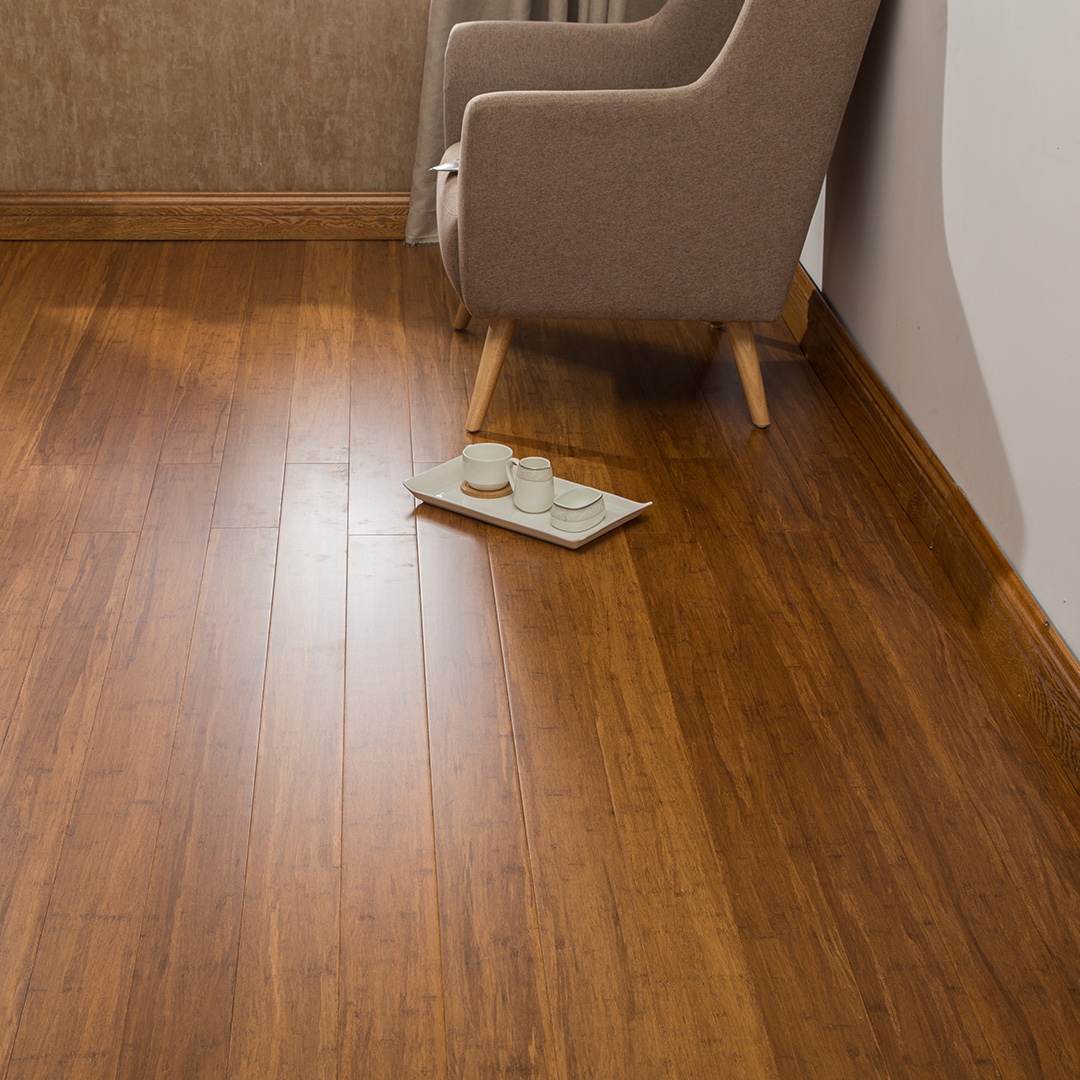
As a bamboo flooring factory technologist, I have witnessed significant advancements in flooring materials and trends. Bamboo flooring has emerged as a formidable competitor to traditional hardwood, particularly in recent years. By 2026, it is poised to further confirm its status as a superior choice for many homeowners and businesses. Here are ten compelling reasons why bamboo flooring is set to outshine hardwood in the coming years.
- Sustainability
One of the most significant advantages of bamboo flooring is its sustainability. Bamboo is a highly renewable resource, capable of reaching maturity in just three to five years. In contrast, hardwood trees take decades, sometimes over a century, to mature. This rapid growth makes bamboo an environmentally friendly option, allowing homeowners to choose flooring that doesn’t compromise the health of forests.
As consumers grow increasingly aware of environmental issues, the demand for sustainable flooring options will continue to rise. Bamboo's renewable nature places it at the forefront of sustainable building materials.
- Durability
Bamboo flooring, particularly strand woven bamboo, offers exceptional durability. With a Janka hardness rating often exceeding that of many hardwoods, strand woven bamboo is highly resistant to scratches and dents. In high-traffic areas—such as entryways, living rooms, and commercial spaces—this durability is invaluable.
While traditional hardwood floors can be prone to scratching and gouging, bamboo flooring can withstand the rigors of family life and busy environments, maintaining its beauty over time.
- Cost-Effectiveness
As pricing dynamics evolve, bamboo flooring typically remains more affordable than premium hardwood options. This cost-effectiveness extends to both the initial investment as well as long-term maintenance. Bamboo’s low maintenance requirements mean that homeowners can save money on cleaning products and repairs over the lifespan of the flooring.
Moreover, installation costs for bamboo can be lower compared to certain hardwoods, making it a smart financial choice for budget-conscious consumers.
- Aesthetic Versatility
Bamboo offers a wide range of styles, colors, and finishes, making it an adaptable choice for varying design preferences. Unlike some hardwoods, which may be limited to traditional shades, bamboo’s natural hues and the possibility for carbonization—creating richer, darker tones—allow for greater customization.
In a world where personal expression in home design is increasingly valued, bamboo flooring provides the versatility to match any interior decor, from contemporary to rustic.
- Ease of Maintenance
Bamboo flooring is relatively easy to maintain, requiring only regular sweeping and occasional damp mopping to keep it looking pristine. Unlike hardwood, which may require refinishing and special cleaning products, bamboo's hard surface is stain-resistant and easy to clean.
This ease of care appeals to busy families and individuals who prefer flooring that demands less time and effort while still appearing elegant.
- Health and Indoor Air Quality
In 2026, the focus on health and wellness within homes will continue to grow. Bamboo flooring is often produced with low-VOC (volatile organic compounds) finishes, which contributes to better indoor air quality. Many hardwood floors contain adhesives and finishes that emit higher levels of VOCs, which can negatively affect air quality.
Homeowners are increasingly prioritizing materials that contribute to a healthier living environment. The use of low-VOC bamboo floors offers peace of mind along with aesthetic benefits.
- Resistance to Moisture
Bamboo flooring's engineered varieties, particularly when treated, show a remarkable resistance to moisture and humidity changes compared to traditional hardwoods. This is especially advantageous in areas with fluctuating weather conditions or in regions prone to humidity.
In kitchens and bathrooms, where spills are common, bamboo’s resistance to water damage positions it as a practical choice, reducing the risk of warping and buckling that can occur with hardwood flooring.
- Antimicrobial Properties
Bamboo has natural antimicrobial properties, which means it can inhibit the growth of bacteria and mold. This characteristic contributes to a healthier home environment, making it an excellent choice for households with children, pets, or allergy sufferers.
As awareness of the importance of hygiene continues to rise, bamboo flooring's antimicrobial aspects will become increasingly significant for consumers seeking sanitary living spaces.
- Installation Flexibility
Bamboo flooring can be installed using a variety of methods, including glue-down, nail-down, or floating installations. This flexibility can save time and effort during the installation process, making it a convenient option for new constructions or renovations.
Many bamboo flooring products are designed for easy DIY installations, allowing homeowners to take on flooring projects without the need for professional help, thus saving on labor costs.
- A Competitive Edge in Consumer Trends
As flooring trends evolve, consumer preferences are shifting towards eco-friendliness, performance, and versatility. Bamboo flooring aligns perfectly with these demands, providing a sustainable, durable, and stylish alternative.
In contrast, traditional hardwood may struggle to compete against the increasing focus on sustainable practices and the growing demand for flooring solutions that are not only attractive but also environmentally responsible. In homes and offices across the globe, bamboo is becoming synonymous with modern design and sustainability.
Conclusion
With the growing recognition of its numerous benefits, bamboo flooring stands ready to take center stage in the flooring industry by 2026. From its sustainability and durability to its aesthetic versatility and ease of maintenance, bamboo presents compelling advantages over traditional hardwood.
As homeowners and businesses continue to seek solutions that fit their values and lifestyles, bamboo flooring is positioned to meet those needs. The future is bright for bamboo, and as consumers become increasingly discerning, it’s clear that bamboo flooring will likely lead the charge in the evolving landscape of flooring materials. Choosing bamboo flooring is not just a design decision; it is a step towards a more sustainable and responsible future.