What Retailers Need to Know About Sourcing Bamboo Flooring from China
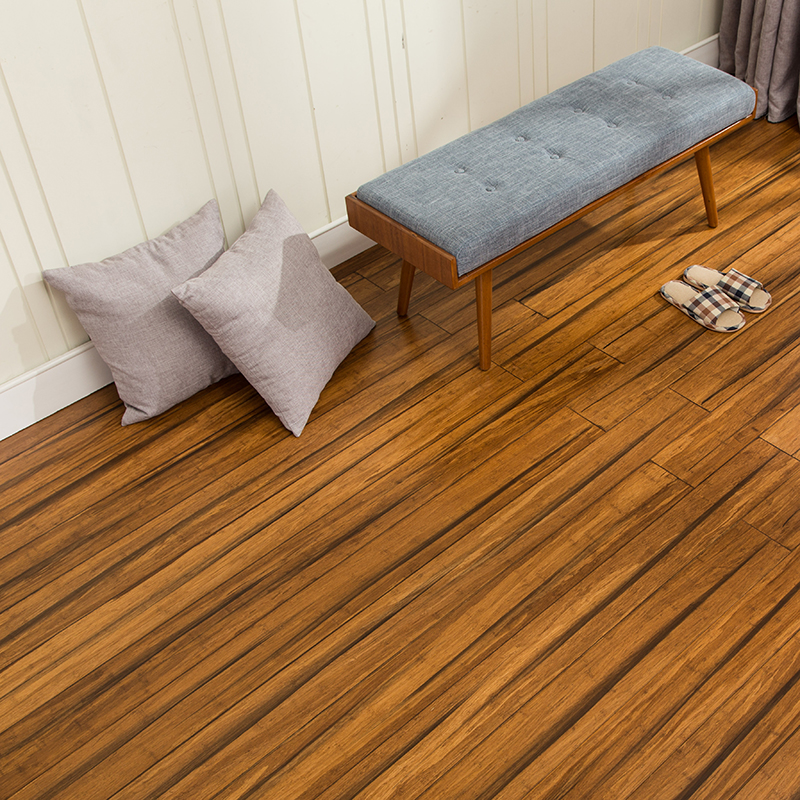
As the demand for sustainable and stylish flooring solutions increases, many retailers are turning to bamboo flooring as a competitive option. Sourced predominantly from China, bamboo flooring offers numerous benefits including rapid renewability, aesthetic appeal, and impressive durability. However, sourcing bamboo flooring from China requires careful consideration of various factors. This blog explores key aspects that retailers need to know when looking to import bamboo flooring.
Understanding the Bamboo Supply Chain
The bamboo supply chain comprises multiple stages, from cultivation and harvesting to processing and distribution. Understanding each step is important for retailers, as it impacts both product quality and cost.
Cultivation and Harvesting
Bamboo is a grass that matures in three to five years, making it an incredibly renewable resource. The best quality bamboo is typically harvested from specific regions in China known for their dense and high-quality species, such as Moso bamboo. Retailers should seek suppliers who adhere to sustainable harvesting practices, ensuring that bamboo forests remain healthy and capable of regenerating.
Processing
Once harvested, bamboo undergoes several processing stages, including drying, slicing, and treatment. These steps are critical in determining the durability, strength, and appearance of the final product. It is advisable for retailers to visit potential suppliers to assess their processing methods directly. Testing the bamboo's moisture content and ensuring adherence to quality control standards helps mitigate the risk of receiving subpar products.
Quality Standards and Certifications
Quality assurance is a major concern for retailers sourcing bamboo flooring. Knowing the standards and certifications that can help ensure product quality is essential.
Janka Hardness Rating
The Janka hardness test measures the resistance of wood to wear and denting, providing insight into the durability of bamboo flooring. Retailers should request the Janka ratings for different bamboo products to ascertain which options can withstand high-traffic uses. Strand woven bamboo typically scores higher than traditional bamboo or hardwood flooring, making it a preferred choice for many applications.
Certifications
Products that are certified by recognized organizations can provide additional assurance of quality and sustainability. Some key certifications retailers should look for include:
FSC Certification: The Forest Stewardship Council certification indicates that the bamboo has been sourced from sustainably managed forests. This is increasingly important to eco-conscious consumers.
ISO Certification: Quality management system standards, such as ISO 9001, can assure retailers that a supplier adheres to international quality assurance practices.
Greenguard Certification: This certification signifies that products meet stringent chemical emissions limits, contributing to indoor air quality. Retailers focusing on environmentally friendly options will benefit from sourcing certified products.
Product Variety and Customization
One of the significant advantages of sourcing bamboo flooring from China is the wide variety of options available. Retailers can find various types of bamboo flooring, from solid to engineered and strand woven options, giving them flexibility in meeting customer needs.
Types of Bamboo Flooring
Solid Bamboo Flooring: Made from solid strips of bamboo, this type offers a natural look. It can be sanded and refinished, extending its lifespan.
Engineered Bamboo Flooring: This product consists of a bamboo veneer attached to a plywood or MDF core. Engineered bamboo offers additional moisture resistance and stability, making it suitable for wider applications.
Strand Woven Bamboo: Known for its density and hardness, strand woven bamboo is ideal for high-traffic areas. Its manufacturing process enhances its strength, making it a durable choice.
Retailers should explore opportunities for customization, including finishes, stains, and plank sizes, allowing them to cater to more specific aesthetic preferences and market demands.
Cost Considerations
Sourcing bamboo flooring from China can offer significant cost advantages over traditional hardwoods. However, retailers must weigh the total costs involved beyond just the purchase price.
Price Factors
Several factors determine the overall cost of bamboo flooring:
Quality Levels: Higher-quality products with better finishes will generally carry a higher price tag. Retailers must balance cost with quality to ensure customer satisfaction.
Shipping and Logistics: Importing flooring from China entails shipping costs, tariffs, and potential customs fees. Working with reliable logistics providers can help mitigate delays and unexpected expenses.
Minimum Order Quantities: Many manufacturers require minimum order quantities, impacting initial investment costs. Retailers should evaluate whether they can meet these requirements and plan accordingly.
Building Relationships with Suppliers
Cultivating strong relationships with suppliers can yield long-term benefits for retailers. Building trust and communication can streamline the sourcing process and result in better deals and customized solutions.
Due Diligence
Conduct thorough research on potential suppliers. Verify their reputation through industry reviews and references. Attending trade shows in China can provide opportunities for personal engagement and firsthand evaluation of products.
Regular Communication
Open lines of communication are fundamental. Establish clear expectations regarding quality, timelines, and payment terms. Regular check-ins help maintain transparency and handle any issues that may arise promptly.
Challenges and Solutions
While sourcing from China presents numerous opportunities, retailers may encounter challenges. Understanding potential obstacles and how to address them is crucial.
Quality Control Issues
Inconsistent quality can be a challenge, particularly with mass-produced items. Implementing a strict quality control process, including pre-shipment inspections, can ensure that products meet specified standards before they reach customers.
Cultural Differences
Navigating cultural differences in business practices can pose challenges during negotiations or communications. Building relationships with suppliers through face-to-face meetings or using intermediaries familiar with both cultures can ease misunderstandings and strengthen partnerships.
Regulatory Compliance
Retailers must be aware of regulations governing imported flooring products in their home countries. Familiarizing themselves with local regulations regarding safety and emissions standards can help avoid compliance issues and potential fines.
Trends Driving Bamboo Flooring Demand
Understanding current market trends can help retailers tailor their offerings to meet customer expectations. Sustainability has become a key driver of new build and renovation decisions, with eco-friendly and sustainable flooring options increasingly sought after.
Aesthetic Preferences
Consumers are gravitating toward natural aesthetics in interior design. The versatility of bamboo flooring allows it to complement a variety of styles, from modern to rustic, making it an appealing option for diverse consumer preferences.
Performance Underfoot
As consumers prioritize practicality in their flooring choices, the durability and performance of bamboo flooring have caught their attention. The resilience of strand woven bamboo, in particular, aligns well with the high demand for flooring solutions that can withstand daily wear and tear.
Conclusion
Sourcing bamboo flooring from China presents a wealth of opportunities for retailers willing to navigate its unique landscape. By understanding the intricacies of the supply chain, focusing on quality assurance and certifications, and building strong relationships with suppliers, retailers can successfully offer high-quality products to meet growing consumer demand.
With bamboo's eco-friendly credentials and aesthetic appeal, retailers positioned well in this market will find themselves set for success as more consumers look to sustainable and stylish flooring solutions.