How Bamboo Flooring Maintains Color, Strength, and Stability Over Time
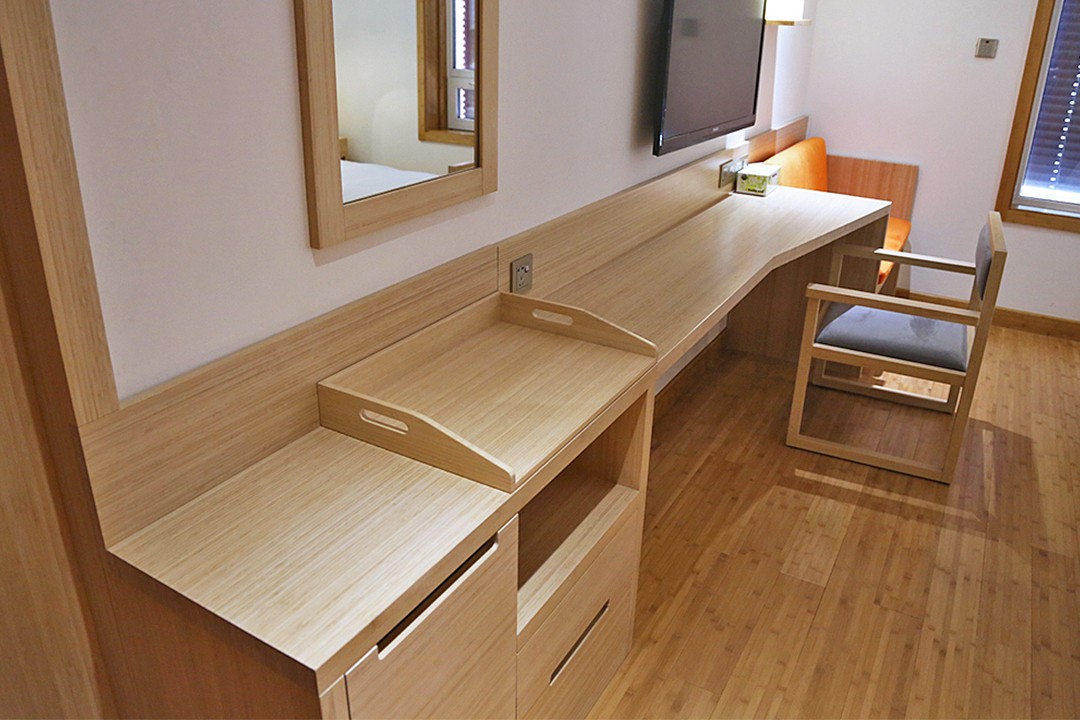
Bamboo flooring has long been valued for its balance of beauty, durability, and environmental responsibility. What often surprises homeowners and professionals alike is how well it holds its appearance and structure after years of use. Flooring endures constant foot traffic, changes in humidity, shifting temperatures, and the natural aging process of any organic material. Bamboo’s ability to maintain color, strength, and stability over time is a result of its biological makeup and the way it is processed, finished, and installed.
The qualities that give bamboo its longevity start well before it becomes a plank. From its natural fiber density to the way manufacturers refine and compress the material, bamboo flooring is engineered to remain reliable and attractive for decades. Understanding how these factors work together makes it easier to appreciate why bamboo remains a trusted option for both homes and commercial spaces.
Below is a detailed look at the internal and external influences that shape how bamboo flooring performs over time and what allows it to remain resilient under daily use.
Natural Fiber Structure and Its Role in Long‑Term Performance
Bamboo is a grass rather than a tree, yet its cellular structure features dense, interlocking fibers. These fibers are oriented lengthwise, giving bamboo impressive tensile strength. This natural density helps the material withstand pressure, impacts, and long‑term use without breaking down easily.
Unlike many hardwoods, which develop knots and variations in grain that can create weak points, bamboo’s uniform structure helps maintain stability. When the material is turned into flooring, this consistency becomes especially useful during compression and bonding, giving manufacturers a strong foundation for producing durable planks.
The type of bamboo used also plays a role. Moso bamboo, the most common species for flooring, reaches maturity in about five years and has fibers strong enough to endure significant tension and compression. This biological strength carries through the manufacturing process and influences the way the flooring behaves over time.
The Manufacturing Process: How Stability Is Built In
The way bamboo is processed determines much of its long‑term performance. Three main construction styles—horizontal, vertical, and strand‑woven—produce different characteristics, but each uses methods designed to enhance structural stability.
Horizontal and Vertical Construction
Horizontal and vertical bamboo planks are created by gluing strips together, either side‑by‑side or standing on edge. The bonding process forms stable boards with consistent density. While these options maintain strength and color well, they do not reach the hardness levels of strand‑woven products. For residential spaces with moderate traffic, however, they remain dependable for years.
Strand‑Woven Construction
Strand‑woven bamboo is engineered through an intensive process that compresses shredded bamboo fibers under high pressure. This technique creates one of the hardest flooring materials available. The density achieved during compression helps strand‑woven planks maintain their shape and resist wear, even under heavy daily use.
Commercial spaces benefit from this construction style because it withstands impacts, rolling furniture, repeated foot traffic, and long‑term pressure without deforming. The material’s internal strength contributes significantly to its stability over time.
Engineered Bamboo
Engineered bamboo flooring pairs a bamboo wear layer with a stabilized core, typically plywood or fiberboard. The layered structure helps reduce expansion and contraction caused by seasonal humidity changes. Spaces built on concrete slabs or in regions with wide climate swings often rely on engineered formats for consistent performance.
How Bamboo Maintains Its Color Over Time
Color stability is a major reason many homeowners choose bamboo. Whether natural, carbonized, or stained, bamboo can retain its appearance for years when properly finished and maintained.
Natural Bamboo Aging
Natural bamboo starts with light, blonde tones. As it ages, it may deepen slightly due to exposure to ambient light, but this process is typically subtle and uniform. High‑quality UV‑resistant finishes reduce discoloration, limiting fading or darkening that often affects hardwoods.
Carbonized Bamboo
Carbonized bamboo goes through heat treatment that darkens the material internally. Because the color runs through the plank rather than sitting on the surface, it ages more consistently. While carbonized bamboo may experience some gradual mellowing, it rarely shows significant fading.
Stained and Finished Bamboo
Modern stains penetrate the strand‑woven material deeply, helping color remain stable even when surfaces experience minor wear. Protective finishes—often aluminum oxide or ceramic‑enhanced coatings—add further resistance to fading, scratching, and moisture.
Light exposure affects all natural materials, but bamboo flooring with high‑quality finishes resists uneven aging more effectively than many hardwoods. Rooms with large windows or skylights may require strategic use of UV‑filtering shades or protective coatings on glass to help maintain consistent color over decades.
Strength Retention Under Regular Use
Strength refers not only to hardness but also to resistance against dents, scratches, and impact. Bamboo’s ability to maintain strength over time depends on both construction and finishing.
Hardness and Wear Resistance
Strand‑woven bamboo ranks among the toughest flooring materials. In busy homes, this density prevents many of the dents associated with dropped objects or heavy furniture. In commercial spaces, strand‑woven flooring stands up to rolling office chairs, foot traffic, and daily cleaning cycles without significant deterioration.
Horizontal and vertical bamboo perform well in quieter environments, particularly when maintained properly. While they do not match strand‑woven hardness levels, their natural fiber orientation still provides strength superior to many softwoods.
Protective Finishes and Surface Durability
Finish quality plays a substantial role in long‑term strength. Aluminum oxide finishes are widely used because they create a clear, hard surface layer that resists abrasion. These finishes minimize scratches and preserve the underlying bamboo structure.
Regular sweeping prevents dust and grit from acting as abrasive particles. Once this basic maintenance becomes routine, bamboo flooring retains its strength and smoothness with minimal effort.
Stability and Dimensional Performance
Stability refers to how well a flooring material resists movement caused by humidity and temperature changes. All organic materials react to moisture, but bamboo is naturally more stable than many hardwoods.
Moisture Response
Bamboo’s uniform fiber structure helps limit expansion and contraction. However, the environment still plays a role. Engineered bamboo is especially stable, making it an excellent option for:
• basements
• commercial buildings with concrete subfloors
• homes in humid climates
• spaces with radiant heat systems
The layered construction minimizes the risk of warping, cupping, or gapping.
Acclimation
Correct acclimation before installation greatly influences stability over time. Allowing the planks to adjust to room temperature and humidity ensures that movement after installation remains minimal. Professional installers typically follow manufacturer guidelines for acclimation to ensure reliable performance.
Installation Method and Stability
Nail‑down, glue‑down, and floating installations all influence long‑term stability. Glue‑down applications often provide the greatest stability for commercial settings, while floating floors offer flexibility and easier long‑term maintenance. A well‑installed bamboo floor is far less likely to shift or show signs of movement in the years following installation.
How Bamboo Handles Daily Wear and Aging
Any flooring material changes slightly with time, but bamboo’s aging process is typically smooth and predictable. With appropriate maintenance, the surface retains its attractiveness even after extended use.
Resistance to Everyday Wear
Strand‑woven bamboo holds up remarkably well in kitchens, hallways, entryways, and office spaces. Its hardness helps it withstand repeated stress without losing structural integrity.
Horizontal and vertical styles show their age more gradually, often gaining a soft patina that many homeowners find appealing.
Ability to Be Refinished
Some bamboo flooring—particularly solid and certain engineered options—can be refinished depending on wear‑layer thickness. Refinishing can restore color and smooth out surface scratches, allowing many floors to last significantly longer than expected.
Long‑Term Yield and Lifespan
Well‑maintained bamboo flooring often lasts as long as traditional hardwood. Regular cleaning, appropriate protective pads under furniture, and mindful moisture management preserve its structural strength.
Environmental Factors That Support Long‑Term Performance
Bamboo’s environmental advantages also contribute to its lasting performance. Because it grows rapidly and absorbs large amounts of carbon during its growth cycle, it begins its lifespan with strong ecological credentials.
The material’s natural resistance to pests and its ability to thrive without heavy chemical treatment help create flooring planks with cleaner composition. Products made with low‑VOC adhesives and finishes maintain both air quality and long‑term structural stability.
These qualities allow bamboo flooring to remain reliable and attractive even when subjected to demanding environments.
Why Bamboo Remains a Reliable Flooring Choice Over Time
Bamboo flooring maintains color, strength, and stability through a combination of natural properties and refined engineering. Its dense fiber structure, efficient manufacturing methods, and protective finishes all work together to support long‑term performance. Whether installed in a busy home or a high‑traffic commercial setting, bamboo flooring is built to withstand years of use without losing its appeal.
With proper care, the material retains its original charm and structural integrity, offering a warm, dependable surface that endures shifts in climate, daily wear, and changing styles. Its predictable aging and balanced performance allow it to serve as a lasting foundation for interior spaces, making it a flooring choice that continues to earn trust and appreciation.