Living with Bamboo: Maintenance Tips for a Long-Lasting Floor
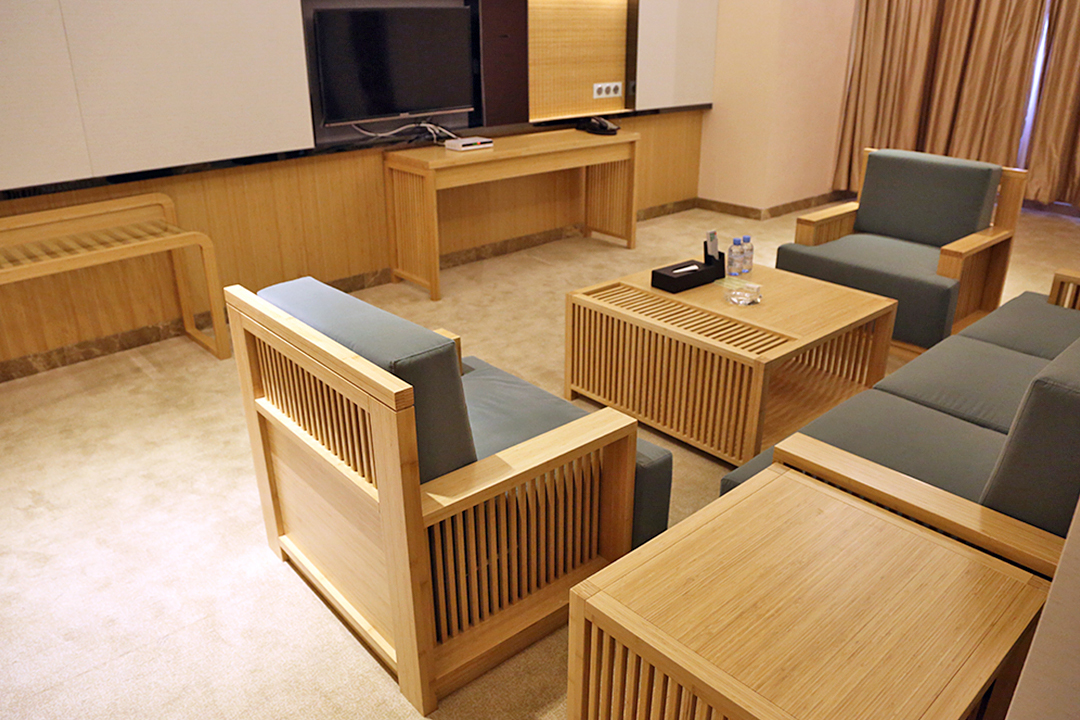
Working in a bamboo flooring factory has shaped the way I look at floors in general. When you see bamboo from raw stalk to finished plank, you learn what helps it last, what damages it, and what keeps it looking steady under daily pressure. A bamboo floor behaves differently from oak, maple, or vinyl. It has its own strengths, its own sensitivities, and its own way of aging. Many homeowners choose bamboo for its clean look, stability, and sustainable nature, but long service life depends on the care you give it. The maintenance isn’t complicated, but consistency matters.
Below are practical, experience‑based tips for keeping bamboo floors durable and attractive. Whether your floor is natural, carbonized, strand‑woven, or engineered, the same core habits help preserve its structure and finish.
Understanding Bamboo as a Material
Before getting into maintenance, it helps to understand what bamboo flooring actually is. Although bamboo behaves like hardwood, it isn’t wood in the traditional sense. It’s a grass with long, fibrous strands that create strength when processed correctly. In factory production, we cut the stalks, boil them to remove sugars, dry them, and then press them under high pressure with adhesives.
The result can take several forms:
Vertical or horizontal construction, which keeps the visible bamboo grain
Strand‑woven construction, created by compressing shredded fibers for increased hardness
Natural or carbonized coloring, depending on heat treatment
Each type responds slightly differently to daily stress. Strand‑woven planks, for example, resist dents more effectively, while traditional vertical planks show their grain more clearly. But no matter the type, bamboo reacts to humidity, abrasion, and sunlight in similar ways. Good care preserves stability, reduces swelling, and maintains its finish.
Keeping Moisture Under Control
Moisture control is one of the most important parts of bamboo maintenance. The fibers can swell with excess humidity or shrink when air becomes too dry. Both reactions can lead to gaps, cupping, or subtle movement you might not notice until furniture starts wobbling.
Here’s what helps:
Keep indoor humidity steady, ideally between 40% and 60%.
Use a dehumidifier in damp seasons or climates.
Run a humidifier if you live in a very dry region, especially in winter.
Clean spills quickly instead of letting water sit.
Avoid wet mopping. A lightly damp cloth or microfiber mop works best.
In manufacturing, we see how even small changes in moisture affect the planks. During the final quality check, boards that absorbed too much humidity during storage behave very differently from those kept in stable conditions. Homes are no different. A stable environment makes a noticeable difference.
Protecting the Finish
The finish is the floor’s first defense against wear. Bamboo is strong, but its protective coating handles the day‑to‑day scuffs, dust, and friction from foot traffic.
A few simple habits go a long way:
Place mats at entryways to catch dirt and grit.
Use felt pads under furniture legs.
Lift furniture instead of dragging it.
Keep pet nails trimmed.
Use chair mats under rolling office chairs.
Dust and grit are more abrasive than most people expect. On the factory floor, we see how sanding belts wear down after repeated contact with fine particles. That same principle applies in a home. A small amount of grit under shoes can act like sandpaper over time, dulling the finish.
Gentle Cleaning for Long‑Term Results
Cleaning bamboo flooring isn’t complicated. What matters most is avoiding harsh tools and strong chemicals. Many cleaners designed for hardwood or bamboo will work well as long as they’re pH‑balanced and free from wax or oil additives that build up on the surface.
Reliable routine:
Dry sweep or vacuum with a hardwood‑safe attachment.
Use a microfiber mop for regular cleaning.
Apply a wood‑floor cleaner sparingly.
Avoid steam mops and abrasive scrubbers.
Steam adds heat and water at the same time, which can weaken the finish and cause swelling. In our factory tests, finish samples exposed to steam show cloudy patches, peeling, or softening compared to those cleaned with mild solutions and microfiber tools.
Preventing Scratches and Dents
Bamboo is durable, especially strand‑woven types, but no hard surface is completely immune to dents or scratches. Preventative habits keep floors looking smoother for much longer.
Helpful strategies:
Place rugs in high‑traffic areas.
Rearrange furniture occasionally to distribute wear.
Use wider pads or coasters under heavy furniture.
Choose soft‑soled indoor footwear instead of shoes with hard treads.
If you have pets, keep their activity zones protected with runners.
In our impact tests, even small changes in how weight is distributed can make a big difference. A narrow furniture leg concentrates pressure like a point load, while a padded base spreads stress across a wider area.
Sunlight Care and Color Stability
Bamboo, like all natural materials, changes color when exposed to sunlight. The shift can be subtle—slight darkening or lightening depending on the finish and construction. You can minimize uneven color changes by controlling exposure.
Practical steps:
Use blinds or curtains during strong afternoon light.
Rearrange rugs occasionally so the color ages evenly.
Choose UV‑resistant finishes when available.
This is one area where homeowners often don’t notice aging until they move a rug after several years. The difference becomes more apparent when the covered area reveals a more original tone than the surrounding floor.
Seasonal Behavior and Expectation Setting
Bamboo floors adjust slightly with the seasons. You might see tiny gaps during dry winter months that close when humidity rises. This movement is normal and doesn’t indicate damage. Many of the boards we produce go through climate‑controlled tests where we replicate seasonal shifts. As long as the environment isn’t extreme, bamboo remains stable.
If you notice substantial changes—wide gaps, significant cupping, or loose boards—it may signal a ventilation or moisture issue in the room rather than a problem with the floor itself.
Repair and Refresh Options
Minor scratches or dull spots can usually be repaired without replacing planks. The proper method depends on the finish type.
For surface finishes, light buffing or touch‑up kits often work for small marks. For deeper wear, sanding and refinishing may be possible, especially with thicker, high‑quality planks. Engineered bamboo with a thin top layer has more limited refinishing options, so it’s worth checking your flooring specifications.
From the manufacturing perspective, the thickness of the wear layer and the type of finish determine how easily a floor can be renewed. Many premium floors come with thicker veneers to support future refinishing.
What Happens Behind the Scenes in Manufacturing
Most people don’t see the conditions bamboo goes through before it reaches their home. Having worked behind the scenes, I know that the care taken during production directly affects longevity.
Some key details:
Moisture content is carefully controlled before pressing and after machining.
Adhesives and finishes must meet strict emission standards.
Every batch goes through hardness, stability, and abrasion testing.
Storage conditions before shipping help prevent early swelling.
Once the flooring leaves the facility, the responsibility shifts to the installer and homeowner. Even perfectly manufactured boards can suffer if placed in unstable conditions. Good maintenance simply continues what the production process began.
Installation Choices That Affect Longevity
Maintenance starts even before you lay the floor. Proper installation has a major impact on how long bamboo lasts. While this topic deserves its own article, a few points matter for long‑term performance:
Give planks enough time to acclimate to the home’s environment.
Use underlayment that suits your subfloor type.
Leave proper expansion gaps around the perimeter.
Ensure the subfloor is flat and dry.
If the basics are handled well, the floor has a solid foundation for a long service life.
Daily Habits That Make the Biggest Difference
Most long‑lasting floors owe their condition to consistent, simple habits rather than complicated treatments. The following everyday routines help bamboo maintain both its structure and its appearance:
Wipe spills as soon as they happen.
Avoid dragging anything heavy.
Sweep lightly every few days.
Keep mats clean so they don’t hold grit.
Check furniture pads from time to time in case they wear down.
Place breathable rugs rather than rubber‑backed mats.
Rubber‑backed rugs can trap moisture and affect the finish. In the factory, we can often identify finish patterns caused by mats that didn’t allow proper airflow.
Long‑Term Expectations
A well‑maintained bamboo floor can last many years and age gracefully. Unlike synthetic flooring, bamboo develops a lived‑in look that reflects natural materials rather than artificial wear. Slight color variations, softened grain patterns, and subtle sheen changes aren’t flaws—they’re part of the material’s character.
Homeowners who expect zero change often react differently than those who appreciate how natural materials settle. Understanding its behavior helps you enjoy the floor for what it is: strong, stable, and responsive to its environment.
Final Thoughts
Living with bamboo flooring is straightforward when you respect its nature. It doesn’t demand complicated care, only steady routines. Control moisture, protect the finish, clean gently, and manage sunlight. These simple habits keep the floor looking refined and help preserve its structural integrity.
Working closely with bamboo every day has shown me how resilient it can be when treated well. With the right care, a bamboo floor maintains its comfort, beauty, and durability for many years, becoming a solid part of your home’s atmosphere.