계획
Rookiss
- 정수의 원리
얌얌코딩
- 변수, cout, debug 복습
혼자 공부하는 C언어
- 다양한 파일 입출력 함수
정수란
- 정수는 소수점이 없는 수로, 양수, 음수, 0을 포함
- 컴퓨터는 정수를 2진수(Binary)로 변환하여 저장하고 처리
- ex) 10진수 5 → 2진수 00000101 (8비트 기준)
정수의 표현 방식
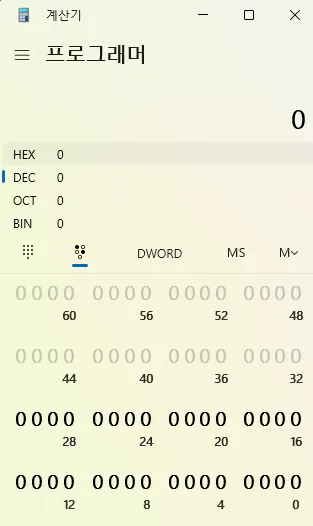
- 부호화 크기 방식
- MSB(가장 왼쪽 비트)를 부호 비트로 사용
0: 양수,1: 음수
- 나머지 비트는 크기 정보
- +0과 -0이 중복 표현됨 → 비효율적, 실사용 거의 없음
- MSB(가장 왼쪽 비트)를 부호 비트로 사용
- 1의 보수
- 모든 비트를 반전시켜 음수 표현
- 예:
5→00000101,5→11111010
- 예:
- 여전히
+0,0이 존재함 → 사용 잘 안 함
- 모든 비트를 반전시켜 음수 표현
- 2의 보수
- 현재 컴퓨터에서 표준으로 사용하는 음수 표현 방식
- 방법:
- 숫자의 이진수를 반전 (1의 보수)
- 거기에
+1을 더함
- 예:
5=00000101반전 →11111010+1 →11111011→5 - 장점:
+0,0이 하나로 통합- 덧셈/뺄셈 연산 회로를 하나로 통합 가능 → 효율성 ↑
데이터 타입과 저장 범위
signed: 부호 있음 → 음수 + 양수unsigned: 양수만 → 더 넓은 양의 값 표현 가능- 타입 변환 시 손실 발생 가능 → 주의 필요
-
예:
int→short→ 상위 비트 손실타입 크기(Byte) Signed 범위 Unsigned 범위 char 1 -128 ~ 127 0 ~ 255 short 2 -32,768 ~ 32,767 0 ~ 65,535 int 4 -2,147,483,648 ~ 2,147,483,647 0 ~ 4,294,967,295 long long 8 -9경 ~ 9경 (±9,223,372조) 0 ~ 18,446경
-
진법과 변환
- 2진수 16진수는 4비트 단위로 나뉘어져 있어 매우 친화적
-
2진수 4자리 = 16진수 1자리
진법 설명 코드 표현 2진수 (BIN) 컴퓨터 내부 기본 표현 0b110010진수 (DEC) 사람이 일상 사용하는 표현 기본 숫자 16진수 (HEX) 디버깅/주소 표현에 유용 0xF8진수 (OCT) 예전 시스템에서 사용 거의 사용 안 함
-
정수 연산
- 덧셈
A B A+B Carry 0 0 0 0 1 0 1 0 1 1 0 1 (올림 발생) - 예:
5 + 35:000001013:00000011- 결과:
00001000→8
- 예:
- 뺄셈
- 뺄셈은 2의 보수 덧셈으로 처리
- 예:
5 - 3=5 + (-3)3의 2의 보수:111111015=00000101- 결과 =
00000010→2
- 오버플로우
- 표현 가능한 최대값을 초과
- 예:
2147483647 + 1→2147483648
- 예:
- 표현 가능한 최대값을 초과
- 언더플로우
- 표현 가능한 최소값보다 작음
- 예:
2147483648 - 1→2147483647
- 예:
- 표현 가능한 최소값보다 작음
메모리에 저장되는 방식
- 리틀 엔디안
- 하위 바이트(LSB)부터 메모리에 저장
- 예:
0x12345678→ 메모리:78 56 34 12 - 인텔 아키텍처에서 기본
- 빅 엔디안
- 상위 바이트(MSB)부터 저장
- 네트워크 통신 프로토콜에서 많이 사용
CODE
#include <iostream>
using namespace std;

// 정수의 원리
// 비트  0,1 데이터의 최소 단위
// 바이트
// 1 바이트 -> 8bit
// 컴퓨터는 전기 신호로 숫자를 만들어줌
// 최상위 비트는 -를 담당함
// 1바이트의 가장 큰 값을 01111111 : 127
// 11111111 = 1

// 복습
int hp;
// 데이터 범위
short mp;

// 진법
// 0,1,2,3,4,5,6,7,8,9 -> 10 (1과 0으로 표현) 조합하면서 무한대 숫자를 만들 수 있음\
// 0,1,2,3,4,5,6,7,8,9,A,B,C,D,E,F 16 진법
// why? 16 진법
// 2진법과 궁합이 잘맞음
//

int main()
{
	hp = 0xFF/*306189112*/;

	mp = /*(short)*/hp;	// 값을 꺼내옴 // 다른 숫자가 나옴 범위 밖의 숫자가 날아감
					// 형변환이 필요함
	cout << hp;

	return 0;
}
문제 1
- 1주 동안 운동 횟수를 입력 받고
- 칭찬 메시지 출력
입력 예시
5출력 예시
멋지군요!! 칭찬합니다풀이
#include <iostream>
using namespace std;

int main()
{

	int a;
	cin >> a;

	if (a)
	{
		cout << "멋지군요!! 칭찬합니다" << endl;
	}

	return 0;
}
문제 2
- 숫자 하나를 입력 받음
- 입력 받은 숫자를 그대로 출력
- 뒤에 입력하셨군요 라는 글씨 출력
입력 예시
3출력 예시
3 입력하셨군요풀이
#include <iostream>
using namespace std;

int main()
{

	int a;
	cin >> a;

	cout << a << " 입력하셨군요" << endl;

	return 0;
}
문제 3
- 숫자를 하나 입력 받음
- 숫자를 세번 출력
- cin과 cout만 이용
입력 예시
3출력 예시
3 3 3풀이
#include <iostream>
using namespace std;

int main()
{

	int a;
	cin >> a;

	cout << a << " " << a << " " << a << endl;

	return 0;
}
문제 4
- 숫자 3개를 변수 a,b,c이 입력 받음
- a 3번 출력, b 3번 출력, c 3번 출력
입력 예시
3 5 9출력 예시
333
555
999
풀이
#include <iostream>
using namespace std;

int main()
{

	int a, b, c;
	cin >> a >> b >> c;

	cout << a << "" << a << "" << a << endl;
	cout << b << "" << b << "" << b << endl;
	cout << c << "" << c << "" << c << endl;

	return 0;
}
문제 5
- 숫자 2개 입력 받음
- 앞 숫자 - 뒷 숫자의 차를 구해서 출력
입력 예시
30 10출력 예시
두 숫자의 차는 20 입니다.풀이
#include <iostream>
using namespace std;

int main()
{

	int a, b;
	cin >> a >> b;

	cout << "두 숫자의 차는 " << a - b << " 입니다." << endl;

	return 0;
}
문제 6
- 숫자 두개 입력 받고 덧셈, 곱셈, 나눗셈 출력
입력 예시
5 2출력 예시
5 + 2 = 7
5 * 2 = 10
5 / 2 = 2
풀이
#include <iostream>
using namespace std;

int main()
{

	int a, b;
	cin >> a >> b;

	cout << a << "+" << b << "=" <<a + b << endl;
	cout << a << "*" << b << "=" <<a * b << endl;
	cout << a << "/" << b << "=" <<a / b << endl;

	return 0;
}
문제 7
- 변수 a,b에 숫자를 입력 받음
- 변수 a가 b보다 크면 a가 b보다 크다
- 그렇지 않으면 b가 a보다 같거나 크다를 출력
입력 예시
4 3출력 예시
a가 b보다 크다풀이
#include <iostream>
using namespace std;

int main()
{

	int a, b;
	cin >> a >> b;

	if (a > b)
	{
		cout << "a가 b보다 크다" << endl;
	}
	else
	{
		cout << "b가 a보다 같거나 크다" << endl;

	}

	return 0;
}
문제 8
- 숫자 2개를 입력
- 둘 중 큰 수를 4번 출력
입력 예시
3 5출력 예시
5555풀이
#include <iostream>
using namespace std;

int main()
{

	int a, b;
	cin >> a >> b;

	if (a > b)
	{
		cout << a << a << a << a << endl;
	}
	else if(b > a)
	{
		cout << b << b << b << b << endl;

	}
	else
	{

	}

	return 0;
}
문제 9
- 숫자 1개를 변수 a에 입력 받음
- 5를 입력함
- a++을 수행하면 6이 됨
입력 예시
5출력 예시
5를 입력함
a++을 수행하면 6이 됩니다
풀이
#include <iostream>
using namespace std;

int main()
{

	int a;
	cin >> a;

	cout << a << " 를 입력함" << endl;
	a++;
	cout << "a++을 수행하면 " << a << "이 됩니다" << endl;

	return 0;
}
문제 10
- 숫자 1개를 변수 input에 입력
- 숫자가 3보다 크면 1을 더하고 출력
- 그렇지 않으면 1을 빼고 출력
입력 예시
5출력 예시
6풀이
#include <iostream>
using namespace std;

int main()
{

	int input;
	cin >> input;

	if (input > 3)
	{
		input++;
		cout << input << endl;
	}
	else if (input <= 3)
	{
		input--;
		cout << input << endl;
	}

	return 0;
}
문제 11
- 숫자 1개를 변수 num에 입력
- 숫자가 양수라면
###
###
###- 숫자가 음수라면
$$$
$$$
$$$- 숫자가 0이면 출력하지 않음
입력 예시
3출력 예시
###
###
###
풀이
#include <iostream>
using namespace std;

int main()
{

	int num;
	cin >> num;

	if (num > 0)
	{
		cout << "###" << endl;
		cout << "###" << endl;
		cout << "###" << endl;
	}
	else if (num < 0)
	{
		cout << "$$$" << endl;
		cout << "$$$" << endl;
		cout << "$$$" << endl;
	}
	else
	{

	}

	return 0;
}
문제 12
- 숫자 3개 입력
- 세 수의 합이 세 수의 곱보다 같거나 행운의 수 출력
- 아니면 소소한 수
입력 예시
1 2 3출력 예시
행운의 수풀이
#include <iostream>
using namespace std;

int main()
{

	int a, b, c;
	cin >> a >> b >> c;

	if ((a + b + c) >= (a * b * c))
	{
		cout << "행운의 수" << endl;
	}
	else
	{
		cout << "소소한 수" << endl;
	}

	return 0;
}
李家네_공부방