발단
다른 팀원분이 Controller Test Code를 작성하는 과정에서
Security-JwtUtil와 관련한 에러 메세지를 만나셨고, 헬프콜을 요청하셨다.
문제 1. @WebMvcTest 기반 Controller Test - [ Security 의존성주입 관련 이슈 ]
1-1 문제 분석


Caused by~ 부분을 자세히 살펴보니 NoSuchBeanDefinitionException관련 Ref이 원인이라는 점을 파악할 수 있었다.
Caused by: org.springframework.beans.factory.NoSuchBeanDefinitionException: No qualifying bean of type
‘com.example.shoppingmallproject.common.security.jwt.JwtUtil’ available: expected at least 1 bean which qualifies as autowire candidate.
Dependency annotations: {}
1-2 원인 파악
@WebMvcTest를 통해 테스트코드를 실행하는 경우 @Component, @Service or @Repository beans는 스캔 대상에서 제외됩니다.
(공식문서 Ref)
아래는 스프링 공식문서 발췌
Annotation that can be used for a Spring MVC test that focuses only on Spring MVC components.
Using this annotation will disable full auto-configuration and instead apply only configuration relevant to MVC tests
(i.e. @Controller, @ControllerAdvice, @JsonComponent, Converter/GenericConverter, Filter, WebMvcConfigurer and HandlerMethodArgumentResolver beans
but not @Component, @Service or @Repository beans).
1-3 문제 해결
@MockBean을 활용하여 JwtUtil이 SecurityConfig에 의존성주입이 될 수 있게끔 하여 해결하였다.
- 위와 같은 방법을 적용한 이유:
- 해당 테스트의 목적이 Spring Security를 테스트함에 있지 않고, 아래와 같이의존성주입 꼬리물기를 예방하기 위해
@MockBean으로 JwtUtil을 주입함으로써 JwtUtiil에는 의존성주입을 하지 않게되며 흐름을 끊기 위함.
@MockBean 대신 @ComponentScan(관련Ref)을 통해 해결할 수 있지 않을까? 라는 의문이 들어 시도해본 결과 불필요한
의존성 주입이 꼬리에 꼬리를 물어 @WebMvcTest의 장점(가볍고 빠른 테스트)이 퇴색된다고 판단했다.
연달아 만난 문제...
열심히 세팅해둔 Test Code -> 눈앞에 펼쳐지는 NPE의 향연 ㅠ-ㅠ
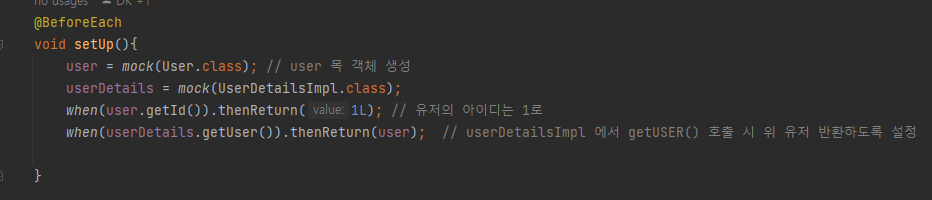
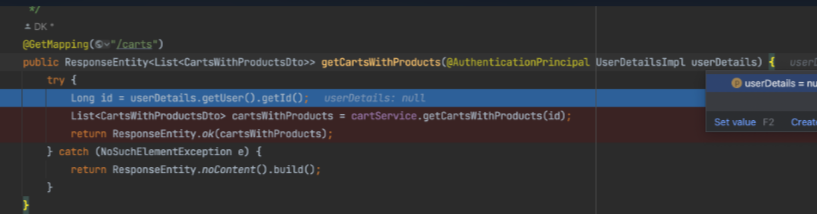
이에 대한 해결스토리는 2부에 계속됩니다.
2부 글 링크

맛있는 음식과 여행을 좋아하는 당당한 뚱땡이
아주 유용한 정보네요!