패킷은 해저 케이블로 전달된다.
IP Address: the Original Scheme
- Calssful Addressing Scheme (1981 - 1993)
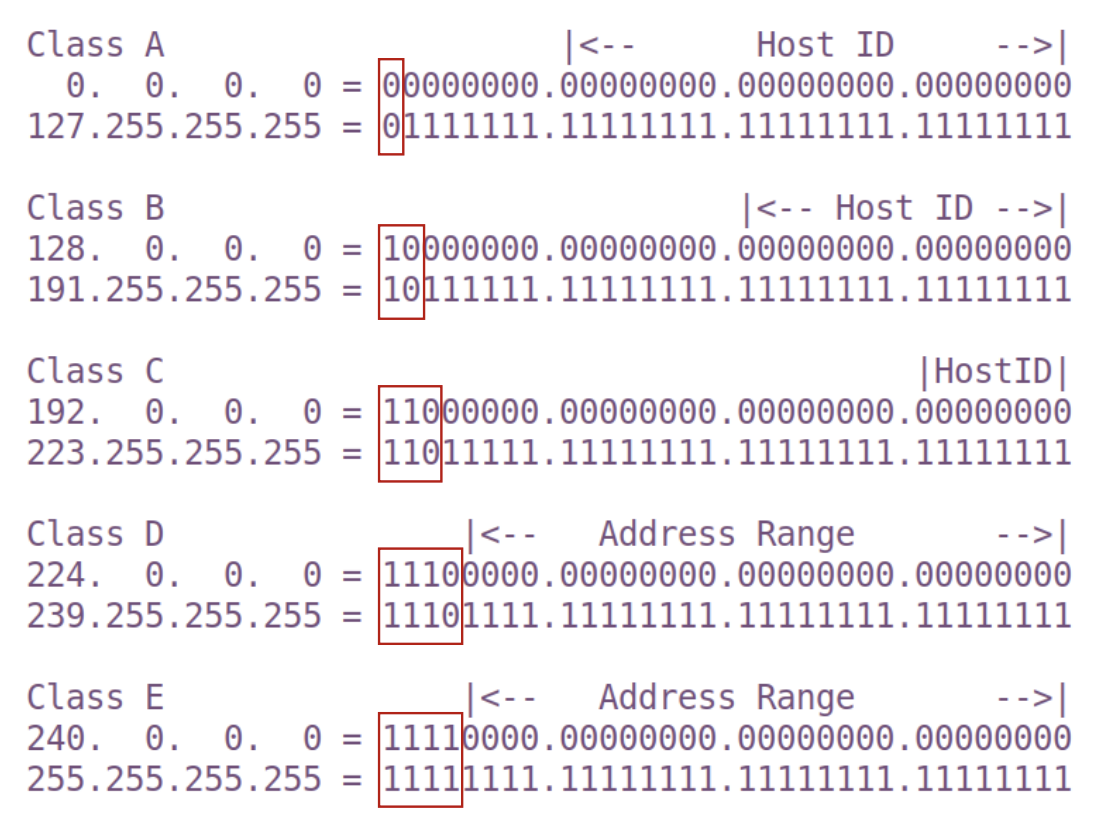
- IPv4 Address
- 32 bit = 4 byte
- 클래스(A~E) / 네트워크 ID / 호스트 ID
CIDR Scheme: Classless Inter-Domain Rounting
- 1993 ~
- IP주소/접두사길이
- 접두사 길이 = 서브넷 마스크에서 1로 채워진 비트 수
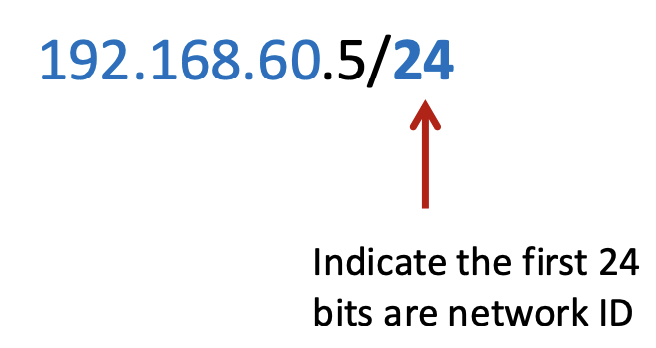
32bit IPv4 주소와 클래스 방식만으로 빠르게 늘어나는 기기를 다 수용하기 어려워 네트워크 경계를 1비트 단위로 쪼개서 할당하는 CIDR 등장
- What is the address range of the network 192.168.192.0/19?
- /19 앞의 19 bit 네트워크 ID
- 32 - 19 = 13 bit 호스트 ID
Special IP Addresses
- Private IP Addresses
- 10.0.0.0/8
- 172.16.0.0./12
- 192.168.0.0/16
- Loopback Address
- 127.0.0.0/8
- Commonly used: 127.0.0.1
Network Address Translation (NAT)
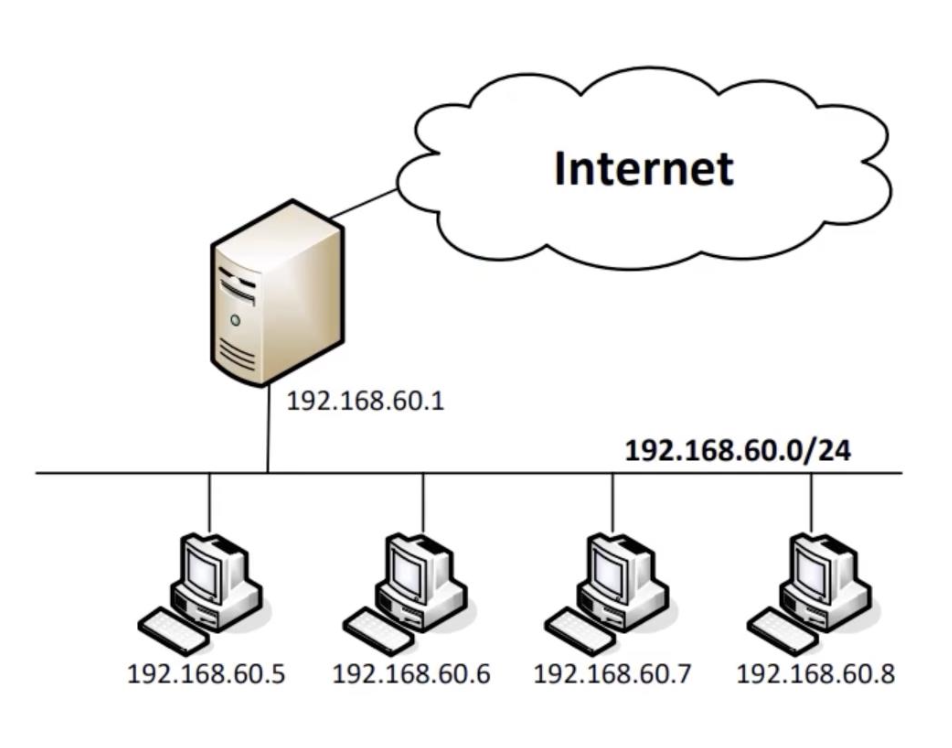
- 라우터 내부 네트워크에서는
192.168.60.1같은 사설 IP를 사용하고 인터넷과 통신할 때는 ISP로부터 할당받은 공인 IP 사용 - 내부 여러 PC에서 나가는 패킷을 이 공인 IP 하나와 서로 다른 포트 번호에 mapping
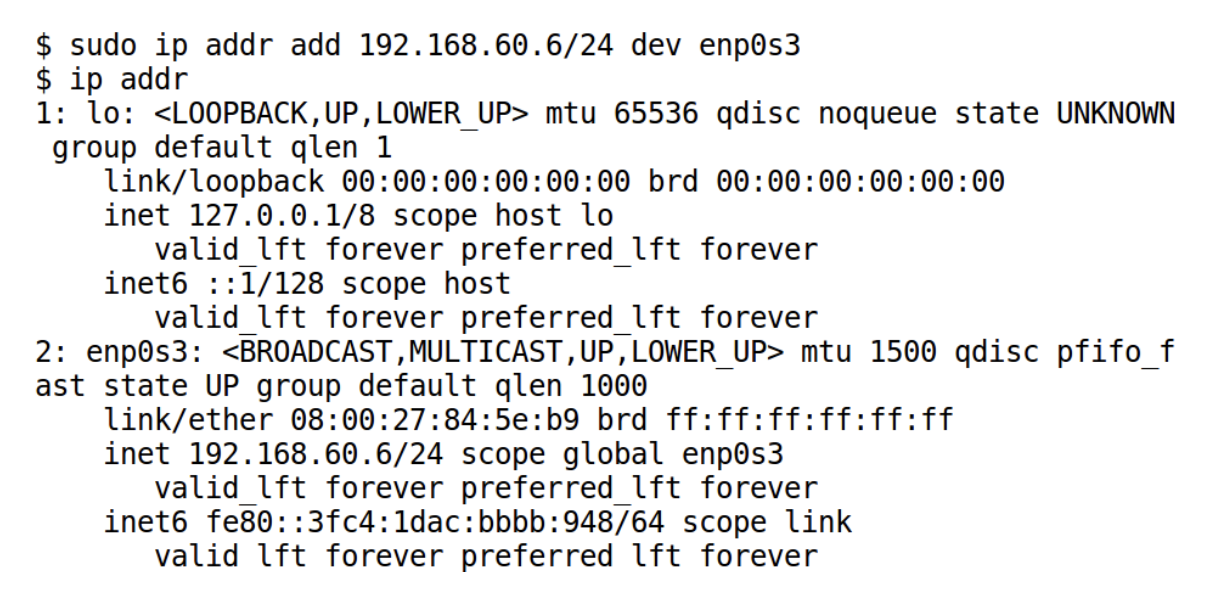
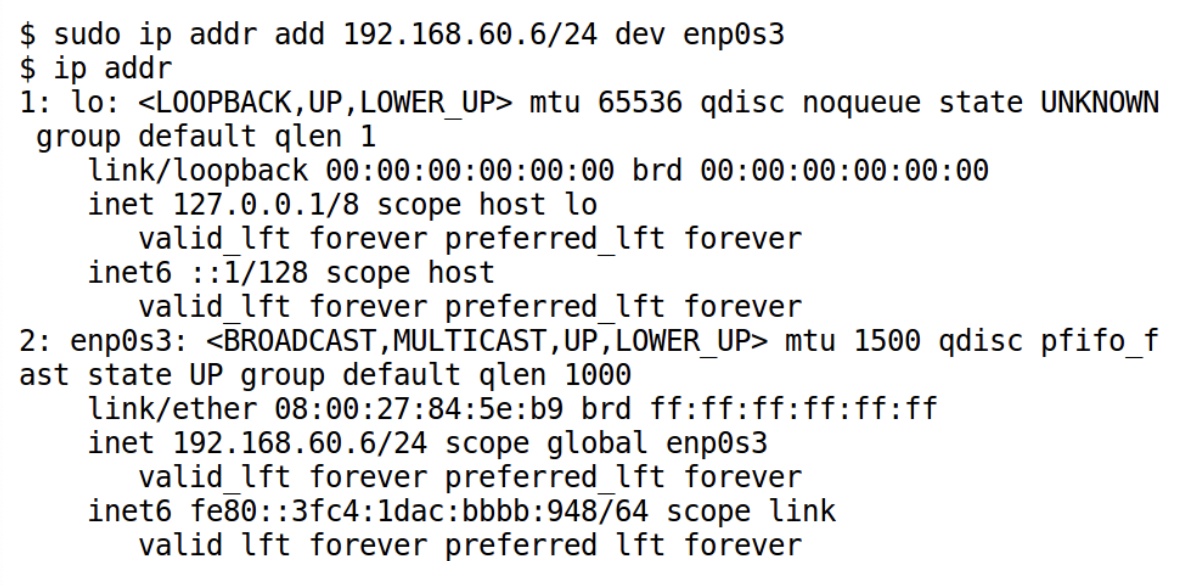
List IP Address on Network Interface

- lo: 컴퓨터 내부 통신, 자기 자신
- enp0s3: 외부 네트워크 연결에 사용되는 장치명
1. Manually Assign IP Address
2. Automatically Assign IP Address
대부분 자동으로 IP Address를 할당한다.
- DHCP: Dynamic Host Configuration Protocol
Get IP Addresses for Host Names: DNS
DNS: Domain Name Service
Pros
- 서버의 IP Address가 변경되더라도 DNS 레코드만 갱신하면 traffic이 자동으로 새로운 IP로 연결
- 사람이 기억하기 어려운 숫자 형태의 IP 대신 기억하기 쉬움
1. Network Attacks
1.1 Network Attacks
Old days
- Worm: self-spreading malware
네트워크를 타고 자가 복제로 남을 감염시킨다.
Basic step
- Scan: find a victim
- Infect: delever a malicious payload
Advanced
- Web: drive-by downloaded
- Bot: control a victim
- Denial of service: flood a victim(or her network)
- Others: online social network, spam, ...
1.2 Virus vs. Work
Virus
- malicious program that spreads using a propagation technique that generally requires user intervention, and always has a malicious intent
감염시키고자 하는 숙주(sw)가 존재해야 하고 항상 악의적인 의도를 품고 있다.
Worm
- to self-propagate, and may or may not have malicious intent
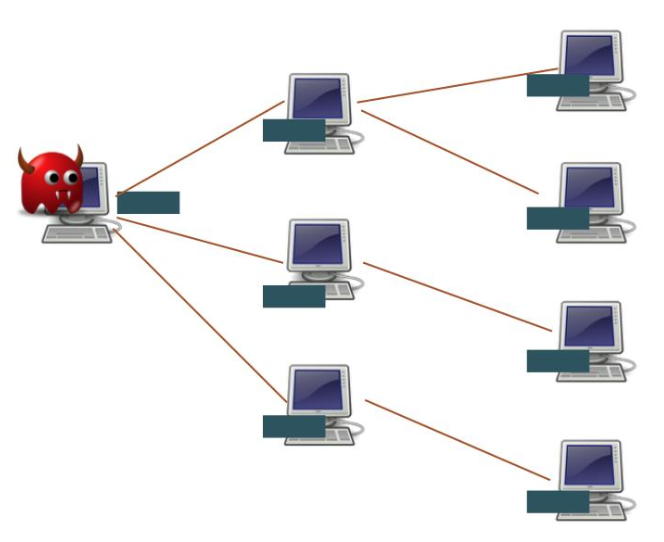
Malware 자체가 worm으로 악의적인 의도가 없을 수도 있다.
- Morris worm
- Infected approximately 6,000 machine
- The first compueter worm
- Buffer overflow vulnerablity in fingerd
- Code Red worm
- Infected more than 500,000 servers
CodeRed Case
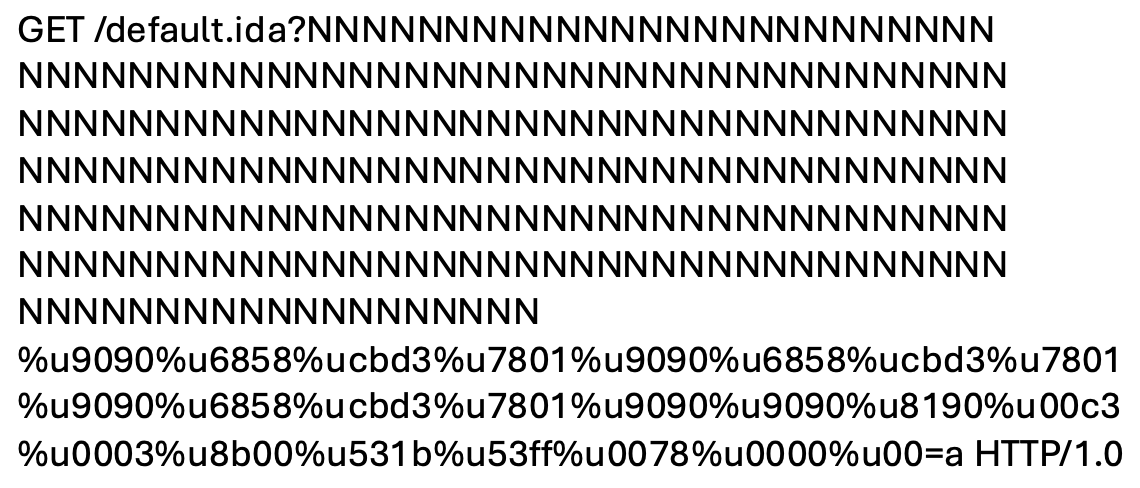
- Overflow 시킨 후 감염
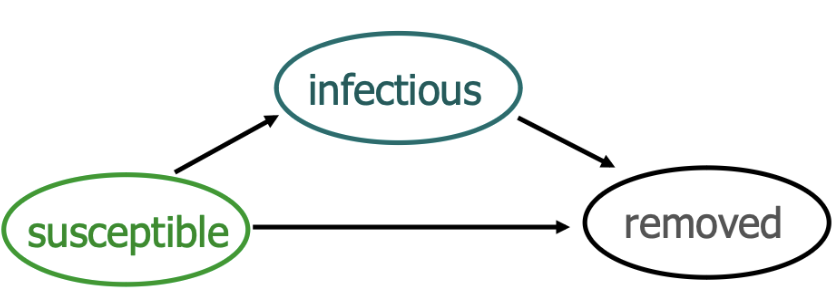
1.3 Worm Spreading Model
2. Network Intrusion
2.1 Network Intrusion
- A set of actions aimed to compromise the security goals, namely
- Integrity, confidentiality, or avaliability, of a computing and networking resource
- i.e., CIA model
2.2 How to Find a Victim
Scan a network
- Send a packets to find a host with open network services
- E.g., a host serving Apache web server (port 80이면)
2.3 Scanning Technique
1. TCP
- SYN scan: check if a recipient returns a SYN/ACK packet
- FIN scan: check if a recipient returns an RST packet
상대방이 SYN/ACK 패킷을 반환하면 해당 port가 열려 있음을 의미한다.
2. UDP
- Send a UDP packet to a random port
- If a port is open: no response
- If a port is closed: ICMP port unreachable
열린 port는 응답하지 않고 닫힌 port는 오류 메시지를 전송한다.
3. ICMP
- Check if a host is reachable
- ping
2.4 Nmap
- Popular network scanning tool
- Example commands
- $ nmap scanme.nmap.org
- This option scans all reserved TCP ports on the machine
- $ nmap -sS -O scanme.nmap.org/24
- Launches a stealth SYN scan against each machine that is up out of the 256 IPs on the class C sized network whee Scanme resides
- root privileges
- $ nmap scanme.nmap.org
특정 IP에 대해서 TCP, UDP가 몇 번이 열려있는가, 안 열려있는가 한 번에 scanning해줌
Aggressive OS guesses
- 운영체제마다 패킷 헤더의 특정 필드 값을 고유하게 사용
- Time To Live: Linux - 128, Window - 64로 시작하는 경우가 많다.
- TTL, port pattern, kernel version 등의 정보를 종합하면 상대방 OS를 추정하여 공격에 활용할 수 있다.
How to Prevent Scanning을 막으려면?
- 탐지되지 않도록 위장하는 방법 사용
- TTL은 IP 헤더의 필드로, 패킷이 다른 장치를 거칠 때마다 1씩 감소
- 0이 되면 패킷 전달 종료
- E.g., 원래 TTL이 256인 경우 이를 128로 설정하여 위장할 수 있다.
3. Advanced Techniques
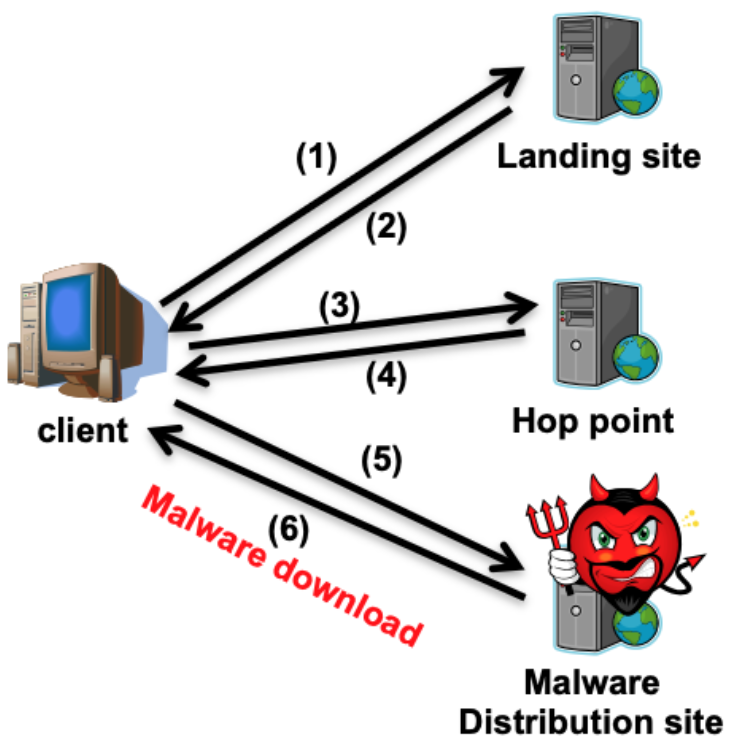
- Malware propagation approach that abuses web browser as the mechanism to connect computer users to servers that have malware
추적 방지를 위해 덫을 건다.
3.1 Drive-by Download
Landing site
- First site that a client visits
- Redirect to a hop point or distribution site
- Using iframe or JavaScript
Hop point
- Relay points
- Redirect to a next hop or a target site
- Using iframe or JavaScript
Malware districution site
- Final destination site that has malware
3.2 Bot
- A software application that runs automated tasks over the Internet
malware의 한 종류로 좀비와 같다.
Type
- Commercial purpose
- Web spider - crawling
- Malicios purpose
- Botnet
3.3 Botnet
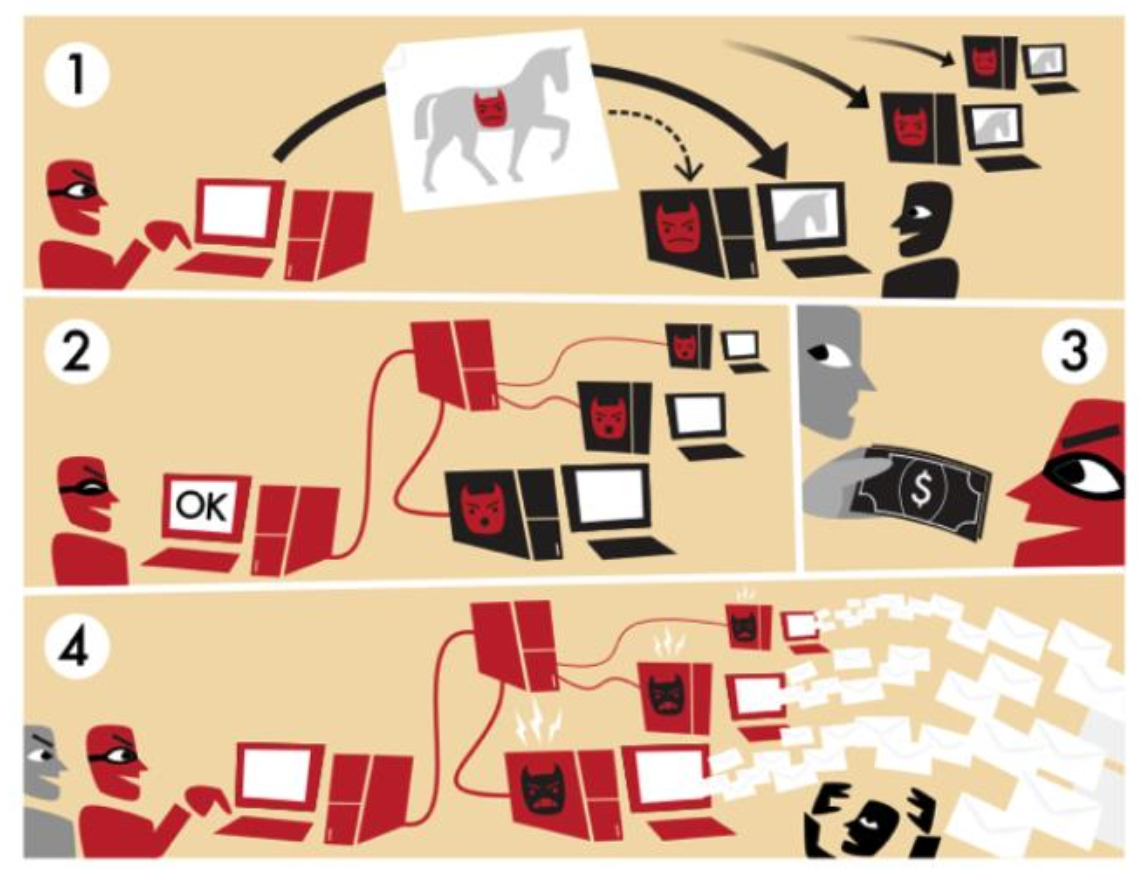
Bot(Zombie)
- Compromised computer controlled by malware(bot-code) without owner consent/knowledge
Botnets(Bot Armies)
- Networks of bots controlled by criminals
3.4 Denial of Service
- An attempt to make a machine or network resource unavaliable to its intended users
- Commonly knowns as
- (D)Dos attack
- TCP SYN flooding
- And many more
- 공격자는 다수의 클라이언트처럼 위장하여 다량의 SYN 패킷을 서버로 전송
- 서버는 각 요청에 대해 SYN-ACK을 반환하고, 3-way handshake를 마치기 위해 클라이언트 응답을 기다리며 버퍼에 저장
- 공격자는 실제 ACK 응답을 보내지 않으므로 서버의 버퍼가 가득 차서 정상 사용자의 실제 연결 요청 거부됨
- 공격자는 TCP 헤더에서 SYN 플래그만 켠 패킷(SYN=1, ACK=0)을 수만 개 서버로 보낸다. 버퍼가 꽉 차면 서버는 새로운 SYN에 대해 더 이상 자리를 못 만들어서, 정상 사용자의 연결 요청을 받아줄 수 없게 되어 DoS 상태가 된다.
3.5 Trojan
- A computer program that a useful function, but also has a hidden and potentially malicious function that evades security mechanisms, sometimes by exploiting legitimate authorizations of a system entity that invokes it
- Computer security - Principles and Practice, Stallings

갓생호소인