How Many Cigarettes Are in a Pack? Standard Counts Explained
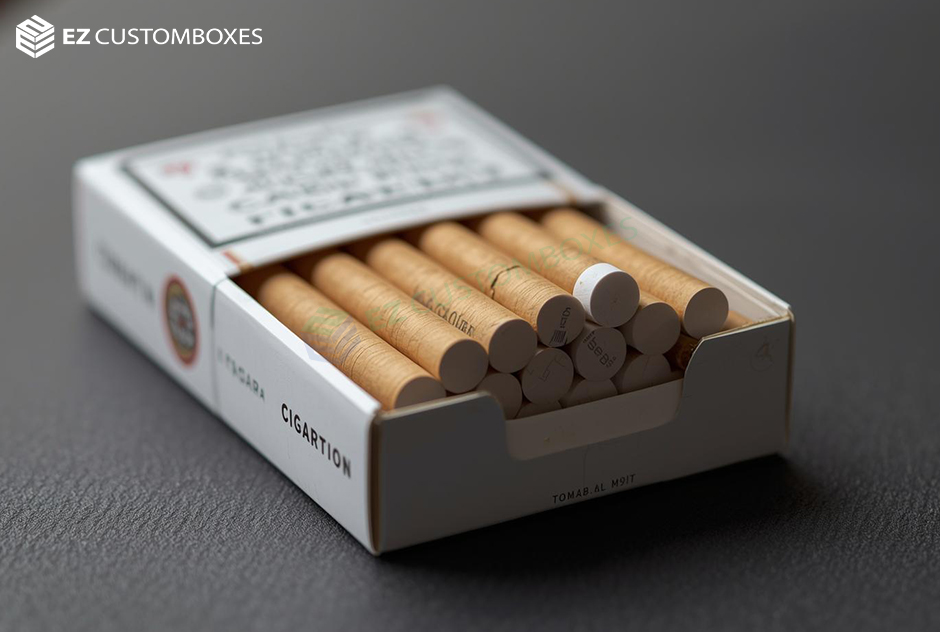
If you’ve ever wondered how many cigarettes are in a pack, you’re not alone. Pack sizes can vary by country, brand, and local regulations, which often causes confusion. This guide breaks down standard cigarette pack sizes, why they differ, and what terms like “20-pack” and “king-size” really mean.
Note: This article is for informational purposes only and does not promote smoking.
How Many Cigarettes Are in a Standard Pack?
In most countries, a standard pack of cigarette contains 20 cigarettes. This has become the widely accepted norm due to manufacturing consistency and legal regulations.
Typical Pack Sizes
-
20 cigarettes — Most common worldwide
-
25 cigarettes — Common in Canada, Australia, and some European markets
-
10 cigarettes — Sometimes sold where smaller packs are legal
-
30–40 cigarettes — Sold as “value packs” in some regions
-
100s or king-size packs — Refers to cigarette length, not quantity
Why Do Pack Sizes Vary?
Cigarette pack sizes depend on several factors:
Regulations
Some governments require minimum pack sizes to discourage youth consumption.
Branding & Marketing
Companies may offer “value packs,” “slim packs,” or promotional sizes where allowed.
Consumer Demand
Different regions prefer different quantities—some want smaller packs, others buy bulk.
How Many Cigarettes in a Carton?
A standard carton usually contains:
-
10 packs of 20 cigarettes = 200 cigarettes
-
10 packs of 25 cigarettes = 250 cigarettes
FAQ: Cigarette Pack Sizes
How many cigarettes are in a pack in the US?
Most U.S. packs contain 20 cigarettes.
How many cigarettes are in a pack in the UK?
Standard packs contain 20 cigarettes, due to legal requirements.
Are 10-packs still sold?
In many countries, 10-packs have been restricted or banned to reduce youth access.
Do slim cigarettes come in smaller packs?
Slims typically still come in 20-count packs unless regional laws differ.
Is cigarette length related to pack quantity?
No. “King-size” or “100s” refers to length, not the number of cigarettes.
Conclusion
Understanding how many cigarettes in a pack helps clarify packaging differences from one region to another. While 20 cigarettes is the global standard, pack sizes can range from 10 to 40 depending on laws and brand choices.
If you need more information on tobacco packaging, regulations, or health resources, feel free to ask.