PVC Foam vs Plywood: Choosing the Right Material for Modern Applications
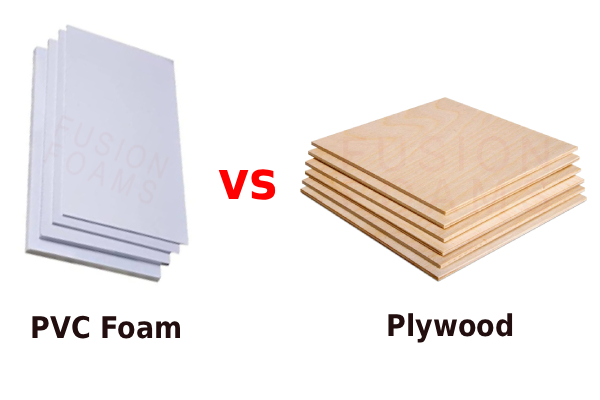
When it comes to interior, commercial, and industrial applications, material selection plays a critical role in durability, aesthetics, and long-term value. Among the most widely used materials today are PVC Foam, PVC Foam board, and Plywood. Each has distinct characteristics, and understanding the differences helps buyers make informed decisions. This detailed comparison of PVC Foam vs Plywood highlights performance, applications, and advantages to guide your choice.
Understanding PVC Foam
PVC Foam is a lightweight yet rigid material manufactured using expanded polyvinyl chloride. It offers excellent resistance to moisture, chemicals, and termites, making it suitable for demanding environments. Due to its closed-cell structure, it does not absorb water, which enhances its longevity in humid or wet conditions.
A major advantage of PVC Foam board is its smooth surface finish, allowing easy lamination, printing, and painting. This makes it a popular choice for signage, modular furniture, wall panels, and interior décor. Compared to traditional wood-based materials, it requires minimal maintenance and delivers consistent quality.
What Makes Plywood Popular?
Plywood has been a trusted construction material for decades. It is made by bonding multiple layers of wood veneer, resulting in a strong and versatile sheet. Because of its natural wood composition, it offers good load-bearing capacity and structural strength.
However, Plywood is vulnerable to moisture, termite attacks, and warping if not properly treated. In high-humidity environments, it may require additional coatings or frequent replacement, increasing long-term costs. Despite this, it remains widely used in furniture, flooring, and general construction.
PVC Foam vs Plywood: Differences Products
The debate around PVC Foam vs Plywood often comes down to durability, cost efficiency, and application suitability. While plywood provides a traditional wooden feel, foam boards deliver superior resistance to water and pests.
PVC Foam board is easier to cut, shape, and install, reducing labor time. It also maintains uniform thickness and finish, unlike plywood, which may vary depending on wood quality. In environments exposed to moisture, PVC Foam clearly outperforms plywood by maintaining structural integrity over time.
Applications and Industry Use
Both materials serve different industries effectively. PVC Foam is widely used in advertising boards, bathroom cabinets, kitchen shutters, laboratories, and clean-room environments. Its hygienic surface and chemical resistance make it ideal for modern interiors.
On the other hand, Plywood is preferred in load-bearing furniture, roofing support, and structural applications where rigidity is essential. Choosing between PVC Foam vs Plywood depends on whether durability against moisture or traditional strength is the priority.
Manufacturers like Fusion Foams focus on delivering consistent-quality foam boards designed to meet evolving architectural and industrial needs.
Environmental and Cost Considerations
From a sustainability perspective, modern PVC Foam board products are recyclable and offer longer service life, reducing replacement frequency. While plywood may appear economical initially, ongoing maintenance and repairs can increase overall expenses.
In terms of lifecycle cost, PVC Foam often proves more cost-effective, especially in commercial and high-traffic areas.
FAQs
1. Is PVC Foam stronger than plywood?
PVC Foam offers excellent durability and resistance to environmental factors, while plywood provides higher load-bearing strength.
2. Can PVC Foam board be used outdoors?
Yes, PVC Foam board performs well outdoors due to its moisture and weather resistance.
3. Which is better for furniture, PVC Foam vs Plywood?
For moisture-prone areas, PVC Foam vs Plywood comparisons often favor foam boards, while plywood suits heavy structural furniture.
4. Does plywood last longer than PVC Foam?
In dry conditions, plywood can last long, but PVC Foam generally has a longer lifespan in varied environments. Follow Us – Google My Business