
스택이란?
스택(Stack)은 "쌓다"라는 의미로데이터를 하나씩 쌓아 올린 형태의 자료구조로, 한쪽 끝에서만 자료를 넣고 뺄 수 있는 LIFO(Last In First Out) 형식의 자료 구조이다.
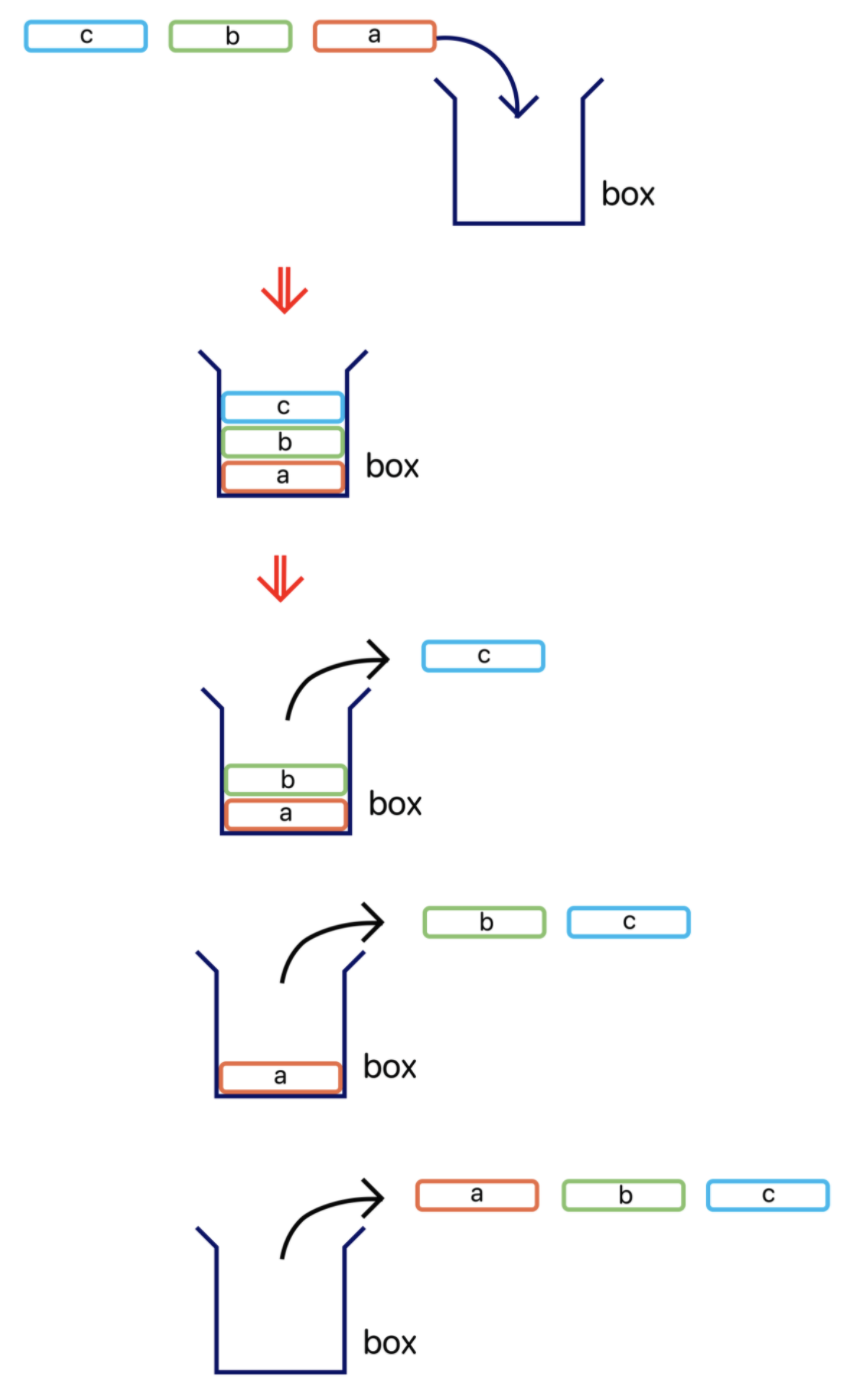
스택 메서드
-
pop() : 스택(Stack)의 가장 윗부분에 있는 자료를 제거한다.
-
push(item) : 스택(Stack)의 가장 윗부분에 item을 추가한다.
-
peek() : 스택(Stack) 가장 윗 부분에 있는 데이터를 반환한다.(제거하지 않음)
-
search(item) : 스택(Stack)에서 item이 있는 인덱스 위치를 반환한다.
-
sEmpty(): 스택이 비어 있을 때에 true를 반환한다.
스택 구현
import java.util.ArrayList;
import java.util.List;

public class CustomStack<T> {
    private List<T> stack;

    public CustomStack() {
        stack = new ArrayList<>();
    }

    // 스택(Stack)의 가장 윗부분에 있는 자료를 제거한다.
    public T pop() {
        if (stack.isEmpty()) {
            throw new RuntimeException("Stack is empty");
        }
        return stack.remove(stack.size() - 1);
    }

    // 스택(Stack)의 가장 윗부분에 item을 추가한다.
    public void push(T item) {
        stack.add(item);
    }

    // 스택(Stack) 가장 윗 부분에 있는 데이터를 반환한다.
    public T peek() {
        if (stack.isEmpty()) {
            throw new RuntimeException("Stack is empty");
        }
        return stack.get(stack.size() - 1);
    }

    // 스택(Stack)에서 item이 있는 인덱스 위치를 반환한다.
    public int search(T item) {
        int index = stack.lastIndexOf(item);
        if (index == -1) {
            return -1; // item이 스택에 없을 경우 -1 반환
        }
        return stack.size() - 1 - index;
    }

    // 스택이 비어 있을 때에 true를 반환한다.
    public boolean isEmpty() {
        return stack.isEmpty();
    }

    public static void main(String[] args) {
        CustomStack<Integer> stack = new CustomStack<>();
        stack.push(1);
        stack.push(2);
        stack.push(3);

        System.out.println("Peek: " + stack.peek()); // 출력: Peek: 3
        System.out.println("Pop: " + stack.pop());   // 출력: Pop: 3
        System.out.println("Search 2: " + stack.search(2)); // 출력: Search 2: 0
        System.out.println("IsEmpty: " + stack.isEmpty());  // 출력: IsEmpty: false

        stack.pop();
        stack.pop();

        System.out.println("IsEmpty after popping all elements: " + stack.isEmpty()); // 출력: IsEmpty after popping all elements: true
    }
}
스택 사용 사례
재귀 알고리즘을 사용하는 경우 스택이 유용하다.
재귀 알고리즘
- 재귀적으로 함수를 호출해야 하는 경우에 임시 데이터를 스택에 넣어준다.
- 재귀함수를 빠져 나와 퇴각 검색(backtrack)을 할 때는 스택에 넣어 두었던 임시 데이터를 빼 줘야 한다.
- 스택은 이런 일련의 행위를 직관적으로 가능하게 해 준다.
- 또한 스택은 재귀 알고리즘을 반복적 형태(iterative)를 통해서 구현할 수 있게 해준다.
웹 브라우저 방문기록 (뒤로가기)
실행 취소 (undo)
역순 문자열 만들기
- 수식의 괄호 검사 (연산자 우선순위 표현을 위한 괄호 검사)
Ex) 올바른 괄호 문자열(VPS, Valid Parenthesis String) 판단하기
후위 표기법 계산
참고 사이트

끊임없이 노력하는 개발자