[Paper Review] ECG Arrhythmia Classification using RNN
1. Summary of this paper
The primary aim of this paper is to enable automatic seperation applying RNN(Recurrent Neural Networks) to classify the normal and abnormal beats in an ECG(Electrocardiography).
2. Details
Recurrent Neural Network(RNN), Gated Recurrent Unit(GRU), Long Short Term Memory Network(LSTM) are the methodology used, and the performance is evaluated based on three measurements (accuracy, specificity, sensitivity).
2-1. Reccurent Neural Network(RNN)
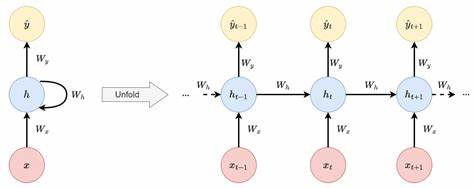
RNN has an architecture consisting of an input layer, hidden layer, and an output layer. It stores the past state along with the input, enabling processing of inputs that change over time, and the output also affects the next input.
2-2. Gated Recurrent Unit(GRU) & Long Short Term Memory Network(LSTM)
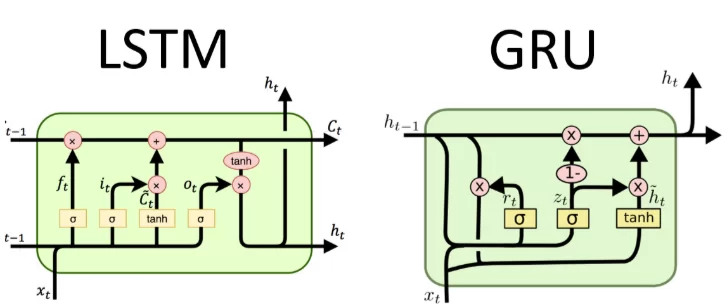
- GRU consists of two gates (A reset gate: determines how to combine the new input & An update gate: determines how much the memory should be used to keep around).
- LSTM is a specific type of RNN and it is applied after pre-processing.
2-3. Performance Measurement
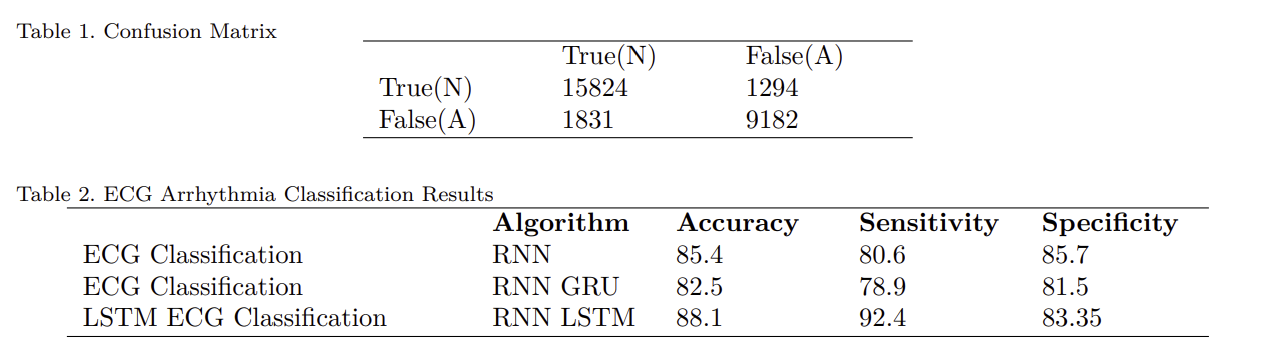
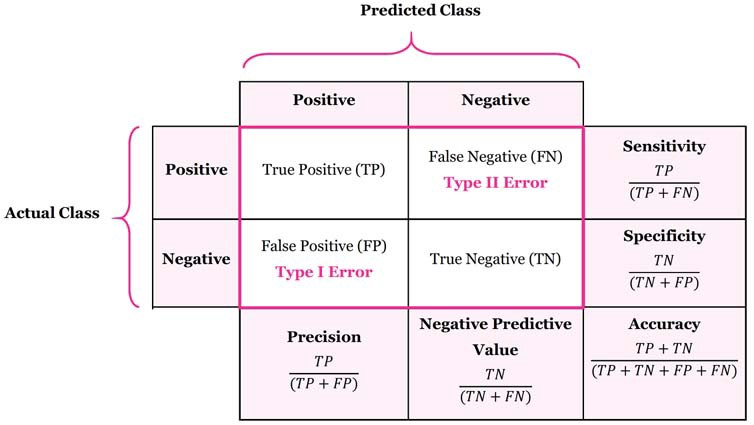
Since the goal was to classify the normal and abnormal(<- it is a binary classification) beats in an ECG, the measurements are described by confusion matrix.
(Below is the confusion matrix and ECG Arrhythmia classification results of this study. Also I added an image with a formula to obtain each measurement value including 'accuracy, specificity, and sensitivity' using the confusion matrix.)
3. Conclusion
LSTM networks offer a valuable tool for real-time monitoring and classification of ECG signals in the field. This study proposes further exploration into optimizing these models for a wider range of arrhythmia conditions and effectively integrating them into clinical operations.
[Link to the paper reviewed]
https://www.sciencedirect.com/science/article/pii/S1877050918307774