SaaS! PaaS! IaaS!
When I first started studying SAP, I thought these words were from another planet. But eventually, I realized that these concepts form the foundation of any ERP company. SAP operates through a range of specialized products, and we can categorize them using these terms.
Let me give you a metaphor to make it easier to understand.
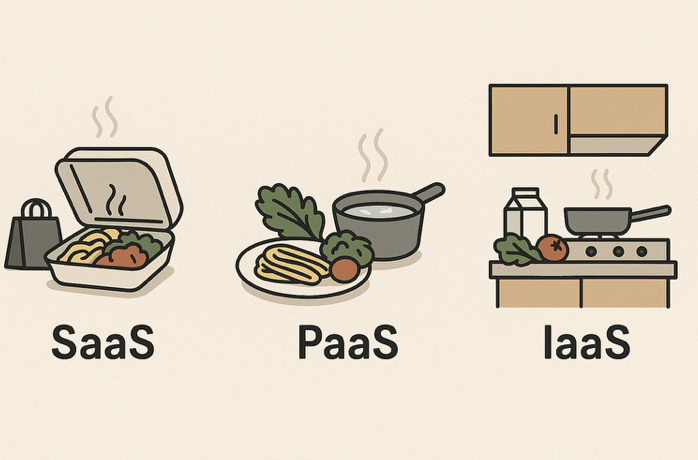
If we think of IT services as food:
- SaaS is like ready-to-eat delivery food — you can eat it right away.
- PaaS is like semi-prepared food — you still need to heat or cook it a little before eating.
- IaaS is like getting a kitchen and raw ingredients — you have to cook everything yourself before you can enjoy the meal.
When applying these concepts to SAP, the most well-known product, SAP S/4HANA, is typically offered as SaaS. However, it can also be deployed as IaaS, depending on how it is implemented. A company can either use it directly through a web interface (SaaS), or deploy it in a custom cloud environment for their customers (IaaS).
SAP delivers its SaaS products via a web interface, so companies can start using them just by logging in online. But for businesses that need more control over security and customization, it's also possible to deploy the software on an external server and still access it through the web.
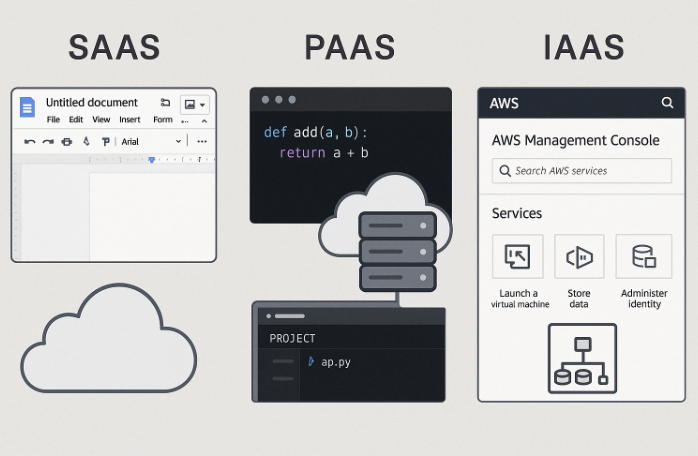
These cloud service models aren't unique to SAP. They're used across many industries and services we interact with every day.
- SaaS Example:
Think of Google Workspace or Microsoft 365 — you don’t need to install anything. You just log in and start working. Everything is managed for you.
- PaaS Example:
Platforms like Heroku or Google App Engine allow developers to build and deploy applications without worrying about the underlying infrastructure — they just bring their code.
- IaaS Example:
Services like Amazon Web Services (AWS) or Microsoft Azure give companies full control over virtual servers, storage, and networks. You build everything from scratch, just like cooking with raw ingredients.
Understanding these three models — SaaS, PaaS, and IaaS — is essential to navigating the modern cloud-based IT world. Whether you're a user, developer, or cosultant, knowing the difference can help you choose the right tool for the job.