How AI and Machine Learning Improve Logistics Software Performance
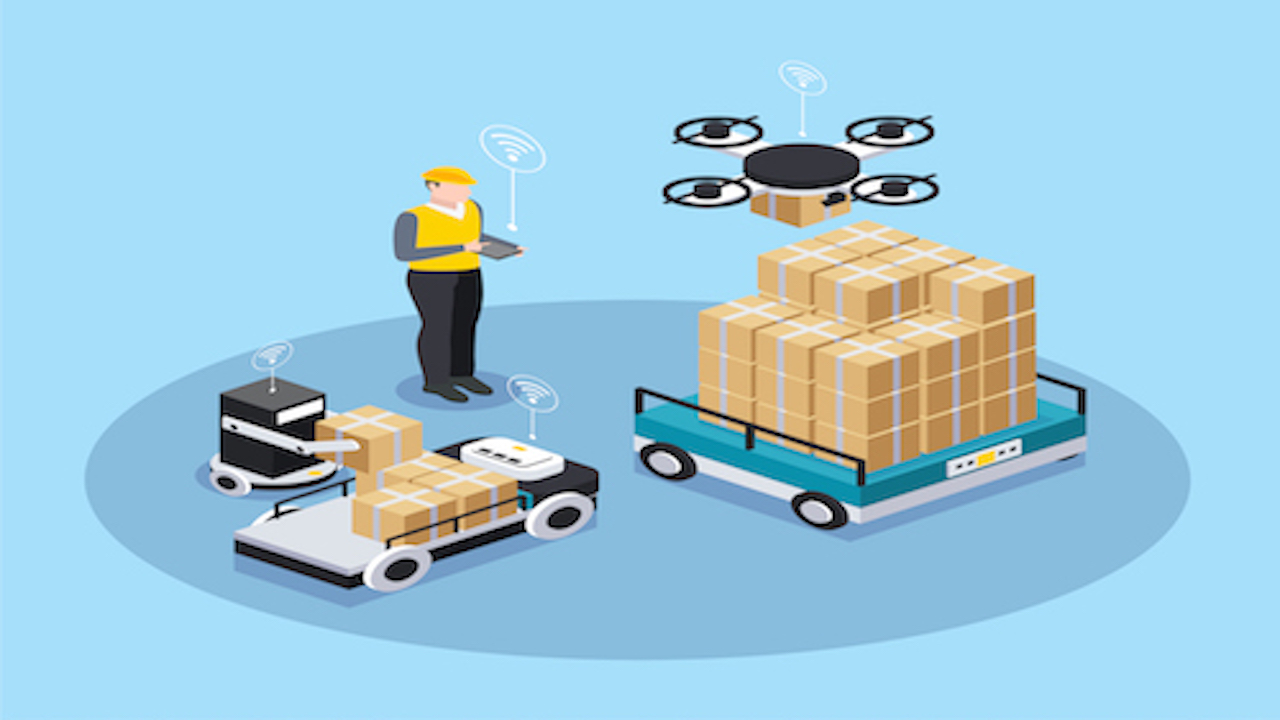
The logistics industry is under constant pressure to move faster, reduce costs, and deliver greater transparency across increasingly complex supply chains. Traditional systems struggle to keep up with real-time demands, unpredictable disruptions, and massive volumes of operational data. This is where artificial intelligence (AI) and machine learning (ML) are redefining how logistics software performs.
AI and ML are no longer experimental technologies in logistics—they are becoming foundational. By enabling systems to analyze data, identify patterns, and make intelligent decisions, these technologies significantly enhance efficiency, accuracy, and scalability across logistics operations.
The Role of AI and Machine Learning in Logistics Software
At a fundamental level, AI allows software systems to simulate human intelligence, while machine learning enables those systems to learn and improve from data without explicit programming. In logistics, this means software can move beyond static rule-based processes and evolve into adaptive, predictive, and autonomous platforms.
Modern logistics platforms powered by AI can process real-time data from vehicles, warehouses, sensors, customer orders, weather feeds, and market trends. ML models analyze this data continuously to improve planning, execution, and decision-making.
Smarter Route Optimization and Planning
One of the most impactful applications of AI in logistics software is route optimization. Traditional routing relies on fixed parameters and historical data. AI-driven routing engines, however, analyze live traffic conditions, road closures, fuel usage, delivery priorities, and driver availability in real time.
Machine learning models improve routing accuracy over time by learning from past deliveries. They identify recurring delays, inefficiencies, and patterns, enabling the system to recommend faster, more cost-effective routes. This leads to reduced delivery times, lower fuel consumption, and improved customer satisfaction.
Predictive Analytics for Demand Forecasting
Accurate demand forecasting is essential for maintaining smooth logistics operations. AI-powered logistics software uses historical order data, seasonal trends, economic indicators, and customer behavior to predict future demand with greater precision.
Machine learning models continuously refine forecasts as new data becomes available. This allows logistics teams to plan inventory levels, warehouse staffing, and transportation capacity more effectively. Predictive insights help prevent overstocking, stockouts, and last-minute operational disruptions.
Enhanced Warehouse Automation and Efficiency
AI and ML significantly improve warehouse performance by optimizing storage, picking, and fulfillment processes. Intelligent algorithms determine the most efficient product placement based on order frequency and movement patterns.
Computer vision and AI-powered robotics further enhance automation by enabling accurate item recognition, sorting, and picking. Machine learning systems analyze warehouse workflows to identify bottlenecks and recommend process improvements, reducing errors and increasing throughput.
Real-Time Risk Detection and Exception Management
Logistics operations are vulnerable to delays, breakdowns, and external disruptions. AI-driven systems excel at detecting anomalies and potential risks before they escalate into costly problems.
Machine learning models monitor shipment progress, vehicle performance, and environmental data to identify deviations from expected patterns. When a risk is detected—such as a potential delay or mechanical issue—the software triggers alerts and recommends corrective actions. This proactive approach minimizes downtime and improves operational resilience.
Intelligent Fleet and Asset Management
AI enhances fleet performance by analyzing vehicle data, driver behavior, and maintenance records. Predictive maintenance models identify early signs of wear and tear, allowing repairs to be scheduled before breakdowns occur.
Driver behavior analytics powered by machine learning promote safer driving habits by detecting harsh braking, speeding, or excessive idling. These insights lead to lower accident rates, reduced maintenance costs, and improved fuel efficiency.
Organizations working with a fleet Management Software Development Company often integrate AI-driven fleet intelligence directly into their broader logistics platforms for unified operational control.
Personalized Customer Experience and Visibility
Customer expectations for transparency and accuracy are higher than ever. AI-powered logistics software provides real-time shipment visibility, accurate delivery estimates, and proactive communication.
Machine learning models analyze historical delivery performance to generate precise ETAs and dynamically update customers when conditions change. Chatbots and AI assistants further enhance customer support by answering shipment-related queries instantly.
Cost Optimization Through Data-Driven Decisions
AI enables logistics software to identify hidden inefficiencies across the supply chain. By analyzing fuel usage, labor costs, warehouse utilization, and delivery performance, machine learning models highlight opportunities for cost reduction.
Businesses gain a clearer understanding of logistics software development cost drivers by leveraging AI-generated insights that reveal where investments deliver the highest operational return.
Supporting Scalable and Adaptive Software Architectures
AI-powered logistics platforms are inherently scalable. As operations grow and data volumes increase, machine learning models adapt without requiring complete system redesigns.
This adaptability is critical in logistics software development, where platforms must integrate with third-party systems, support new regions, and handle fluctuating demand without performance degradation.
A skilled logistics software development company focuses on embedding AI and ML capabilities into flexible architectures that support long-term growth and innovation.
The Future of AI in Logistics Software
The future of logistics software performance lies in deeper AI integration. Autonomous decision-making, self-optimizing supply chains, and AI-driven collaboration between logistics partners are becoming achievable realities.
As machine learning models grow more sophisticated, logistics platforms will transition from reactive systems to fully predictive and prescriptive solutions. Businesses that adopt AI-driven logistics software today will gain a significant competitive advantage in speed, cost efficiency, and service quality.
Conclusion
AI and machine learning are transforming logistics software from basic management tools into intelligent operational engines. By improving route optimization, forecasting, warehouse efficiency, risk management, and customer experience, these technologies unlock new levels of performance and scalability.
Organizations that invest in AI-powered logistics platforms position themselves to thrive in an increasingly complex and competitive logistics environment—where data-driven intelligence is no longer optional, but essential.