How Blockchain Can Enhance Transparency in Food Waste Management Apps
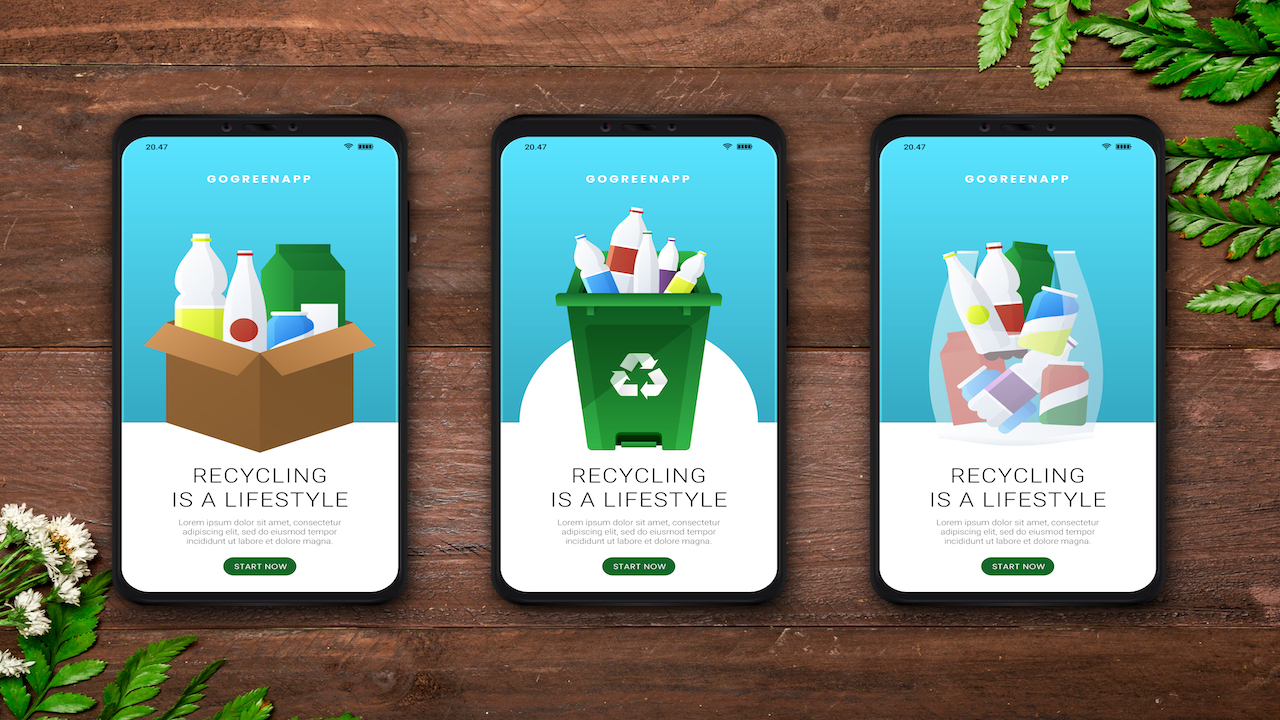
Food waste is one of the most pressing challenges of our time, with millions of tons of edible food discarded globally every year. Beyond environmental consequences, it has significant economic and social implications. With the rise of technology, Food Waste Management app development has emerged as a key solution to reduce waste, optimize supply chains, and promote sustainability. Among the latest technological innovations, blockchain stands out as a powerful tool to enhance transparency, trust, and accountability in food waste management platforms.
In this article, we explore how blockchain technology can revolutionize food waste management apps, the benefits it brings, and practical steps for integrating it into your platform.
Understanding Blockchain in the Context of Food Waste
At its core, blockchain is a decentralized, tamper-proof digital ledger that records transactions securely and transparently. Every transaction or data entry is verified by multiple participants in the network, making it nearly impossible to alter without consensus.
In the context of food waste management, blockchain can track the journey of food—from production to consumption—ensuring that data about inventory, expiration dates, donations, and disposal is accurate and verifiable. This capability addresses one of the biggest challenges in the industry: trust and transparency.
Why Transparency Matters in Food Waste Management Apps
Food waste management platforms often involve multiple stakeholders: restaurants, grocery stores, food banks, NGOs, and consumers. Miscommunication or lack of trust between these parties can lead to inefficiencies, errors, or underutilized donations.
Blockchain solves these issues by providing:
- Immutable Records: Every transaction, donation, or disposal action is permanently recorded.
- Real-Time Tracking: Stakeholders can monitor food movement and inventory in real time.
- Auditability: Regulatory authorities and NGOs can verify compliance with food safety standards.
- Accountability: Restaurants and suppliers are motivated to reduce waste, knowing that every action is traceable.
For example, a food donation app development project can use blockchain to track donations from restaurants to food banks. Donors can verify that their contributions reach recipients safely, while recipients can ensure food quality and quantity.
Key Applications of Blockchain in Food Waste Management Apps
1. Tracking Food Inventory and Expiry Dates
One of the primary causes of food waste is the expiration of perishable items due to poor inventory management. Blockchain can help by recording every item’s production date, storage conditions, and shelf life in an immutable ledger.
An AI-powered app integrated with blockchain can alert restaurants, retailers, and consumers about items nearing expiration, enabling timely redistribution, discounts, or donations. This not only reduces waste but also increases operational efficiency.
2. Ensuring Trust in Food Donations
Food donation programs are essential to address hunger while reducing waste. However, concerns about food quality, safety, and accountability often hinder participation. Blockchain enables transparent tracking of donated food, from the donor to the recipient.
Each donation entry can include:
- Donor information
- Quantity and type of food
- Expiry date and storage conditions
- Timestamp of pickup and delivery
With this system, NGOs, volunteers, and recipients can trust the platform completely, encouraging higher participation in donation programs.
3. Reducing Fraud and Mismanagement
Fraudulent activities, such as false reporting of donations or improper disposal, can undermine food waste management efforts. Blockchain’s decentralized and tamper-proof structure ensures that once data is recorded, it cannot be altered without consensus.
This level of transparency reduces the risk of mismanagement and strengthens the credibility of the platform, making it easier to attract investors, partners, and government support. Companies investing in Food Waste Management app development company services can leverage this technology to build robust and trustworthy solutions.
4. Streamlining Supply Chain Collaboration
Food waste often occurs due to inefficient supply chain coordination between producers, distributors, and retailers. Blockchain can facilitate smart contracts, which are automated agreements that trigger actions when certain conditions are met.
For example:
- Automatically redistributing excess stock from a restaurant to a nearby food bank
- Notifying suppliers to adjust deliveries based on real-time demand
- Rewarding stakeholders for reducing waste according to pre-set metrics
This creates a collaborative ecosystem where every participant benefits, and waste is minimized.
5. Data-Driven Insights and Analytics
Blockchain not only provides transparency but also generates reliable data for analytics. By combining blockchain with AI and ML, food waste management apps can:
- Predict waste patterns and optimize inventory
- Identify high-waste areas and suggest corrective actions
- Track the impact of donations and sustainability initiatives
These insights empower businesses and NGOs to make informed decisions and measure the effectiveness of their food waste reduction strategies.
Steps to Integrate Blockchain in a Food Waste Management App
- Identify Use Cases: Determine which aspects of your app—donation tracking, inventory management, or supply chain transparency—can benefit most from blockchain.
- Select a Blockchain Platform: Options like Ethereum, Hyperledger, or Corda offer different features and scalability options.
- Develop Smart Contracts: Define rules for transactions, donations, and redistribution to automate processes.
- Integrate with App Backend: Ensure that blockchain data syncs seamlessly with the app’s database and user interface.
- Ensure Security and Compliance: Implement encryption, GDPR compliance, and secure access protocols to protect sensitive data.
- Test and Iterate: Run pilot projects to identify challenges and optimize performance before full-scale deployment.
By partnering with a reliable Food Waste Management app development company, businesses can reduce the complexity of blockchain integration while keeping development cost-effective. Speaking of which, understanding Food Waste Management app development cost is essential. Costs depend on the app’s features, blockchain framework, and level of automation but investing in transparency often leads to long-term savings and social impact.
Benefits of Blockchain in Food Waste Management Apps
- Transparency: Stakeholders can trust that data is accurate and verifiable.
- Efficiency: Smart contracts and real-time tracking reduce manual intervention.
- Sustainability: Reduced food waste supports environmental and social goals.
- Accountability: Immutable records discourage mismanagement or fraud.
- Scalability: Blockchain allows easy expansion across regions and partners.
Challenges to Consider
While blockchain offers immense benefits, developers should be aware of certain challenges:
- High Initial Investment: Implementing blockchain can be costlier than traditional databases.
- Technical Expertise: Requires skilled developers and blockchain specialists.
- Scalability Issues: Some blockchain networks may face transaction speed limitations.
- User Adoption: Stakeholders need training to use blockchain-based apps effectively.
Careful planning, phased implementation, and collaboration with experienced teams can overcome these obstacles.
Conclusion
Blockchain technology has the potential to transform Food Waste Management app development by enhancing transparency, accountability, and efficiency. From tracking inventory and donations to streamlining supply chains and reducing fraud, blockchain creates a trustworthy ecosystem where businesses, NGOs, and consumers can collaborate effectively.
Integrating blockchain with AI, smart contracts, and analytics not only reduces food waste but also builds confidence among stakeholders, making it a crucial investment for sustainable food management platforms. Whether you are developing a food donation app, a restaurant inventory app, or a community-focused waste reduction platform, consulting a Food Waste Management app development company can ensure a smooth and cost-effective implementation.
Investing in blockchain today can lead to a smarter, more sustainable, and socially responsible food ecosystem tomorrow.