How Much Does It Cost to Build an Aviation Software in 2026?
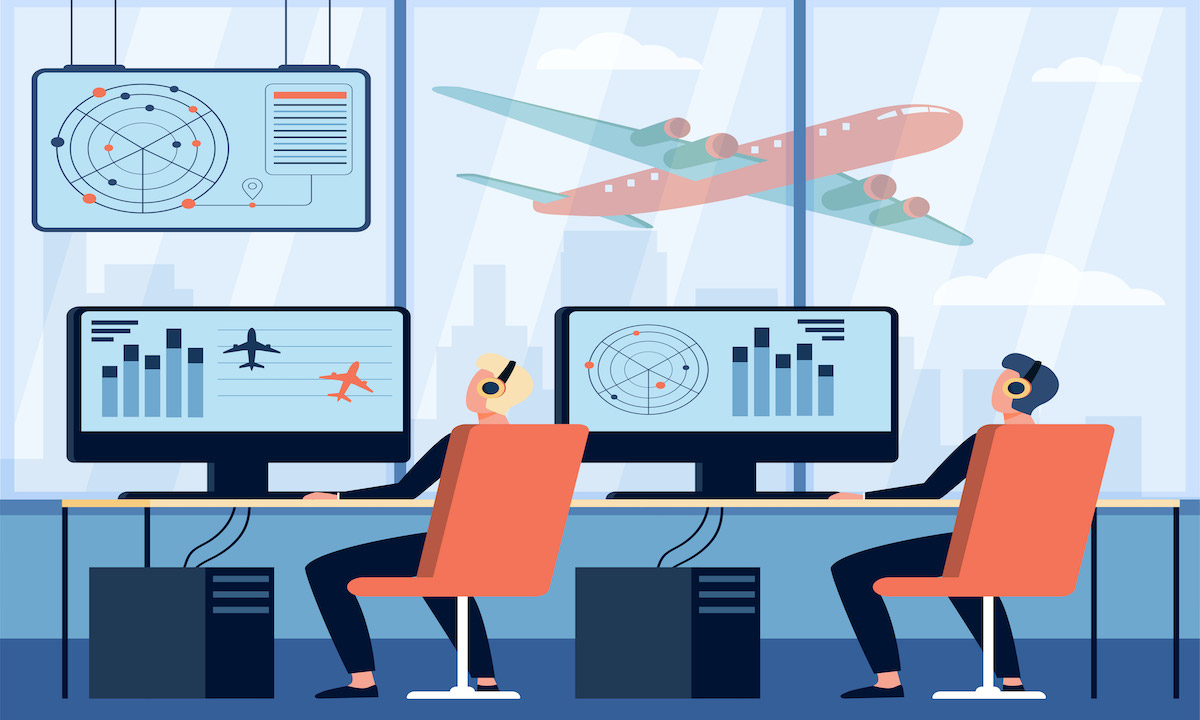
The aviation industry is one of the most technology-driven sectors in the world. From flight operations and air traffic management to maintenance systems and passenger experience platforms, software plays a critical role in ensuring safety, efficiency, and regulatory compliance. As digital transformation accelerates in 2026, many aviation companies are exploring custom software solutions—but understanding the cost involved is essential before starting.
This article breaks down the factors, technologies, and cost structures involved in developing aviation software, helping businesses make informed investment decisions.
What Is Aviation Software?
Aviation software refers to digital systems designed to support airline operations, airport management, aircraft maintenance, flight planning, crew scheduling, air traffic control support, and passenger services. These systems can be web-based, cloud-based, mobile, or embedded, depending on their purpose.
Common types of aviation software include:
Flight management systems
Maintenance, repair, and overhaul (MRO) platforms
Crew management and scheduling tools
Airline reservation and booking systems
Airport operations management software
Safety and compliance monitoring systems
Due to the mission-critical nature of aviation, these systems demand high reliability and precision.
Why Aviation Software Development Is Expensive
Aviation software is significantly more complex than standard business applications. It must operate in real-time, integrate with hardware and external systems, and comply with strict international regulations.
In 2026, the Cost to Build an Aviation Software is heavily influenced by safety requirements, system redundancy, real-time data processing, and extensive testing procedures.
Key Factors That Influence Development Cost
- Type and Purpose of Software
The function of the software has a direct impact on cost. For example:
Passenger-facing systems focus on UI/UX and scalability
Operational systems require real-time data accuracy
Safety-critical systems demand rigorous validation and certification
Software involved in flight safety and aircraft operations typically costs more due to higher compliance standards.
- Feature Complexity
The number and sophistication of features significantly affect development time and cost.
Common aviation software features include:
Real-time flight tracking
Weather data integration
Predictive maintenance alerts
Crew and resource scheduling
Compliance and reporting dashboards
Data analytics and performance monitoring
Advanced features such as AI-based forecasting or automation increase development complexity.
- Platform and Architecture
Aviation software may be built for:
Web platforms for operations teams
Mobile apps for pilots or ground staff
Embedded systems for aircraft hardware
Cloud-based platforms for data analytics
Hybrid architectures that combine multiple platforms require more development effort and testing.
- UI/UX Design
User experience is critical in aviation, where clarity and usability directly impact safety and efficiency. Designing interfaces that are intuitive, fast, and compliant with aviation standards requires specialized expertise, increasing overall cost.
- Technology Stack
In 2026, aviation software commonly relies on:
Cloud infrastructure for scalability
Real-time databases
AI and machine learning for predictive insights
APIs for weather, navigation, and third-party systems
High-availability architectures for fault tolerance
Advanced technology stacks improve performance and reliability but raise development and operational costs.
- Security and Regulatory Compliance
Aviation systems must comply with strict global regulations related to safety, cybersecurity, and data protection. Implementing secure communication, access control, and audit mechanisms adds to development expenses.
Estimated Cost Breakdown in 2026
Here’s a general cost estimate based on system complexity:
Basic Aviation Software: $40,000 – $70,000
Mid-Level Operational Software: $70,000 – $150,000
Enterprise or Safety-Critical Systems: $150,000 – $300,000+
The Aviation Software Development Cost increases substantially for software requiring certification, redundancy, and long-term operational support.
Development Team and Location
Who builds your software greatly impacts the budget:
In-house teams provide full control but involve high long-term costs
Freelancers may reduce initial expenses but lack reliability for critical systems
Specialized aviation software agencies offer industry expertise and compliance knowledge
Development costs also vary by region, with teams in North America and Western Europe generally charging higher rates than those in Asia or Eastern Europe.
Maintenance and Long-Term Costs
Aviation software requires continuous support throughout its lifecycle. Ongoing expenses include:
System monitoring and performance optimization
Security updates and compliance changes
Feature enhancements
Cloud hosting and data storage
Technical support and training
Annual maintenance typically costs between 20% and 30% of the initial development investment.
How to Optimize Aviation Software Development Costs
Businesses can control costs by:
Clearly defining requirements before development
Starting with a minimum viable product (MVP)
Reusing certified components where possible
Choosing scalable cloud infrastructure
Partnering with experienced aviation software developers
Early planning helps avoid costly redesigns and compliance issues later.
Is Aviation Software Worth the Investment?
Absolutely. Aviation software improves operational efficiency, enhances safety, reduces downtime, and ensures regulatory compliance. It also enables data-driven decision-making, which is critical in a highly competitive and regulated industry.
Choosing to Cost to Build an Aviation Software Like Veryon is a strategic move that supports long-term growth and operational excellence in the aviation ecosystem.
Final Thoughts
In 2026, aviation software development represents a significant but necessary investment. While costs can be high due to complexity and regulatory requirements, the long-term benefits—improved safety, operational efficiency, and scalability—far outweigh the initial expense.
By selecting the right technology, development approach, and experienced partners, aviation companies can successfully deliver robust, secure, and future-ready software solutions that meet industry demands.