How Much Does It Cost to Develop a Pickup and Delivery App?
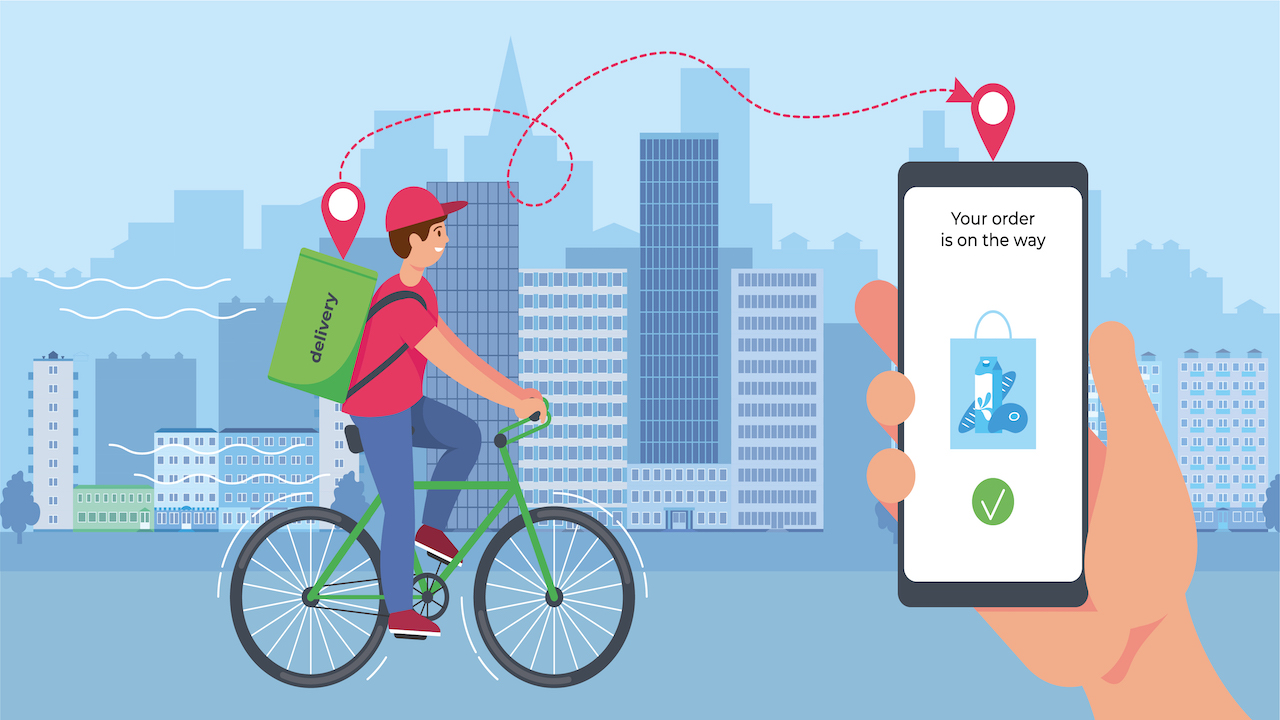
In today’s on-demand economy, pickup and delivery apps have become a backbone for businesses across industries—from food and grocery to laundry, logistics, pharmacies, and local retailers. As customer expectations for speed, transparency, and convenience continue to rise, many entrepreneurs and enterprises are asking the same critical question: how much does it actually cost to build a pickup and delivery app?
The answer isn’t one-size-fits-all. App development costs depend on multiple factors including features, platforms, design complexity, development approach, and long-term maintenance. This blog breaks down every major cost component so you can plan your investment wisely and avoid surprises.
Understanding the Scope of Pickup and Delivery Apps
Before estimating costs, it’s important to understand what kind of solution you’re building. A basic app may only allow users to place orders and track deliveries, while an advanced platform may include real-time GPS tracking, route optimization, AI-based demand prediction, multiple payment options, and admin dashboards.
At a high level, most solutions include three panels:
- Customer App – for placing orders, tracking deliveries, and making payments
- Delivery Partner App – for task assignment, navigation, and order updates
- Admin Panel – for managing users, orders, pricing, analytics, and support
The more robust each panel is, the higher the development investment.
Key Factors That Influence Development Cost
1. App Complexity and Features
Features are the biggest cost driver. A minimum viable product (MVP) with essential functions costs significantly less than a full-scale enterprise solution.
Basic features may include:
- User registration and login
- Order placement
- Push notifications
- Basic payment integration
Advanced features may include:
- Live GPS tracking
- In-app chat and call
- AI-based delivery estimation
- Multi-language and multi-currency support
- Analytics and reporting
Each additional feature increases development time and cost.
2. Platform Choice: Android, iOS, or Both
Developing for a single platform costs less, but limits your market reach. Most businesses choose cross-platform development to target both Android and iOS users. While cross-platform frameworks can reduce cost, highly customized experiences may still require native development.
3. UI/UX Design Requirements
User experience plays a critical role in customer retention. Clean design, intuitive navigation, and fast loading interfaces require skilled designers and multiple testing iterations. A simple interface is cheaper, while custom animations and branded visuals increase costs.
4. Development Team Location
Hourly rates vary dramatically by region. Developers in North America and Western Europe charge more than teams in Asia or Eastern Europe. However, cost should be balanced with experience, communication, and post-launch support.
This is where choosing the right pickup and delivery app development company becomes essential—one that offers both technical expertise and business understanding.
Estimated Pickup and Delivery App Development Cost
Here’s a rough cost breakdown based on app complexity:
- Basic MVP App: $15,000 – $30,000
- Mid-Level App: $30,000 – $60,000
- Advanced Enterprise App: $60,000 – $120,000+
These estimates cover design, development, testing, and initial deployment. Ongoing expenses such as hosting, APIs, updates, and customer support are additional.
Understanding the true pickup and delivery app development cost helps businesses align expectations and allocate budgets effectively.
Custom Development vs Readymade Solutions
Some businesses opt for white-label or SaaS-based solutions to save money. While these reduce upfront investment, they often come with limitations in scalability, customization, and long-term ownership.
Custom development, on the other hand, allows you to Build a pickup and delivery solution tailored exactly to your workflow, branding, and growth plans. Though the initial investment is higher, the long-term ROI is often better.
Maintenance and Hidden Costs
Development doesn’t end at launch. Ongoing costs typically include:
- Server and cloud hosting
- Third-party APIs (maps, SMS, payments)
- Security updates and bug fixes
- Feature enhancements based on user feedback
Annual maintenance usually costs 15–25% of the initial development budget.
Choosing the Right Development Team
Your development partner directly impacts quality, timelines, and scalability. A skilled team will not only write code but also advise on best practices, compliance, and performance optimization.
Many businesses choose to hire pickup and delivery app developers with proven experience in on-demand platforms to reduce risk and speed up delivery.
Final Thoughts
The cost of developing a pickup and delivery app depends on your vision, feature set, and execution strategy. Whether you’re a startup testing the market or an enterprise building a large-scale logistics platform, careful planning and the right technology decisions can save both time and money.
By understanding cost drivers, avoiding unnecessary features, and partnering with experienced professionals, you can create a scalable and profitable solution that meets modern customer expectations while staying within budget.