How to Optimize Food Delivery Apps for Performance and Scalability
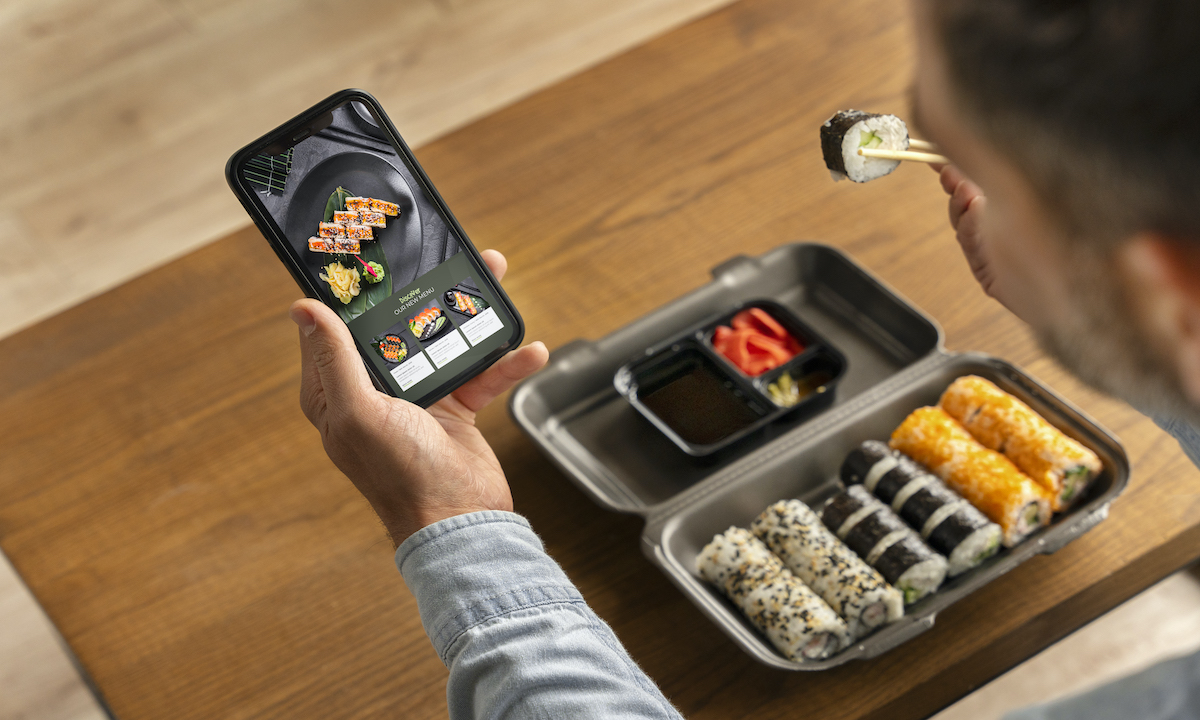
In today’s fast-paced digital world, food delivery apps have become an essential part of our daily lives. From ordering lunch at the office to late-night snacks, users expect seamless, fast, and reliable services. However, building a successful food delivery app goes beyond just design and functionality—it requires performance optimization and scalability to handle growing demand efficiently. In this article, we will explore practical strategies for optimizing your food delivery app and ensuring it scales smoothly as your user base grows.
Why Performance and Scalability Matter in Food Delivery Apps
A high-performing app ensures users enjoy smooth navigation, quick load times, and timely order processing. On the other hand, scalability is the app’s ability to handle an increasing number of users, restaurants, and orders without slowing down or crashing. Neglecting these factors can lead to poor customer experiences, lost revenue, and negative reviews.
Imagine a food delivery app crashing during peak hours like lunch or dinner. Not only does this frustrate users, but it also tarnishes the reputation of the app. Therefore, optimizing your app for performance and scalability is not optional—it’s crucial for success.
Key Strategies to Optimize Food Delivery Apps
1. Choose the Right Technology Stack
Selecting the appropriate technology stack is the foundation of app performance. Modern frameworks like React Native or Flutter allow for cross-platform app development without compromising speed. Backend frameworks like Node.js or Django can handle high traffic efficiently. A reliable database such as PostgreSQL or MongoDB ensures fast data retrieval, which is critical for real-time order tracking.
By partnering with a reputable food delivery app development company, you can ensure that your tech stack is designed for both speed and scalability, giving your app a competitive edge.
2. Optimize App Architecture
A well-planned app architecture supports smooth scaling. Consider microservices architecture, which divides the app into smaller, independent services. This allows developers to update or scale individual components without affecting the entire system. For example, the payment module can scale independently during peak hours without slowing down the entire app.
3. Implement Caching Mechanisms
Caching frequently accessed data reduces server load and accelerates response times. Tools like Redis or Memcached can store temporary data such as restaurant menus, user preferences, and order history. Caching not only improves app speed but also reduces the food delivery app development cost by minimizing server requests.
4. Optimize API Performance
APIs are the backbone of any food delivery app, enabling communication between the app, servers, and third-party services. Optimizing API calls by reducing unnecessary requests, implementing pagination, and using RESTful or GraphQL APIs can significantly enhance performance. Fast and efficient APIs ensure that users can browse menus, place orders, and track deliveries without delays.
5. Enhance Database Management
Efficient database management is vital for scalability. Use indexing to speed up query retrieval and consider database sharding for handling massive datasets. Additionally, regularly cleaning up unused data and archiving old orders can prevent performance bottlenecks. If you plan to build a food delivery app, ensuring a robust database design is critical for handling millions of users.
6. Focus on App Load Time
A slow app will drive users away, even if it has excellent features. Optimize images, compress media files, and minimize unnecessary code to reduce load times. Tools like Google PageSpeed Insights or Lighthouse can help identify performance bottlenecks. A fast app ensures better user retention, higher engagement, and more completed orders.
7. Enable Real-Time Order Tracking
Real-time tracking is a core feature for food delivery apps. Implementing WebSockets or Firebase can provide instant updates on order status and delivery location. Efficient real-time tracking not only enhances user experience but also reduces the number of support calls and inquiries, improving overall operational efficiency.
8. Scale with Cloud Infrastructure
Cloud platforms like AWS, Google Cloud, or Microsoft Azure provide auto-scaling capabilities to handle traffic spikes during peak hours. By leveraging cloud infrastructure, you can dynamically allocate resources, ensuring your app runs smoothly even with thousands of concurrent users. This flexibility reduces the risk of crashes and improves the reliability of your service.
9. Monitor Performance Continuously
Performance optimization is not a one-time task. Implement monitoring tools like New Relic, Datadog, or Firebase Performance Monitoring to track app speed, server health, and user interactions. Continuous monitoring allows your development team to identify and fix issues proactively, ensuring a seamless experience for your users.
10. Consider Related App Extensions
Expanding your app ecosystem can enhance service and generate new revenue streams. For instance, partnering with a food waste management app development company** or a food donation app development service can add social value while attracting a responsible user base. Similarly, integrating with a food track website development company can help track deliveries efficiently across regions, improving operational efficiency.
11. Hire Skilled Developers
Finally, having a talented team is key to implementing these optimizations effectively. You can hire food delivery app developers with experience in scalable architectures, cloud solutions, and real-time systems. Skilled developers ensure your app is built for both immediate performance and long-term growth.
Conclusion
Optimizing a food delivery app for performance and scalability is essential for long-term success. By choosing the right technology stack, implementing caching, optimizing APIs, and using cloud infrastructure, you can create a fast, reliable, and scalable platform. Continuous monitoring, coupled with skilled development support, ensures that your app can grow seamlessly as user demand increases.
Whether you aim to build a food delivery app for a startup or enhance an existing platform, focusing on performance and scalability will improve user satisfaction, reduce costs, and secure your competitive position in the booming online food market.Food Delivery App Development