Computer Vision Solutions That Deliver Real Business Results
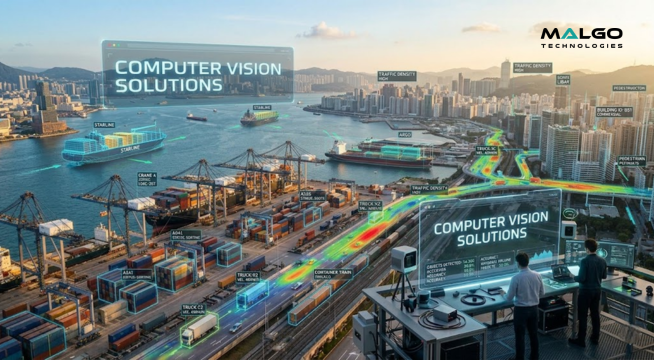
Computer vision solutions are a form of artificial intelligence that enables computers to identify and process objects in images and videos the same way human eyes do. These systems use digital cameras and deep learning models to accurately interpret visual data and provide automated insights for various industries. By translating pixels into searchable information, businesses can automate complex visual tasks with high speed and precision.
What Are Computer Vision Solutions?
Computer vision solutions act as a digital eye for machines, allowing them to see and understand the physical environment. These systems work by using algorithms to analyze the edges, colors, and textures of an image to recognize specific patterns. Once a system identifies a pattern, it compares it against a vast database of known objects to make a final identification or trigger a specific action.
This technology is used to handle tasks that require constant visual monitoring, such as scanning barcodes on a fast conveyor belt or detecting a person entering a restricted area. Unlike humans, these digital systems do not experience fatigue and can process thousands of images per second. This makes them a reliable choice for organizations that need to maintain high standards of accuracy around the clock.
Why Companies Need Visual Automation?
Businesses need these systems to handle the massive amount of visual data produced in modern workplaces. In a typical factory or warehouse, there are too many moving parts for a person to watch everything at once. Computer vision solutions fill this gap by providing a constant stream of analysis, ensuring that no defect or safety risk goes unnoticed during a busy shift.
Another reason for adopting this technology is the need for real-time decision-making. When a machine can instantly see a problem, it can stop a production line before more waste is created. This immediate response time helps keep operations running smoothly and prevents small errors from turning into expensive failures. It provides a level of control that manual observation simply cannot match.
Key Features of Modern Vision Systems
Object detection is a primary feature that allows a system to find and track specific items within a crowded frame. In a retail setting, this might mean identifying every item on a shelf to check for low stock. In a logistics hub, it helps in sorting packages based on size or destination labels. This feature makes it possible to organize and manage physical assets without manual counting.
Image classification is another important part of these tools, where the software assigns a label to an entire image or a specific part of it. This is used in quality control to mark a part as "good" or "bad" based on its appearance. By grouping images into these categories, companies can quickly gather data on their production health and identify where they need to make improvements.
Semantic segmentation provides even more detail by highlighting every pixel that belongs to a specific object. This feature is used in fields where exact boundaries matter, such as helping a robot navigate a warehouse floor without hitting walls or shelves. It creates a map of the environment that the machine uses to move safely and perform tasks with high levels of physical accuracy.
Benefits of Computer Vision Solutions
One major benefit is the massive increase in operational efficiency. By automating visual inspections, employees can spend their time on more complex tasks that require human reasoning. This leads to a faster workflow where machines handle the repetitive scanning and humans handle the strategy and problem-solving, creating a more productive workplace for everyone.
Accuracy is also a significant advantage when using automated vision. These systems can detect tiny flaws that are invisible to the naked eye, such as microscopic cracks in metal or small color variations in fabric. Maintaining such a high level of consistency helps a brand build a strong reputation for quality, as customers receive products that are checked against strict digital standards.
Safety in the workplace is better protected when vision systems are active. These tools can monitor if staff members are wearing the right safety gear or if they are standing too close to moving machinery. By sending instant alerts when a safety rule is broken, the technology helps prevent accidents and helps maintain a healthy environment for all workers on the site.
Why Choose Malgo for Computer Vision Solutions
Malgo offers a direct approach to building vision systems that solve specific business problems. Instead of offering generic tools, Malgo looks at the actual environment where the technology will be used. This ensures that the software works correctly under different lighting conditions and handles the specific types of objects found in that industry.
The focus at Malgo is on creating systems that are easy to integrate into existing workflows. There is no need for a complete overhaul of current machinery to start seeing the benefits of visual automation. Malgo provides the software expertise needed to turn standard camera feeds into a source of valuable business data that helps managers make informed choices.
Malgo prioritizes reliability and clear communication throughout the process of setting up a new system. By choosing Malgo, a company gets a partner that understands how to make artificial intelligence practical and useful. The goal is always to deliver a system that works consistently and provides a clear return on the effort put into the project.
Get Started With Visual Automation
Ready to see how computer vision solutions can help your business grow and stay safe? Contact Malgo today to find out which automated vision tools are right for your specific needs and start making better use of your visual data.