Understanding Surface Treatments for LCD Panels: A Practical Engineering Overview
LCD displays are used in environments far more demanding than living rooms or offices.
Factory control panels, outdoor kiosks, medical devices, and automotive dashboards all place heavy stress on the display surface. Dust, fingerprints, strong lighting, and even UV exposure can quickly reduce usability.
To address these challenges, engineers apply surface treatments — thin optical or protective layers that determine how the screen behaves when exposed to real-world conditions.
This article introduces the most common surface treatments used in professional LCD designs and explains how they improve readability and durability.
Why Surface Treatments Matter
The outermost layer of a display shapes the entire viewing experience. Even if the panel itself has high brightness and good color accuracy, the surface finish can make it look washed-out, blurry, or difficult to read.
Surface engineering helps with:
- Managing reflections under bright light
- Keeping touch surfaces clean
- Maintaining contrast in mixed lighting
- Preventing optical aging and yellowing
- Improving user comfort and long-term reliability
In many applications, surface treatment is just as important as the internal LCD module.
Four Common Surface Treatments
Below is a quick overview of four widely used treatments and what they’re designed for.
| Treatment | Function | Typical Use |
|---|---|---|
| AG (Anti-Glare) | Scatters incoming light to reduce harsh reflections | Outdoor HMIs, industrial control terminals |
| AR (Anti-Reflective) | Minimizes reflectance and increases contrast | Medical displays, precision instruments |
| AF (Anti-Fingerprint) | Repels oils and moisture to keep touchscreens clean | Tablets, POS devices, public kiosks |
| UV Protection | Shields optical layers from UV-induced aging | Outdoor signage, semi-outdoor devices |
Anti-Glare (AG): Reducing Harsh Light
Anti-glare surfaces rely on microscopic textures that diffuse incoming light. Instead of reflecting light like a mirror, the surface breaks it apart, making reflections softer and less distracting.
How AG Is Made
Coated AG
A matte coating with micro-particles is applied to the surface. These particles scatter light without impacting readability.
Etched AG
The surface is micro-etched during manufacturing. This version is highly durable and does not rely on added layers.
Why AG Matters
- Better readability in bright rooms or sunlight
- Less eye strain during long sessions
- Stable visibility from different angles
- Suitable for industrial, automotive, and outdoor displays
Anti-Reflective (AR): Sharper and Clearer Viewing
While AG reduces glare by scattering light, AR coatings take a more technical approach — they reduce reflection by controlling optical interference.
How AR Improves Visibility
AR films are built from multiple layers with different refractive indexes. When light hits the surface, the reflections from each layer interfere with each other and cancel out.
As a result:
- The screen looks brighter and more vivid
- Contrast improves
- Fewer surface reflections appear under mixed lighting
Where AR is Useful
- Diagnostic and surgical displays
- Navigation tools
- Retail signage
- Color-critical interfaces
Anti-Fingerprint (AF): Cleaner Touch Interfaces
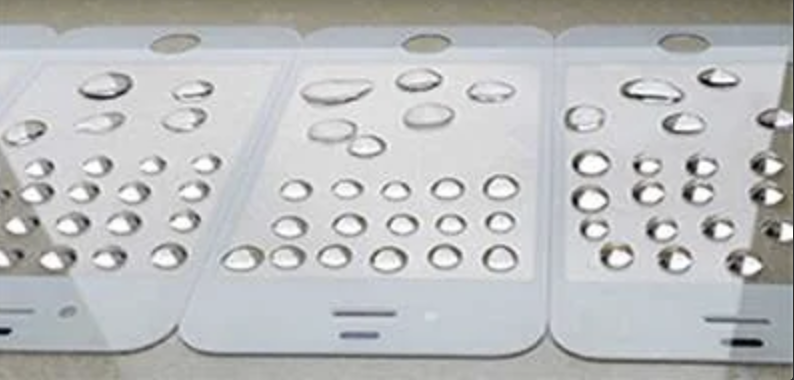
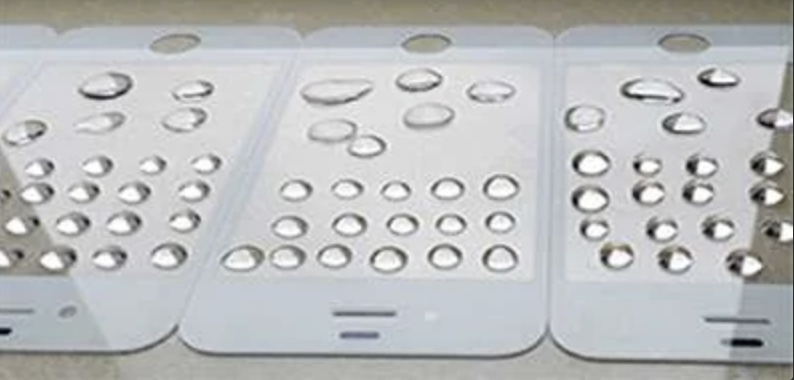
Touchscreens are used everywhere now, but fingerprints can make them look hazy and reduce visibility. AF coatings solve this by adding an oleophobic layer that repels oil and moisture.
What AF Helps With
- Less fingerprint residue
- Smoother swiping and tapping
- Quick cleaning with a dry cloth
- Clearer visuals in public or shared devices
Common AF Applications
- Smart home panels
- POS and payment terminals
- Tablets and handheld devices
- Public information kiosks
UV Protection: Defending Displays Against Sunlight
UV light can slowly degrade an LCD’s polarizers and adhesives. Over time, the screen might turn yellow or lose brightness.
A UV-blocking surface treatment acts as a shield, reducing long-term optical damage.
Why UV Protection Is Important
- Prevents yellowing and color fading
- Maintains brightness over years of outdoor use
- Protects internal optical films
- Extends display lifespan in sun-exposed environments
Where UV Protection Is Essential
- Outdoor billboards
- Semi-outdoor terminals
- Solar monitoring equipment
- Marine and automotive displays
Combining Different Treatments
Real-world devices often need more than one treatment.
Popular Combinations
- AG + AR → readable outdoors, high clarity indoors
- AR + UV → sunlight-readable and long-lasting
- AG + AF → glare-free and easy to clean
- AF + UV → ideal for outdoor touchscreens
Choosing the right mix depends on lighting, environment, usage patterns, and durability requirements.
Final Thoughts
Surface treatments may look like small details, but they profoundly influence how users experience a display. Whether you’re designing an industrial machine interface, a medical monitor, or an outdoor kiosk, surface engineering should be considered early in the design phase.