🎯시작 전 목표
- SQL 입문 강의 4주차 수강
- SQL 문법 연습문제 3번~ 풀기
였는데,
TIL하루종일 썼는데 실수로 누른 뒤로가기 한번에 증발해버렸다.
그런 관계로 써놨던 건 썼다 치고 그 이후부터 작성해야겠다.
6번부터 분노의 문제풀이 시작
참고로 글을 쓰기 시작한 현재 시간은 오전 12시28분이다
💻Today I learned
✔ SQL 문법 연습문제
3번6번~ 풀기
연습문제 6번
어제의 글에서 바로 이어진다면 절대 푸는것이 불가능한 문제이지만 평행우주의 나는 이미 SQL 입문 강의를 5주차까지 수강한 상태이기 때문에 아주 쉽게 풀 수 있다.
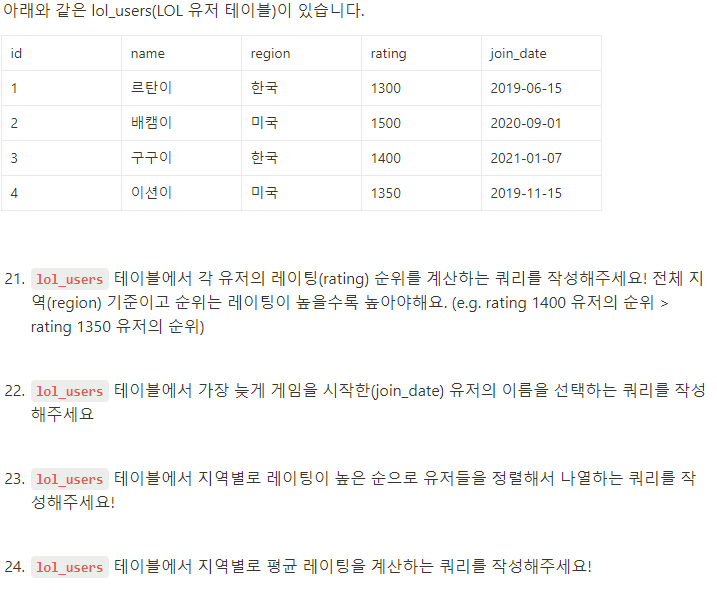
Select *, rank() over(order by rating desc) as 'Rank'  FROM lol_users;
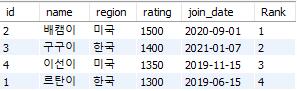
Select name from lol_users order by join_date desc limit 1 ;
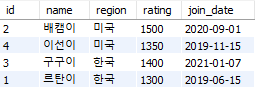
Select * from lol_users order by region, rating desc;
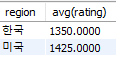
Select region, avg(rating) from lol_users group by 1;
하나씩 실행 해 보면 결과는 다음과 같다.
빠르게 다음문제
연습문제 7번
데이터테이블을 만드는 과정은 캡쳐하기 귀찮은 관계로 앞으로 코드만 올릴 생각이다.
CREATE TABLE lol_feedbacks (
    id INT ,
    user_name VARCHAR(50),
    satisfaction_score INT,
    feedback_date DATE
);
INSERT INTO lol_feedbacks (id, user_name, satisfaction_score, feedback_date) VALUES
(1, '르탄이', 5, '2023-03-01'),
(2, '배캠이', 4, '2023-03-02'),
(3, '구구이', 3, '2023-03-01'),
(4, '이선이', 5, '2023-03-03'),
(5, '구구이', 4, '2023-03-04');
문제의 답은 다음과 같다.(아마도)
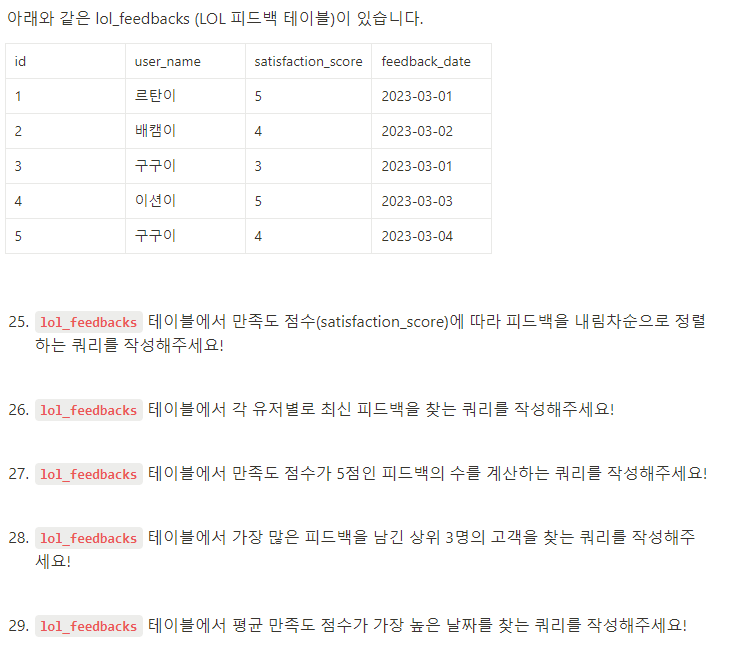
Select * from lol_feedbacks order by satisfaction_score desc;
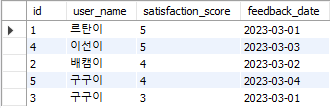
Select user_name, max(feedback_date) from lol_feedbacks group by 1;
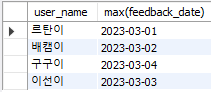
Select count(satisfaction_score) from lol_feedbacks where satisfaction_score = 5;
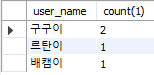
Select user_name, count(1) from lol_feedbacks group by 1 order by 2 desc limit 3;
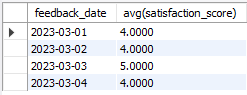
Select feedback_date, avg(satisfaction_score) from lol_feedbacks group by feedback_date;
실행 결과는 다음과 같다.
바로 다음문제
연습문제 8번빠르게 데이터테이블
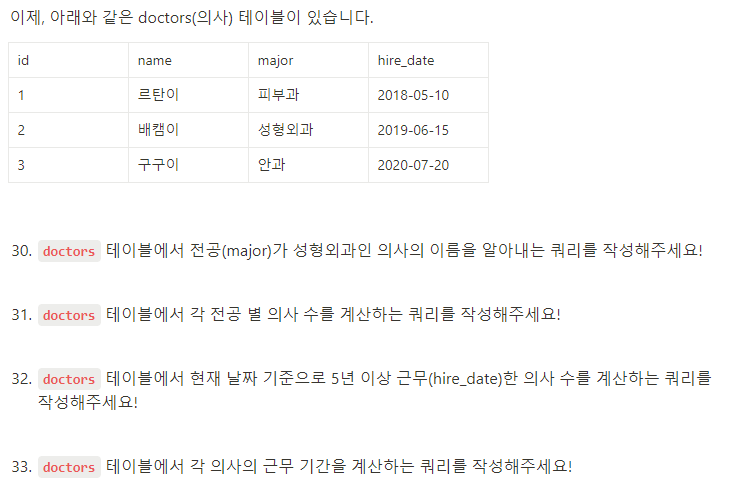
  CREATE TABLE doctors (
    id int,
    name VARCHAR(50),
    major VARCHAR(100),
    hire_date DATE
);
INSERT INTO doctors (id, name, major, hire_date) VALUES
(1, '르탄이', '피부과', '2018-05-10'),
(2, '배캠이', '성형외과', '2019-06-15'),
(3, '구구이', '안과', '2020-07-20');
빠르게 문제
Select name from doctors where major='성형외과';
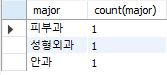
Select major, count(major) from doctors group by 1;
Select count(1) from doctors where curdate()-hire_date>= 50000;
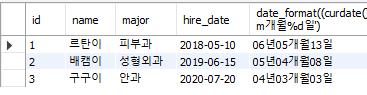
Select *, date_format((curdate()-hire_date),'%y년%m개월%d일') from doctors;
이렇게 푸는 게 맞나 싶지만 아무튼 풀면 된단 마인드
실행결과는 다음과 같다.
아직까지는 매우 순조롭다. 그리고 피곤하다.
연습문제 9번
Table
CREATE TABLE patients (
    id INT ,
    name VARCHAR(50),
    birth_date DATE,
    gender VARCHAR(10),
    last_visit_date DATE
);
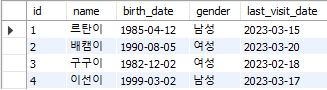
INSERT INTO patients (id, name, birth_date, gender, last_visit_date) VALUES
(1, '르탄이', '1985-04-12', '남성', '2023-03-15'),
(2, '배캠이', '1990-08-05', '여성', '2023-03-20'),
(3, '구구이', '1982-12-02', '여성', '2023-02-18'),
(4, '이선이', '1999-03-02', '남성', '2023-03-17');
Query
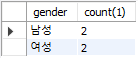
Select gender, count(1) from patients group by 1;
Select count(1) from patients where curdate()-birth_date>=400000;
Select * from patients where curdate()-last_visit_date>=10000;
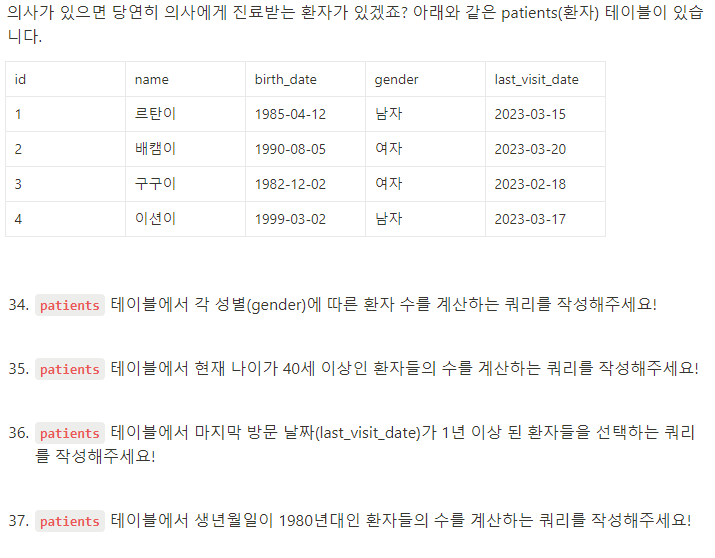
Select * from patients where substr(birth_date,2,2)=98;
상수가 많아 뭔가 야매처럼 보이지만 놀랍게도 아주 정석적이라는 생각을 가지며 풀었다.
실행 결과는 이러하다.
daum
연습문제 10번
Quary
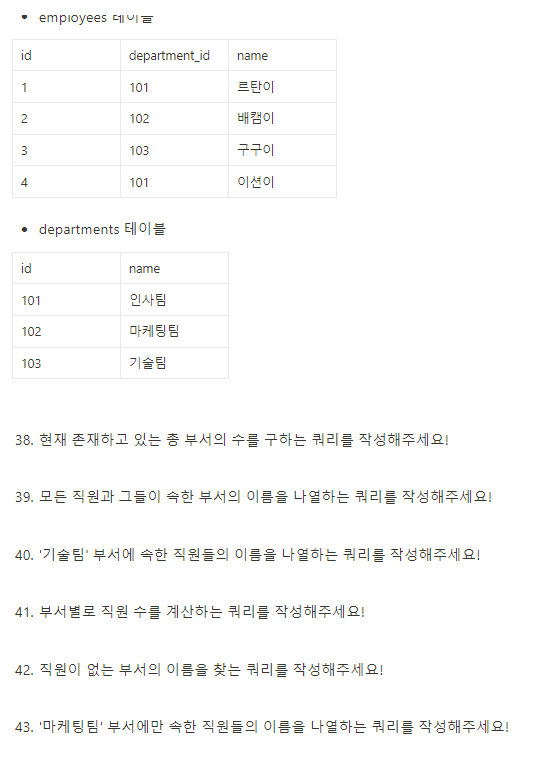
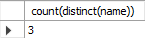
Select count(distinct(name)) from departments;
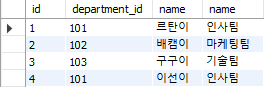
Select e.*, d.name from employees e left join departments d on e.department_id=d.id;
Select e.name from employees e left join departments d on e.department_id=d.id where d.name='기술팀';
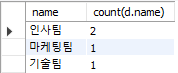
Select d.name, count(d.name) from employees e left join departments d on e.department_id=d.id group by 1 ;
Select name from(Select d.name, count(d.name) cnt from employees e left join departments d on e.department_id=d.id group by 1 ) a where cnt=0;
Select e.name from employees e left join departments d on e.department_id=d.id where d.name='마케팅팀'
실행 결과s
연습문제 LAST
table
CREATE TABLE products (
    id INT primary key,
    name VARCHAR(50),
    price INT
);
INSERT INTO products (id, name, price) VALUES
(1, '랩톱', 1200),
(2, '핸드폰', 800),
(3, '타블렛', 400);
CREATE TABLE orders (
    id INT primary key,
    product_id INT,
    quantity INT,
    order_date DATE
);
INSERT INTO orders (id, product_id, quantity, order_date) VALUES
(101, 1, 2, '2023-03-01'),
(102, 2, 1, '2023-03-02'),
(103, 3, 5, '2023-03-04'),
(104, 1, 2, '2023-03-05'),
(105, 1, 1, '2023-03-06'),
(106, 2, 5, '2023-03-07');
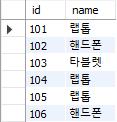
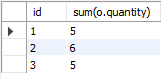
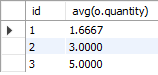
확실한 검산을 위해 임의의 데이터를 추가했다.
quarySelect o.id, p.name From products p join orders o on p.id=o.product_id; Select p.id, p.price*sum(o.quantity) From products p join orders o on p.id=o.product_id group by 1 order by 2 desc limit 1; Select p.id, sum(o.quantity) from products p join orders o on p.id=o.product_id group by 1; select p.name From products p join orders o on p.id=o.product_id where o.order_date>'2023-03-03'; Select p.name From products p join orders o on p.id=o.product_id group by 1 order by sum(o.quantity) desc limit 1; Select p.id, avg(o.quantity) From products p join orders o on p.id=o.product_id group by 1; Select pi, pn from( Select p.id pi, p.name pn, sum(quantity) s From products p join orders o on p.id=o.product_id group by 1 ) a where s=0 or s is null;실행 결과는 다음과 같다.











✔ SQL 실전문제 1번~풀기
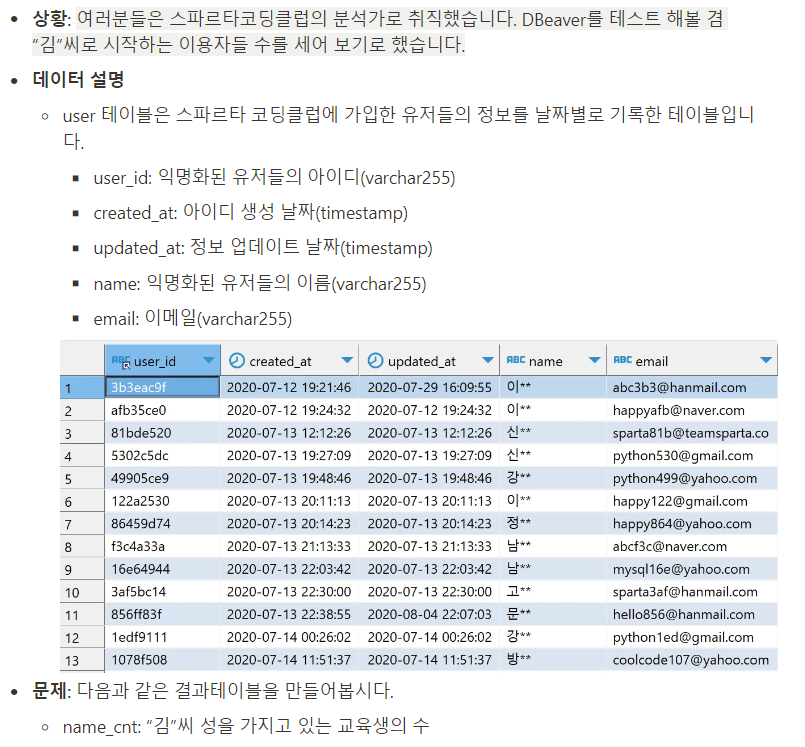
실전문제 1번
어떤 이유에서인지 난이도가 하락했다.
게다가 데이터도 강의 때 썼던 데이터이기 때문에 귀찮게 추가할 필요가 없어졌다.
답은 다음과 같다.SELECT count(1) from users where SUBSTR(name,1,1)='김';너무 쉬워서 발가락으로 풀어버렸다.
쉬운 문제들은 빠르게 빠르게 넘어가기 위해 문제와 답만 적고 넘어갈 생각이다.
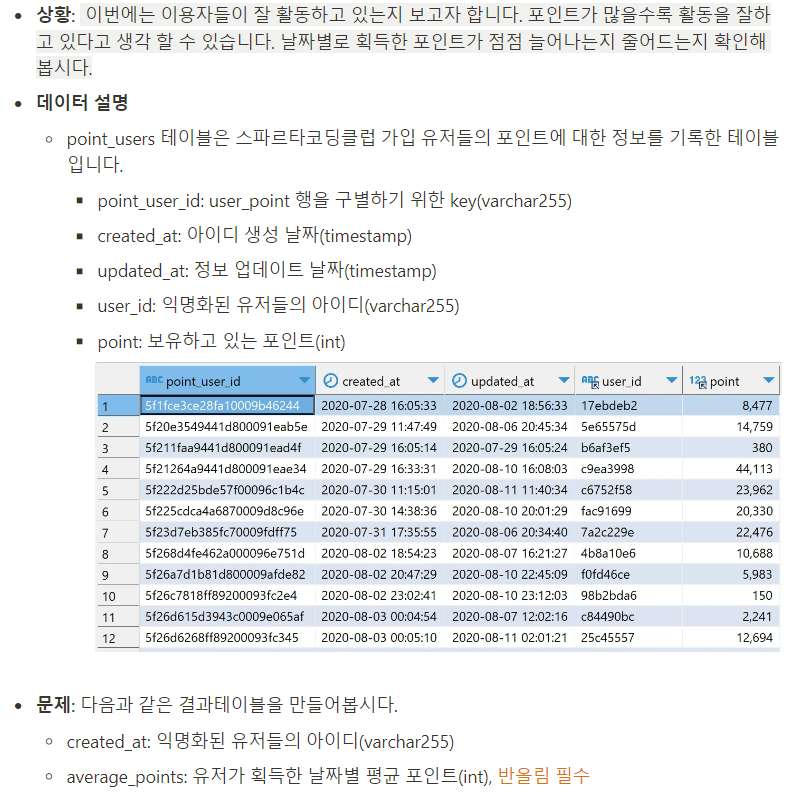
실전문제 2번
Select date(created_at) created_at, round(avg(point)) average_points from point_users group by 1;
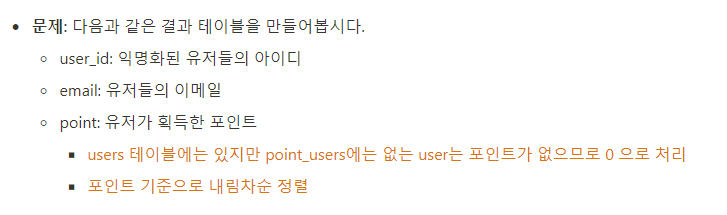
실전문제 3번문제가 너무 긴 관계로 핵심만 가지고 왔다.
  Select u.user_id, u.email, coalesce(p.point,0) as point
  from users u left join point_users p on u.user_id = p.user_id order by p.point desc;
#마치며
오?늘은 참... TIL도 날아가고 밤도 새고 이래저래 피곤한 날이었던 것 같다.
그래도 진도 쭉 빼서 나름 만족하지만 그럴수록 설렁설렁 넘어가지 않게끔 기본기도 다시 다질 필요가 있어보인다.

강세민