📁버블 정렬
두 인접한 데이터의 크기를 비교해 정렬하는 방법으로 시간복잡도는 O(n²)이지만, 간단하게 구현할 수 있어 자주 사용한다.
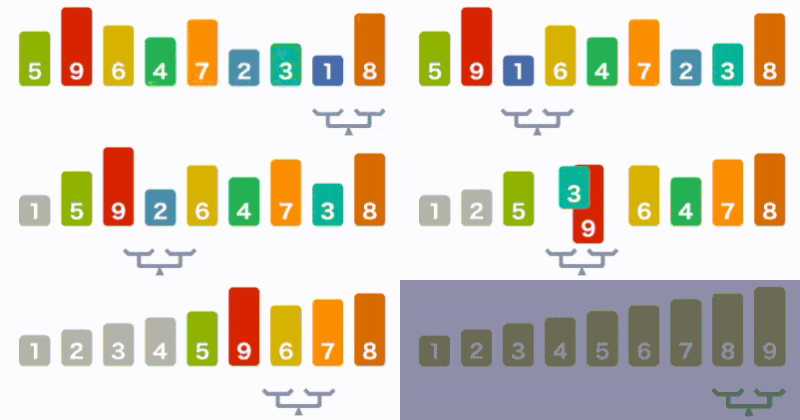
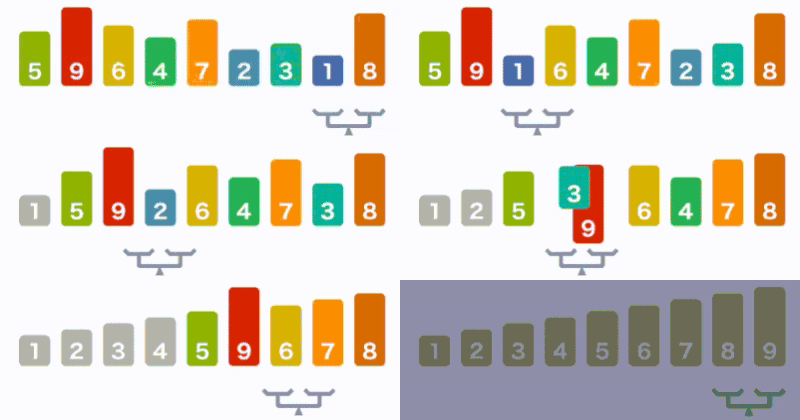
1️⃣ 버블 정렬의 과정
이미지 출처: algorithm.wiki
- 앞에서부터 인접한 데이터 값을 비교한다.
- 현재 데이터와 다음 데이터를 비교한다.
- 만약 다음 데이터가 더 작다면 위치를 바꾸고 아니라면 그대로 둔다.
- 다음 데이터로 이동하여 값을 비교한다.
public class Main {
	public static void main(String[] args) {
		int[] arr = new int[] {5, 4, 1, 3, 2};

     	arr = bubbleSort(arr);

        System.out.println(Arrays.toString(arr));
	}

	static int[] bubbleSort(int[] arr) {
		for(int i = 0; i < arr.length - 1; i++) {
			for(int j = 1; j < arr.length - i; j++) {
				// 앞 인덱스 데이터와 뒷 인덱스 데이터와 비교해서 앞이 더 크면 위치 변경
				if(arr[j] < arr[j-1]) {
					int tmp = arr[j-1];
					arr[j-1] = arr[j];
					arr[j] = tmp;
				}
			}
		}
	}
}
2️⃣ 버블 정렬 정리
-
제자리 정렬(In-Place Sort)이다.
- 입력 배열 내에서 정렬이 수행되므로 별도의 추가 메모리가 필요하지 않는다.
-
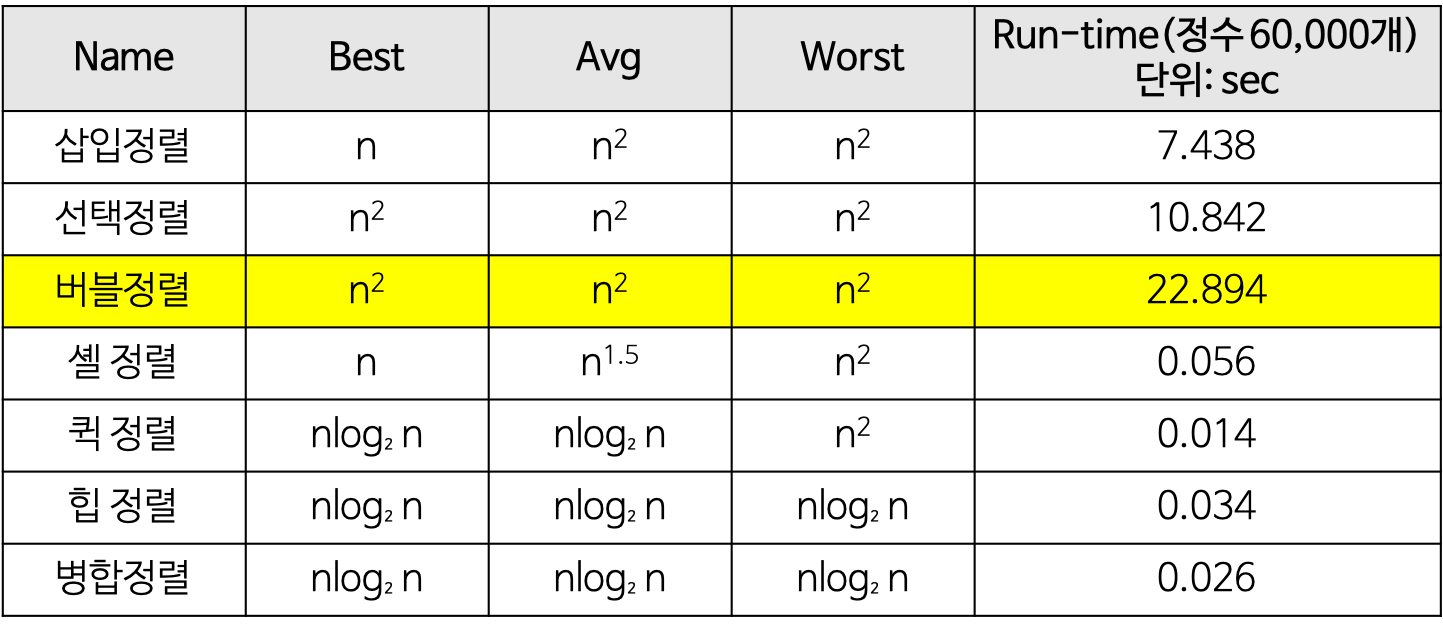
버블 정렬은 간단한 만큼 빠른 속도로 수행되지 않아 효율적으로 알고리즘을 짜야하는 경우에는 거의 사용되지 않는다.
3️⃣ 정렬 알고리즘 시간복잡도 비교
4️⃣ 버블 정렬 코딩테스트 예제

📌 문제 탐색하기
🌝 입력
- N개의 수가 주어진다. (1 <= N <= 1,000)
- N개의 줄에 수가 주어진다. 이 값은 절댓값이 1,000보다 작거나 같은 정수이고 중복되지 않는 값이다.
🌑 출력
첫째 줄부터 N개의 줄에 오름차순으로 정렬한 결과를 한 줄에 하나씩 출력한다.
🕔 시간제한
1초
🚨 접근
버블 정렬을 활용해 정렬해보자.
- Java에서 제공하는 정렬을 하면 되지만 버블 정렬 공부를 위해 버블 정렬을 통해 정렬을 해보자.
🙆♂️ 가능한 시간복잡도
시간 초과는 고려할 사항이 아니다.
- N이 1,000개이기 때문에 이중으로 반복을 수행해도 1,000,000이기 때문에 시간 초과를 생각해야할 문제는 아니다.
📌 문제 풀이
- N개의 수를 배열에 담는다.
- 버블 소트를 이용해 N개의 수를 정렬한다.
📌 정답 코드
import java.util.*;
import java.io.*;

public class Main {
	public static void main(String[] args) throws Exception {
		BufferedReader br = new BufferedReader(new InputStreamReader(System.in));

		int n = Integer.parseInt(br.readLine());
		int[] arr = new int[n+1];
		for(int i = 1; i < n+1; i++) {
			arr[i] = Integer.parseInt(br.readLine());
		}

		bubbleSort(n, arr);

        StringBuilder sb = new StringBuilder();
        for(int i = 1; i < n+1; i++) {
            sb.append(arr[i]).append("\n");
        }
        System.out.println(sb);
	}

	static void bubbleSort(int n, int[] arr) {

		for(int i = 1; i <= n+1; i++) {
			for(int j = 1; j <= n-i; j++) {
				if(arr[j] > arr[j+1]) {
					int temp = arr[j];
					arr[j] = arr[j+1];
					arr[j+1] = temp;
				}
			}
		}
	}
}