The Role of Technology in Revolutionizing Transporter Operations: TMS and Fleet Optimization
Think about the complex systems that keep our daily lives running, fresh produce reaching stores, parts arriving at factories, or online orders landing at our doorsteps. It’s all made possible by carefully planned, but often invisible, transportation networks.
As global expectations shift toward greater speed, real-time visibility, and flawless precision, traditional systems and manual processes are being stretched to their limits.
This shift brings both pressure and potential for the people who keep everything moving: transporters, fleet owners, and 3PL providers, the real engineers of modern transportation and logistics networks. But many still rely on outdated methods, scattered data, reactive firefighting, and gut instincts instead of digital intelligence.
To navigate this new reality, the old playbook simply won’t work anymore. The future of robust and reliable supply chains hinges on a fundamental reengineering of transport operations. This blog uncovers precisely how technology is revolutionizing transporter operations, empowering them to build the resilient, responsive, and utterly precise logistical infrastructure that the modern world demands.
Key Challenges Transporters Face
Transporters are the backbone of logistics. Yet, they often face a unique set of challenges that affect service quality, efficiency, and profitability. Despite rising demand and increasing digitalization across the supply chain, transporter operations remain bogged down by inefficiencies that can and should be addressed through smarter digital platforms, such as dispatch and scheduling software and route optimization software for logistics.
Custom TMS solving major transportation challenges
Manual Processes Leading to Delays and Errors
Many transporters still handle bookings, dispatches, and trip records using paperwork and disconnected workflows. Key details like delivery times, vehicle availability, or trip costs are often jotted down in logbooks or typed into spreadsheets. These tools don’t offer real-time updates or easy collaboration.
This outdated method slows down daily tasks and increases the chance of errors, like duplicate entries, wrong addresses, or missing documents. Without a single digital system, it’s hard to coordinate between drivers, fleet managers, and clients. This often leads to late dispatches and missed service slots.
It also makes scaling tough. When everything runs on manual coordination, even a small spike in workload can cause delays, confusion, and miscommunication.
Lack of Real-Time Tracking and Customer Communication
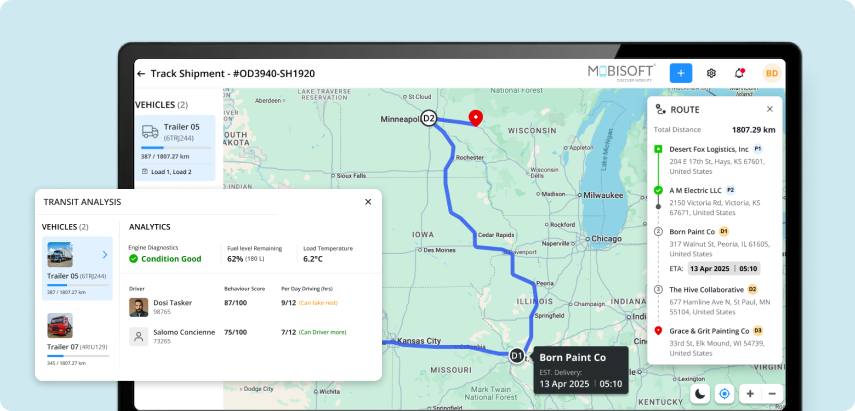
Real-time analytics for logistics and transport management
Today’s customers want to know exactly where their shipments are. But many transporters don’t have the tools to offer real-time updates or track vehicles accurately, especially without cloud-based transportation management systems that offer GPS visibility and event-based alerts.
Without GPS or digital communication tools, they rely on calls and messages to get shipment updates. This takes time and often leads to mixed or delayed information.
As a result, transporters get constant calls from clients asking, “Where is my load?” Delays or route changes usually go unnoticed until they become serious issues. The lack of real-time visibility breaks customer trust and puts pressure on teams to manually trace every shipment.
Inefficient Fleet and Driver Management
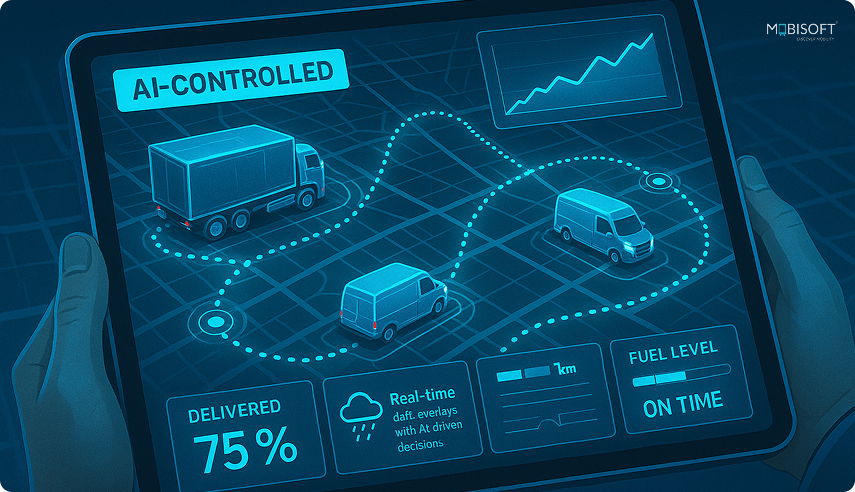
AI-powered fleet management for predictive logistics
Running a fleet means more than just sending vehicles out. It includes tracking fuel use, planning maintenance, checking permits, and managing driver shifts and behavior.
When these tasks are handled separately or manually, things slip through the cracks. Vehicles may sit idle because of poor scheduling or surprise breakdowns. Drivers may be underworked or overworked. This drives up costs and lowers profits per vehicle.
Managing drivers is also tricky. Without clear performance tracking, it’s hard to reward reliable drivers or guide those who fall short. This leaves a big gap in overall efficiency and service quality.
Difficulty Managing Multiple Contracts and Rates
Transporters often handle many customers, each with their respective contracts, rate cards, and service terms. It's easy to feel overwhelmed with all this information in manual mode, leading to billing errors, lost charges, or delayed payments. Here, tools such as e-invoicing and reconciliation systems can automate rate logic and invoice processing with accuracy.
Without a master system to track rate changes and special terms, it is far too easy to fall back on stale pricing or forget billing for extra charges like waiting time or return trips. When errors do occur, sorting them all out takes time, disrupts cash flow, and even strains client relationships.
This fragmented system also complicates being able to react quickly to new trip opportunities or spot rate situations when they occur. In contrast, a better integrated digital system allows transporters to clearly understand pricing and react with confidence.
Challenges in Ensuring Compliance and Documentation Accuracy
Compliance is necessary in transport, especially where it entails interstate movement, regulated goods, or value shipments. An entire list of documents has to be up to date and available, from lorry receipts and permits to insurance and road tax papers. Using a carrier onboarding and compliance tool helps simplify these requirements by tracking everything in one system.
When they are stored in physical files or scattered across many programs, it can be hard to access the appropriate document. If a car is delayed at a checkpoint or subjected to an audit, the time caused by incomplete paperwork can result in penalties or even vehicle detention.
Having to do it manually is an administrative waste of time and invites the possibility of error. A computer-based system, however, simplifies it for them, offering easy document updating, tracking of expiration dates, and immediate sharing, keeping transporters in compliance without the added stress.
How Technology Transforms Transporter Operations
The transportation business has always been run on paper records, phone calls, and instincts. However, the economy today wants speed, agility, and transparency, something that is possible with technology at scale. New tools and platforms enable transporters to drive their business, automate routine tasks, and react quickly to customer demands by using international transport automation software.
Let’s explore how specific technologies transform core aspects of transporter workflows:
Dispatchers no longer need to manage phone calls and paper tickets. They can see available vehicles, assign loads with a click or two, and alert drivers directly using mobile apps. Orders can be accepted and declined rapidly, and priority trips can be automatically flagged for better scheduling.
Most significantly, this centralization simplifies paperwork, enhances accuracy, and accelerates turnaround times, enabling transporters to move more loads in the same equipment.