Top Features to Look for in Power Distribution Cable Cleats
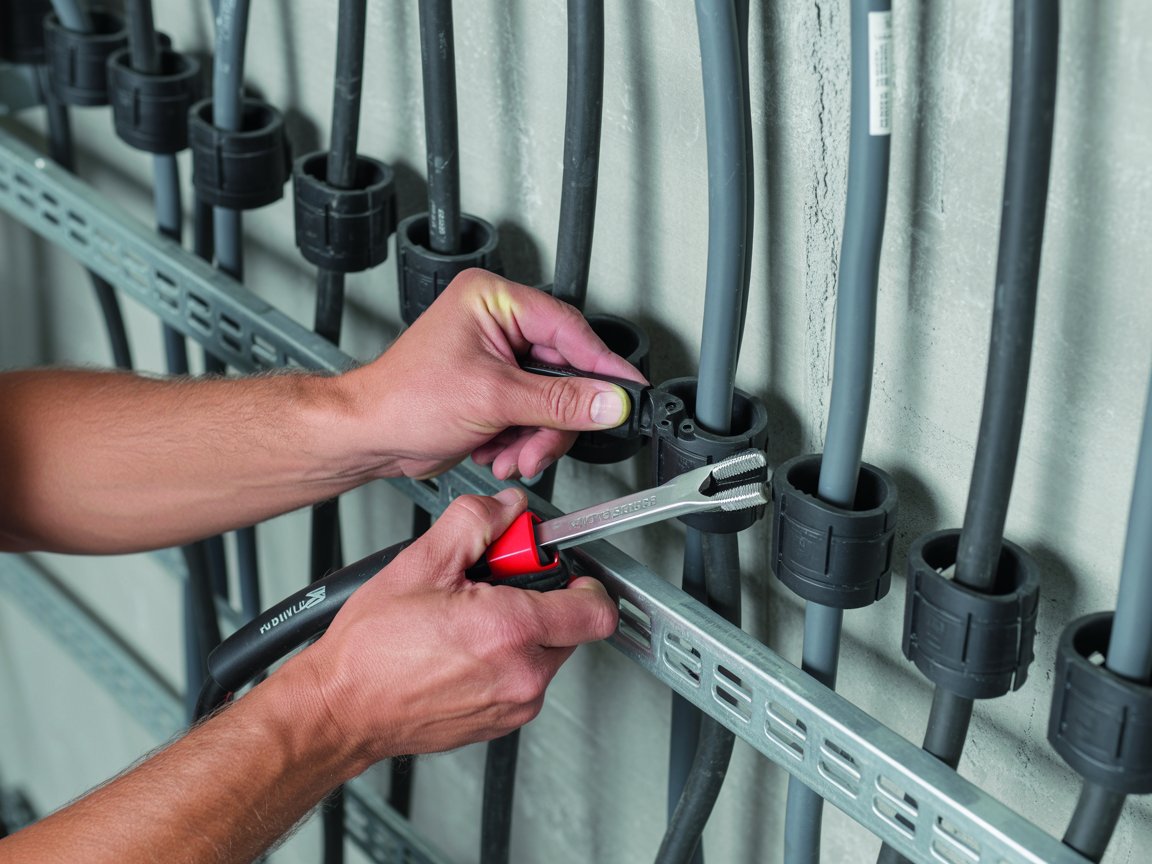
Power Distribution Cable Cleats securely fix and restrain cables in trays, ladders, and risers. They prevent dangerous movement caused by electromagnetic forces during short circuits. The top features include full IEC 61914 compliance, high short-circuit withstand ratings, durable corrosion-resistant materials, precise sizing for cable diameter and formation, and proper Cable Cleat Installation practices. These ensure safety, reduce downtime, and protect infrastructure in substations, industrial plants, and renewable energy projects.
Why Cable Cleats Matter in Power Distribution Systems
In modern electrical installations, cables face immense mechanical stresses. During a short-circuit event, peak currents generate powerful lateral and axial forces that can whip, bend, or damage cables. Without proper restraint, this leads to insulation failure, fires, equipment damage, and costly outages.
Power Distribution Cable Cleats provide the necessary fixing and retention. They maintain cable formation, control movement, and absorb forces until protective devices trip. IEC 61914-tested cleats offer verified performance, giving engineers confidence in high-fault-level environments. Industries such as oil & gas, utilities, data centers, and renewables rely on them to meet safety standards and minimize risks.
Proper selection and Cable Cleat Installation directly impact system reliability. Experts note that correctly installed cleats can prevent catastrophic failures. For instance, in facilities with fault levels exceeding 50kA, inadequate cleating has caused extensive cable replacement and weeks of downtime.
Understanding the IEC 61914 Standard
IEC 61914 is the global benchmark for cable cleats. First published in 2009 and updated in 2021, it defines requirements and test methods for securing cables and resisting electromechanical forces.
Key tests include:
Lateral and axial load withstand at maximum declared temperature
Impact resistance at minimum temperature
Resistance to flame propagation, UV, and corrosion
Short-circuit electromechanical force testing
Temperature range performance
Cleats are classified by material, temperature rating, and ability to withstand one or multiple short circuits. Compliance allows fair comparison between products and helps meet broader codes like NEC 392.20(C). Always choose third-party verified IEC 61914 cleats for critical power distribution applications.
Material Selection for Durability and Performance
Material choice determines long-term reliability in specific environments.
Aluminium cleats offer excellent strength-to-weight ratio and good corrosion resistance. They suit a wide temperature range, typically -60°C to +120°C or higher, and work well for single-core and trefoil formations in indoor and moderate outdoor settings. Their lightweight nature simplifies Cable Cleat Installation on long runs.
Stainless Steel (316L) provides superior corrosion and fire resistance. Rated up to +250°C or more, these cleats excel in harsh marine, chemical, or high-temperature environments. They maintain integrity during fires and resist UV degradation.
Polymeric and composite cleats are non-conductive, lightweight, and cost-effective. Advanced halogen-free, low-smoke versions offer UV stability and flame resistance for indoor or less aggressive outdoor use. They reduce galvanic corrosion risks when mounting to dissimilar metals.
Many cleats include soft liners or pads to protect cable jackets from abrasion while improving grip. Consider environmental factors: coastal sites need marine-grade stainless, while chemical plants demand specific resistance properties.
Short Circuit Resistance and Mechanical Performance
Short-circuit protection is the most critical feature. Cleats must withstand peak forces occurring in the first milliseconds before breakers operate.
Select cleats rated for your system's prospective fault current (e.g., 50kA, 100kA+). IEC 61914 testing verifies performance with defined cable formations and spacing. Trefoil formation is preferred for three-phase single-core cables as it balances magnetic forces.
Spacing is crucial. Typical recommendations limit to 900mm for trefoil in high-fault scenarios, with tighter spacing (300mm) at bends, risers, and direction changes to prevent bird-caging. Vertical runs require additional axial load consideration due to cable weight.
Real-life example: A major substation upgrade with 63kA fault level used aluminium trefoil cleats spaced at 600mm. During a fault event, cables remained secure, avoiding damage that could have cost hundreds of thousands in repairs and lost production.
Cable Cleat Installation Best Practices
Correct Cable Cleat Installation maximizes performance. Follow these steps:
Planning and Selection: Match cleat size to exact cable outer diameter and formation (single, trefoil, quad). Calculate required spacing using fault current, cable diameter, and manufacturer data or IEC methods.
Surface Preparation: Ensure trays or ladders are clean, aligned, and rated for the load. Use compatible fixings to avoid galvanic corrosion.
Positioning: Install cleats at recommended intervals. Place extra cleats near terminations, bends, and supports.
Torque and Fixing: Apply manufacturer-specified torque. Over-tightening damages insulation; under-tightening allows slippage. Use locking mechanisms where vibration is present.
Cable Formation: Maintain consistent trefoil or flat formations throughout runs for optimal force control.
Inspection and Maintenance: Visually check for corrosion, tightness, and damage annually or after significant events. Replace compromised cleats promptly.
Professional installers emphasize training. Incorrect installation is a leading cause of cleat failure. Use hinged or tool-free designs where possible to speed up work while maintaining security.
Additional Critical Features to Evaluate
Beyond core mechanical properties, consider:
Temperature Rating: Must cover operating extremes including solar gain on outdoor installations.
Load Capacity: Axial retention for vertical drops and lateral strength for horizontal trays.
Environmental Resistance: UV, chemical, and flame performance tailored to site conditions.
Ease of Installation and Adjustment: Features like ratchet or hinged mechanisms reduce labor time.
Certifications and Traceability: Look for independent lab reports and clear marking per IEC 61914.
Vibration and Seismic Performance: Enhanced designs for areas prone to movement.
Integrating these ensures Power Distribution Cable Cleats deliver long service life, often exceeding 25-30 years in proper conditions.
Expert Insights and Industry Statistics
Electrical engineers stress early specification. "Choosing cleats after cable installation often leads to compromises," notes one utility consultant. Industry reports indicate that short-circuit related cable damage accounts for significant portion of unplanned outages in aging infrastructure.
Renewable projects, with long cable runs from wind turbines or solar arrays, particularly benefit from robust cleating. One offshore wind farm case study showed stainless steel cleats preventing movement in extreme weather, maintaining uptime.
Conclusion and Key Takeaways
Selecting the right Power Distribution Cable Cleats requires balancing IEC 61914 compliance, material suitability, short-circuit ratings, and precise Cable Cleat Installation. Prioritize verified performance, correct sizing, and regular inspection to safeguard your electrical assets.
Key takeaways:
Always demand IEC 61914 certification.
Match materials to environment and fault levels.
Follow calculated spacing and torque guidelines.
Invest in quality to prevent expensive failures.
Consult experienced manufacturers or engineers for project-specific recommendations. Contact specialists today for technical support, calculations, and supply of high-performance cable cleats.
FAQs
What are Power Distribution Cable Cleats?
Devices designed to fix, support, and restrain power cables against operational and short-circuit forces.
How important is IEC 61914 for cable cleats?
It is the definitive standard defining testing for mechanical strength, short-circuit withstand, and environmental resistance.
What is the best material for outdoor cable cleats?
Stainless steel 316L or high-grade aluminium for superior corrosion and temperature resistance.
How do you calculate cleat spacing?
Using IEC 61914 methods based on peak short-circuit current, cable formation, diameter, and cleat rating.
Can cable cleats be reused?
Yes, if undamaged after inspection and installed with correct torque.
What formation is best for single-core cables?
Trefoil formation effectively minimizes electromagnetic forces.
How often should cable cleats be inspected?
At least annually and after any major fault or maintenance event.