How to Choose a Trusted Stainless Steel Cable Cleat Supplier
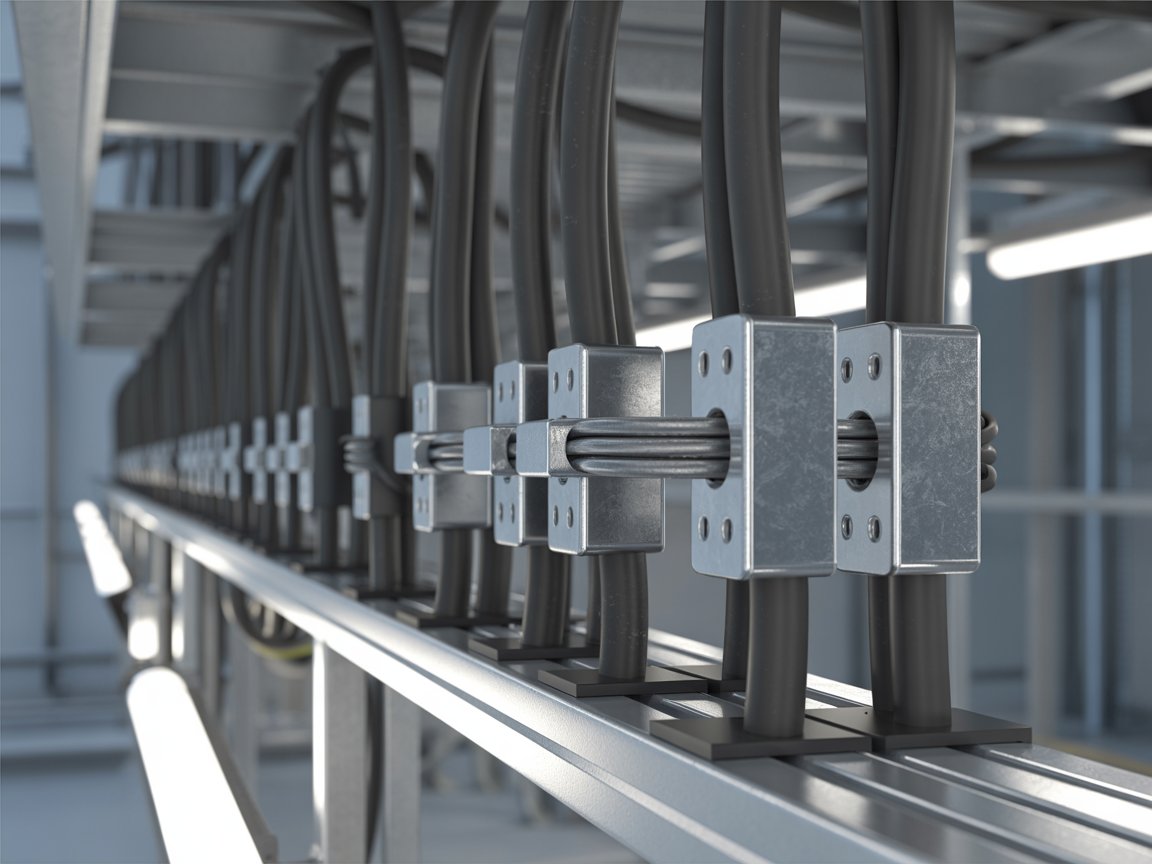
Choosing a trusted stainless steel cable cleat supplier ensures secure cable management and protection during short circuits. Prioritize suppliers with IEC 61914 certification, proven track records, and high-quality 316-grade stainless steel for corrosion resistance.
Stainless steel cable cleats secure cables on trays and ladders, preventing damage from electromagnetic forces in faults. Proper selection reduces risks in industrial, data center, and power projects.
Why Stainless Steel Cable Cleats Matter
Stainless steel cable cleats withstand harsh environments, offering superior strength and longevity. They handle peak fault currents up to 120kA or higher.
Statistics show inadequate cable support causes up to 20% of electrical failures in high-voltage setups. In data centers, poor management leads to overheating and downtime. Stainless steel excels in corrosive or outdoor settings, unlike basic materials.
Real-life example: A coastal power plant switched to certified stainless steel cleats, cutting maintenance costs by 35% over five years due to rust resistance.
Key Factors in Selecting a Stainless Steel Cable Cleat Supplier
Certifications and Compliance
Verify IEC 61914, UL, or DNV approvals. These ensure cleats pass short-circuit, corrosion, and fire tests.
Material Quality and Durability
Opt for 316L stainless steel with optional coatings. Check tensile strength and UV resistance for long-term performance.
Product Range and Customization
Reliable suppliers offer single, trefoil, and quad cleats for various cable diameters and formations. They provide custom solutions for unique cable cleat installation needs.
Experience and Expertise
Choose suppliers with 10+ years in cable management. Expert insights include load ratings and spacing calculations per standards.
Customer Support and Technical Assistance
Top suppliers deliver installation guides, calculators, and on-site support for flawless cable cleat installation.
Reputation and Reviews
Review case studies and testimonials from large infrastructure projects. Avoid unverified low-cost options risking safety.
Supply Chain Reliability
Ensure consistent stock and fast delivery to minimize project delays.
Steps to Evaluate and Choose the Right Supplier
Define project requirements: cable size, voltage, environment, and short-circuit ratings.
Research suppliers via industry directories and comparisons.
Request samples and test reports for stainless steel cable cleats.
Compare quotes balancing cost with quality—cheapest often fails under stress.
Verify references from similar installations.
Assess after-sales service for maintenance and replacements.
Following these ensures optimal cable cleat installation and system reliability.
Understanding Cable Cleat Installation Best Practices
Proper cable cleat installation maximizes benefits. Measure cable diameters accurately and select matching cleats.
Space cleats per manufacturer guidelines—typically 300mm on bends. Secure firmly without over-tightening to avoid cable damage. Use correct tools for stainless steel hardware.
In vertical risers, additional supports prevent slippage. Post-installation inspections catch issues early. Expert tip: Train teams on IEC standards for consistent results.
Example: An offshore platform improved safety by standardizing installation, reducing fault-related incidents significantly.
Benefits of Partnering with a Trusted Supplier
Enhanced safety during short circuits.
Compliance with NEC and international codes.
Reduced long-term costs through durability.
Expert guidance for complex projects.
Stainless steel options provide fire resistance and mechanical strength essential for modern electrical infrastructure.
Common Mistakes to Avoid
Ignoring certifications.
Mismatching cleat size to cables.
Overlooking environmental factors like corrosion.
Choosing suppliers without technical support.
Avoiding these prevents costly failures and ensures reliable cable management.
Expert Insights on Stainless Steel Cable Cleats
Industry professionals emphasize testing data over marketing claims. Short-circuit ratings must match system demands. For high-fault areas, reinforced stainless steel assemblies are critical.
Engineers recommend coated variants for extreme conditions. Real projects demonstrate that quality cleats extend cable life by 50% or more.
Conclusion and Key Takeaways
Selecting a trusted stainless steel cable cleat supplier involves certifications, quality, experience, and support. Focus on these for safe, efficient cable cleat installation.
Key takeaways:
Prioritize IEC-certified 316 stainless steel.
Match products to project specs.
Verify supplier reputation and service.
Follow best installation practices.
Ready to secure your next project? Contact certified stainless steel cable cleat suppliers today for samples and expert consultation. Invest in quality for lasting electrical safety.
FAQs
What is a stainless steel cable cleat?
A device to secure and support cables, preventing movement during faults.
Why choose stainless steel for cable cleats?
It offers excellent corrosion resistance and strength in demanding environments.
How do I install stainless steel cable cleats?
Measure cables, space per guidelines, secure firmly, and inspect regularly.
What certifications should a supplier have?
IEC 61914, UL, or DNV for proven performance.
How much do stainless steel cable cleats cost?
Varies by type and volume; quality options justify investment through durability.
Can stainless steel cleats be used outdoors?
Yes, especially coated versions for superior weather resistance.
What makes a supplier trusted?
Certifications, experience, test reports, and positive project references.
https://shop.nasco-corp.com/cable-cleats/
https://nasco-corp.com/cable-cleats/