Choosing the Right Hotel PMS Based on Your Property Size — A Strategic Guide for 2025
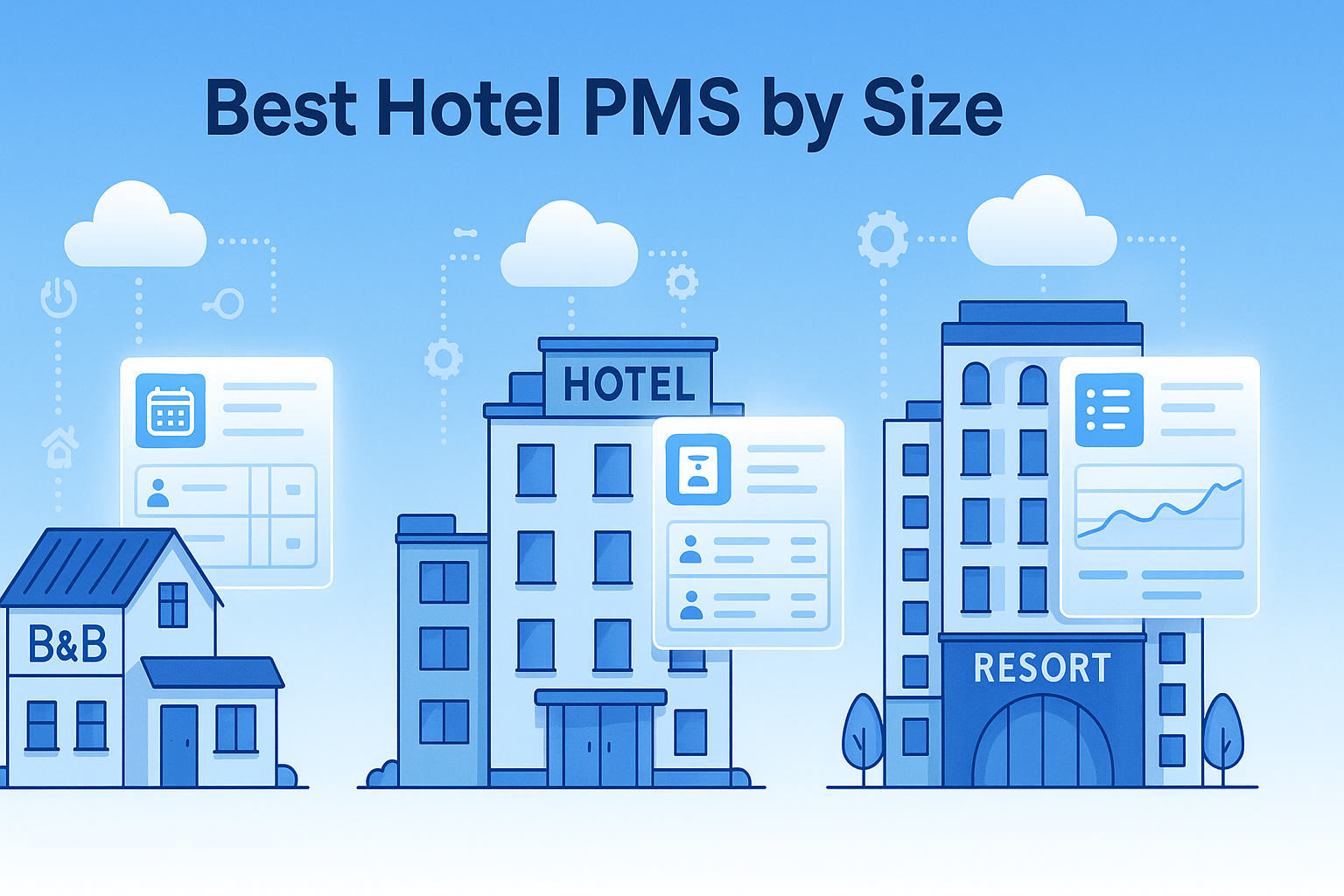
In the fast-evolving world of hotel tech, your Hotel Property Management System (PMS) acts as the command center. From real-time booking sync to housekeeping automation and guest experience personalization, the PMS you choose impacts nearly every function.
But here’s the catch:
Not all PMS solutions are built for every hotel size.
So how do you make the right decision in 2025?
Let’s break it down logically—like choosing a framework that fits your app architecture.
✅ Why Hotel PMS is Core to Modern Hospitality
Imagine running a hotel without a dashboard, APIs, or automation. Manual check-ins, spreadsheet-based inventory, no channel integrations—chaos. A good PMS brings:
- Centralized operations
- Reduced manual dependency
- Better guest data management
- Seamless integration with external systems (OTAs, CRM, etc.)
🧩 For Small Hotels and B\&Bs (Under 50 rooms)
Your priorities:
- Cost-efficiency
- Quick setup
- Easy UI for non-tech teams
Must-have features:
- Mobile dashboard
- Channel manager for OTA sync
- Payment integrations
- Email confirmations & auto-cancellations
🏨 For Mid-Scale Hotels (50–200 rooms)
Now you need more than a basic system. Your PMS should offer:
- Departmental role management
- Revenue management features
- Housekeeping automation
- Multi-device support
- API-based plugin support (POS, CRM, etc.)
🎯 Mid-size hotels benefit from modular PMS platforms with integrated analytics and guest profiling.
🏢 For Large Hotels & Groups (200+ rooms or multi-property)
Here’s where enterprise-grade software becomes necessary. These setups often mirror SaaS-level infrastructure.
Look for:
- Multi-property and multi-language support
- Centralized booking dashboard
- Advanced reporting and forecasting tools
- Loyalty system integration
- Uptime SLAs and data security compliance
- Custom API endpoints for third-party ecosystem
📊 Bonus: Enterprise PMS platforms often include data lakes or connectors to BI tools.
🚀 PMS Trends to Watch in 2025
The PMS of today isn’t just backend software—it’s an intelligent interface between hotel operations and customer experience.
Trends gaining traction:
- AI-powered guest messaging
- Self-check-in kiosks
- Real-time dynamic pricing tools
- Contactless operations via mobile apps
- Smart room IoT sync (lights, HVAC, access control)
👁️ Think of PMS as part of a microservices-based hotel tech stack.
🧠 Tech Evaluation Checklist
Before you onboard a PMS, ask:
- Is it cloud-native and mobile-responsive?
- Does it support REST APIs for custom integrations?
- Can it handle multi-property logic?
- Does it support integrations with CRM, POS, and accounting software?
- Is data encrypted and GDPR/PCI-compliant?
🧪 Real-World Examples
{
  "case_1": {
    "hotel_size": "35-room eco-lodge",
    "outcome": "Automated booking workflows and increased OTA bookings by 23%"
  },
  "case_2": {
    "hotel_size": "150-room city hotel",
    "outcome": "Integrated AI chatbot with PMS, improving guest CSAT by 32%"
  },
  "case_3": {
    "hotel_size": "Chain of 5 hotels",
    "outcome": "Centralized PMS reduced cross-property management time by 28%"
  }
}
🎯 Conclusion
Choosing the right PMS isn’t about buying the biggest system—it’s about finding a solution aligned with your hotel size, complexity, and growth goals.
Want a more detailed breakdown?
Read the full guide : Choosing the best PMS for your hotel size

Choosing the right hotel property management system is crucial for optimizing operations and guest experiences. For hotels looking to extend these capabilities to mobile, partnering with experts in hotel mobile app development ensures seamless integration, intuitive design, and a smooth booking experience for guests.