Healthcare software development: Trends, practices, and future outlook
The healthcare industry has always been one of the most important sectors in society, and digital transformation is reshaping it at an impressive speed. From electronic health records (EHR) to telemedicine platforms, software solutions are now essential to improve patient care, streamline hospital operations, and ensure better data security. Healthcare software development is now a critical foundation for modern medical services.

1. Why healthcare software development?
The main driver behind healthcare software development is the growing demand for efficiency, accuracy, and accessibility. Traditional healthcare systems often suffer from outdated processes, manual record-keeping, and limited patient engagement.
Software solutions help solve these problems by:
- Improving patient experience through mobile apps, telehealth consultations, and digital scheduling.
- Enhancing clinical workflows by reducing paperwork and automating administrative tasks.
- Ensuring data security with advanced encryption and compliance with standards like HIPAA or GDPR.
- Supporting decision-making through AI-driven analytics that provide doctors with real-time insights.
In short, healthcare software development helps create a smarter, safer, and more patient-centric system.
2. What is happening today?
At present, the healthcare sector is undergoing massive digital adoption. According to global reports, investment in healthcare technology has increased significantly since the covid-19 pandemic, when telemedicine became a necessity.
Some of the most common types of healthcare software today include:
-
Electronic health records (EHR): digital platforms where patient data is securely stored and shared across departments.
-
Telemedicine apps: solutions that allow patients to consult doctors remotely.
-
Medical practice management systems: tools that streamline scheduling, billing, and resource management.
-
Healthcare analytics platforms: software that processes big data to detect patterns and improve treatment outcomes.
Despite these advances, challenges still remain. Issues such as interoperability between systems, user training, and the cost of implementation continue to slow down progress in many hospitals and clinics.
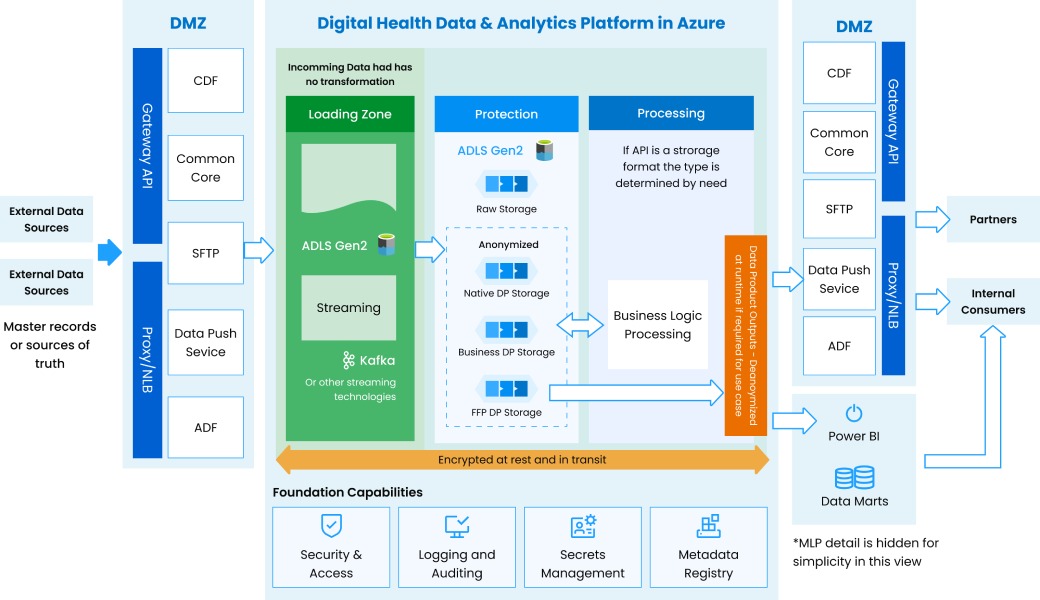
3. How is healthcare software developed?
Developing healthcare software is a complex process because it involves sensitive data and strict compliance requirements. A standard development approach often includes:
Discovery and planning
-
Identify the needs of patients, doctors, and administrators.
-
Define regulatory requirements (HIPAA, GDPR, HL7, FHIR, etc.).
Design and prototyping
-
Create user-friendly interfaces for patients and medical staff.
-
Ensure accessibility across devices (desktop, tablet, mobile).
Development and integration
-
Build core features such as patient records, scheduling, and billing.
-
Integrate with external systems like labs, pharmacies, or insurance providers.
Testing and compliance
-
Perform security testing to protect sensitive health data.
-
Validate compliance with medical standards.
Deployment and continuous improvement
-
Roll out the software in real hospital environments.
-
Collect feedback and continuously update features.
The agile methodology is often preferred in healthcare projects because it allows faster iterations and regular input from medical professionals. For organizations without an internal IT team, partnering with healthcare software development companies in Vietnam can be an effective way to manage compliance, integrate advanced technologies, and reduce development costs while maintaining high quality.
4. What about the future?
The future of healthcare software development looks promising. Key trends that will shape the industry include:
-
AI and ML: predictive analytics, early disease detection, and personalized treatment plans.
-
Wearable technology integration: smartwatches and health trackers feeding real-time data into healthcare platforms.
-
Blockchain for data security: ensuring transparent and tamper-proof medical records.
-
Virtual and augmented reality: helping with medical training, surgery simulations, and patient rehabilitation.
With these innovations, healthcare software will move beyond simple digitization and become a core enabler of preventive, personalized, and value-based care.
Healthcare software development is essential for hospitals, clinics, and health organizations that want to stay competitive and deliver better care. While challenges such as cost, compliance, and interoperability remain, the benefits of digital solutions far outweigh the obstacles.
In the future, as AI, wearable devices, and secure data systems continue to evolve, healthcare software will play an even greater role in saving lives and improving health worldwide.
Source from PowerGate Software

Great article! The insights on healthcare software development are spot on. As the industry continues to evolve, partnering with top AI healthcare software development companies can significantly enhance the implementation of AI-driven solutions. These companies specialize in creating customized, compliant, and scalable healthcare applications that improve patient care, streamline operations, and ensure data security. For organizations looking to integrate AI into their healthcare systems, collaborating with experienced development partners is crucial for success.