AI in Education: Enhancing Learning Through Technology
Education is evolving—and fast. The rise of technology has transformed how students learn, how teachers teach, and how institutions operate. At the forefront of this revolution is Artificial Intelligence (AI),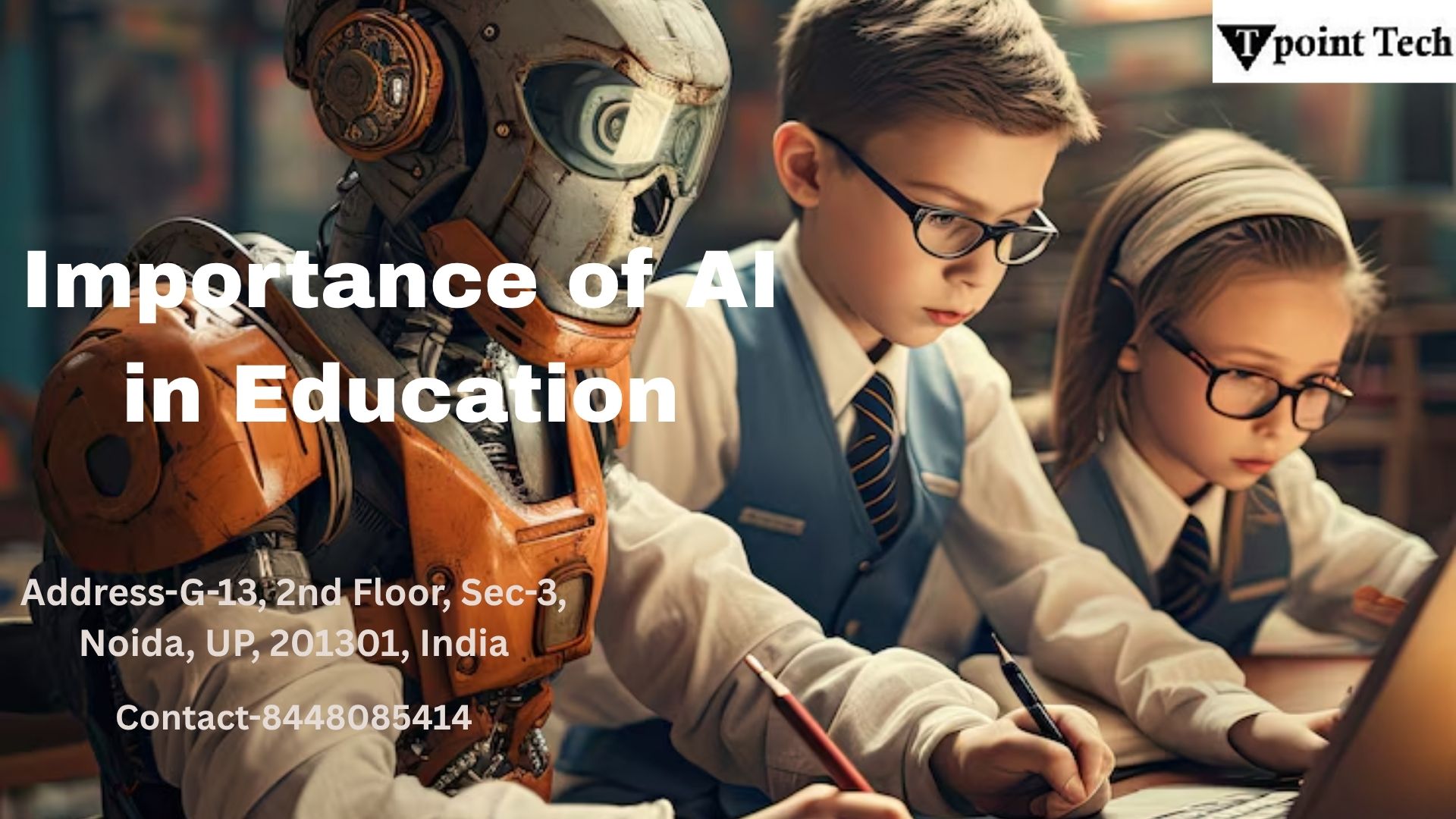
reshaping the traditional classroom into a dynamic, personalized, and more effective learning environment.
From smart tutoring systems to predictive analytics, AI in education is no longer a futuristic concept—it’s happening right now. And it’s enhancing learning experiences for millions around the globe.
What Is AI in Education?
At its core, Artificial Intelligence refers to machines or systems that mimic human intelligence. In the context of education, AI can analyze data, recognize patterns, and make decisions that help improve teaching and learning outcomes.
Imagine a tool that knows your strengths and weaknesses, tailors lessons just for you, and even predicts when you might need extra help. That’s AI in action. It supports both students and teachers by providing smarter, data-driven learning paths.
Personalized Learning for Every Student
One of the most exciting ways AI is transforming education is through personalized learning. Traditional classrooms often struggle to meet the unique needs of every student. AI helps bridge that gap.
Using data from student interactions—such as quiz results, time spent on tasks, and engagement levels—AI systems can create customized learning experiences. For instance, platforms like Squirrel AI in China or Carnegie Learning in the U.S. use AI algorithms to adapt lessons based on a student’s performance in real time.
This means struggling students get extra support, while advanced learners can move ahead—creating a more balanced and inclusive classroom.
Intelligent Tutoring Systems and Virtual Assistants
Imagine having a tutor available 24/7 who never gets tired. AI-powered tutoring systems do exactly that. These virtual assistants can answer questions, explain difficult concepts, and provide instant feedback—anytime, anywhere.
Apps like Duolingo and Khan Academy already use AI to guide users through lessons at their own pace. For students who may feel hesitant to ask questions in class, these tools offer a safe, judgment-free space to learn.
Teachers also benefit. AI takes over repetitive tasks like grading quizzes or answering routine questions, freeing educators to focus on what they do best: teaching and inspiring.
Data-Driven Insights for Educators
AI doesn’t just help students—it empowers educators with real-time insights into student performance and classroom dynamics.
For example, learning management systems (LMS) enhanced with AI can track student progress, identify learning gaps, and alert teachers before issues become serious. This allows for early intervention and targeted support.
AI also helps in curriculum development. By analyzing which materials are most effective, teachers can refine their approach and deliver lessons that truly resonate with their students.
Making Education More Accessible[
Another major importance of
AI in education lies in its ability to break down barriers to access. Students with disabilities can benefit greatly from AI tools. Speech recognition software helps students with dyslexia, while real-time translation tools support non-native speakers in multilingual classrooms.
In remote or underserved areas, AI-driven platforms bring quality education to students who may not have access to experienced teachers or advanced resources. Through mobile apps and virtual classrooms, AI is helping level the educational playing field.
Preparing Students for the Future
We’re not just using AI in the classroom—we’re also preparing students for a world where AI will be part of nearly every industry. Teaching students how to interact with and understand AI tools is a crucial skill for the future workforce.
By integrating AI into education today, we’re equipping young people with the digital literacy and critical thinking skills they’ll need tomorrow. It’s another reason why the importance of AI in education is only going to grow.
Challenges to Consider
Of course, integrating AI into education isn’t without its challenges. Concerns about data privacy, algorithmic bias, and the potential loss of human connection must be addressed thoughtfully.
AI should be seen as a complement to human teachers—not a replacement. Technology can support learning, but it’s the empathy, creativity, and personal connection that educators bring to the table that truly inspire students.
Ethical use of AI, transparency in data usage, and ensuring all students benefit—regardless of background—must remain central as AI becomes more embedded in education systems.
The Future of AI in Education
Looking ahead, AI’s role in education will only continue to expand. As systems become smarter and more intuitive, we can expect even deeper levels of personalization, increased accessibility, and more innovative teaching methods.
Educators and institutions that embrace AI today are not only improving current outcomes but are also laying the foundation for a more inclusive, effective, and future-ready educational system.
Final Thoughts
The classroom of tomorrow is already here—and it's powered by AI. By enhancing how we teach, how we learn, and how we connect, AI is creating a more responsive and engaging educational experience for everyone involved.
Whether it’s helping a student overcome a learning hurdle, providing a teacher with better tools, or opening doors for learners in remote communities, AI is proving to be one of the most powerful tools in modern education.
To truly unlock its potential, we must continue to invest in ethical, inclusive, and innovative AI solutions. Because when we do, we don’t just enhance learning—we transform lives.

Preparing for the Google Professional Chrome Enterprise Administrator (Chrome-Enterprise-Administrator) exam is a fantastic opportunity to showcase your expertise in managing Chrome browsers and devices in enterprise environments, and practice dumps can significantly boost your confidence.
https://www.dumpswrap.com/product-detail/chrome-enterprise-administrator.html