How to Choose Real-Time Manufacturing Tracking Software
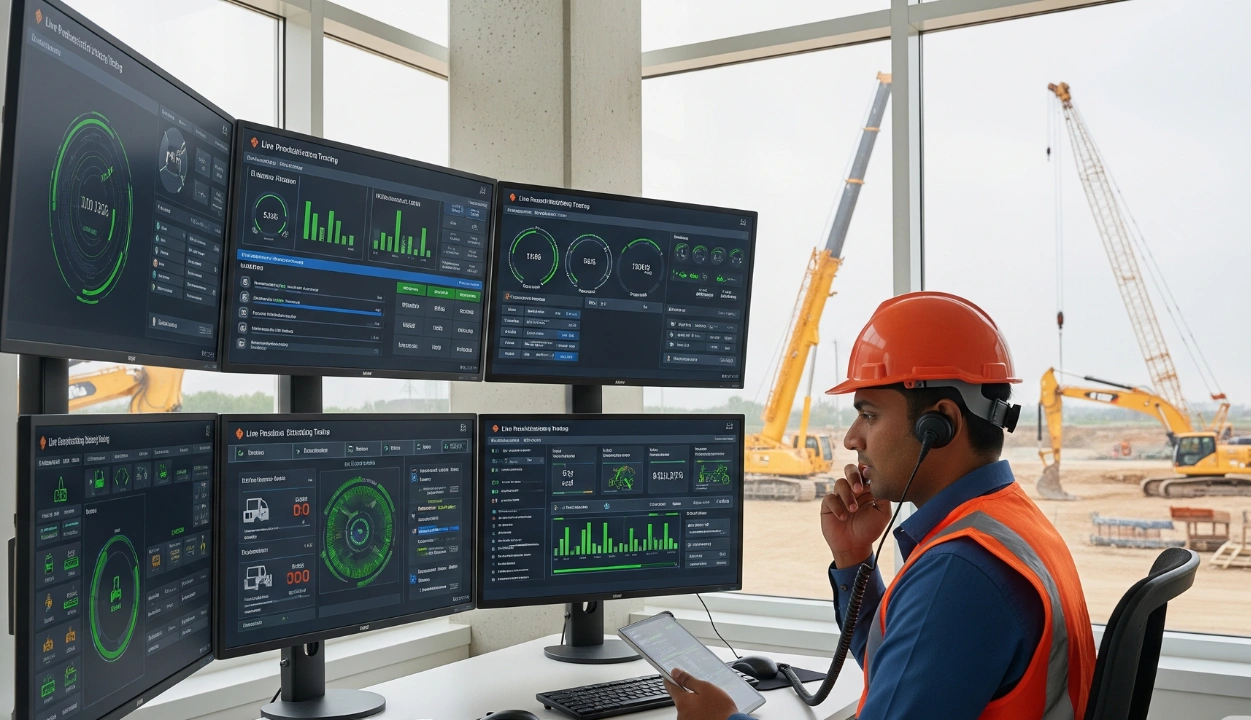
As the manufacturing landscape enters 2026, the shift from reactive management to proactive, data-driven orchestration is no longer a luxury it is a competitive necessity. For modern facilities, the ability to see exactly what is happening on the shop floor at any given millisecond is the difference between a high-yield quarter and a series of missed deadlines.
Choosing the right real-time manufacturing tracking software requires a strategic approach that balances technical capability with operational usability. This guide outlines the essential criteria for selecting a high-performance Production Tracking Software that drives efficiency and long-term ROI.
1. Defining the Core Need: Why Real-Time Visibility Matters
Traditional manufacturing often relies on "end-of-shift" reports, which only highlight problems after they have already caused delays. In contrast, real-time systems provide an instantaneous "digital twin" of your operations.
By implementing a robust Production Tracking Software, manufacturers can:
Identify Bottlenecks Instantly: Detect when a specific machine or station is falling behind the target Takt time.
Reduce Unplanned Downtime: Receive automated alerts for equipment malfunctions before they escalate.
Enhance Quality Control: Track defect rates in real-time to prevent large batches of scrap.
2. Key Selection Criteria for Manufacturing Tracking Systems
Selecting a platform is not just about comparing feature lists; it is about ensuring the software fits your unique production environment.
A. Data Latency and Accuracy
The "real-time" in tracking software must actually mean real-time. Look for systems that offer sub-second data refresh rates. If there is a lag between a machine stop and the dashboard update, your response time will suffer.
B. Seamless Integration (ERP, MES, and IoT)
Your Production Tracking Software should not exist in a silo. It must communicate effectively with:
ERP Systems: For syncing work orders and inventory levels.
IIoT Sensors: For direct data extraction from legacy and modern machinery.
Quality Management Systems (QMS): To correlate production speed with output quality.
C. Scalability and Modular Architecture
A smart factory in 2026 needs a system that can grow. Whether you are adding a new production line or expanding to a second facility, the software should scale without requiring a complete architectural overhaul.
3. The Impact of Production Tracking Software on Efficiency
The primary goal of any tracking implementation is to optimize the "Golden Triangle" of manufacturing: Availability, Performance, and Quality.
Feature Impact on Operations
Live OEE Dashboards Provides a holistic view of Overall Equipment Effectiveness.
Automated AlertsTriggers instant notifications to supervisors via SMS or email.
Historical Analytics Uses AI to predict future maintenance needs based on past trends.
Operator Interfaces Simplifies data entry for shop-floor workers, reducing human error.
4. Implementation Strategy: From Pilot to Full Rollout
Even the best Production Tracking Software can fail without a proper implementation roadmap.
Define KPIs: Determine which metrics matter most is it throughput, scrap reduction, or machine utilization?
Conduct a Pilot Program: Test the software on a single "problematic" line to measure immediate improvements.
Focus on the Human Element: Ensure the UI is intuitive. If operators find the software difficult to use, data accuracy will drop due to lack of adoption.
Analyze and Iterate: Use the first 30 days of data to refine your production benchmarks.
5. Future-Proofing for 2026 and Beyond
As we move further into the era of Industry 4.0, look for features like Agentic AI and Predictive Analytics. Modern Production Tracking Software is now moving toward "Self-Healing" production lines, where the software can suggest rerouting tasks automatically when it detects a potential failure.
Choosing the right software is a foundational step toward a fully autonomous factory. By focusing on integration, real time accuracy, and user adoption, you can ensure your manufacturing facility remains agile and profitable in an increasingly complex global market.
