What is Production Tracking? How to Track Production?
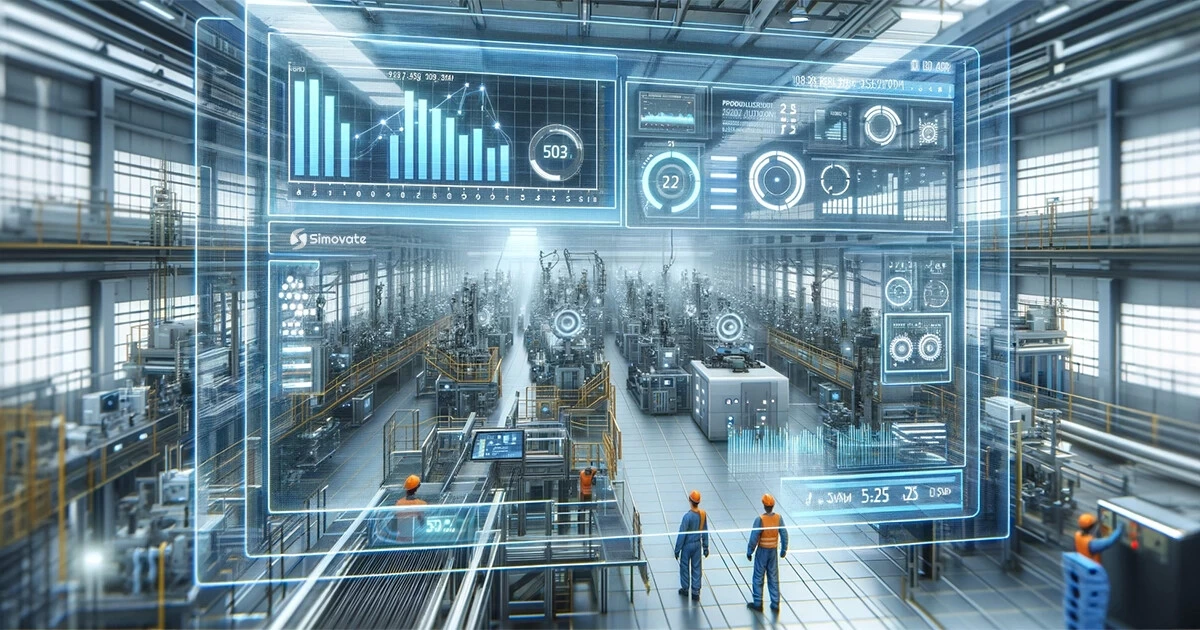
In today’s competitive manufacturing environment, success is no longer defined only by how much you produce, but by how efficiently, consistently, and predictably you produce it. Every delay, machine stoppage, or quality issue directly impacts profitability. This is where production tracking plays a critical role. It acts as the backbone of modern manufacturing, giving businesses the visibility they need to stay in control of their operations.
This article explains production tracking in detail, how it works, why it matters, and how organizations can effectively track production processes using structured methods and production tracking software.
Introduction to Production Tracking
Production floors are dynamic. Machines start and stop, operators switch tasks, materials move between stations, and unexpected issues arise. Without a structured way to track these activities, manufacturers often rely on assumptions rather than facts.
Production tracking replaces guesswork with data. It provides real-time and historical insights into what is happening across the production line, helping managers make informed decisions instead of reactive ones.
What is Production Tracking?
Production tracking is the systematic process of recording, monitoring, and analyzing production activities throughout the manufacturing lifecycle. It tracks how products move from raw materials to finished goods, capturing key information such as output quantity, cycle time, downtime, labor performance, and quality metrics.
In simple terms, production tracking answers three essential questions:
What is being produced right now?
How efficiently is it being produced?
Where are the delays, losses, or inefficiencies?
Production Tracking vs Production Monitoring
Although often used interchangeably, production tracking and production monitoring are not the same.
Production monitoring focuses on observing current operations what is happening at this moment. Production tracking goes further by collecting data over time, analyzing trends, and identifying opportunities for improvement. Monitoring shows the present; tracking helps optimize the future.
Why Production Tracking is Important
Improved Operational Visibility
Without tracking, production managers operate with limited visibility. Problems are often discovered only after they affect delivery schedules or customer satisfaction. Production tracking provides a clear, real-time view of operations, allowing faster responses to issues.
Higher Productivity and Efficiency
By identifying bottlenecks, idle time, and unplanned downtime, production tracking helps improve resource utilization. Small improvements across multiple processes can lead to significant productivity gains.
Better Cost Control
Untracked inefficiencies lead to wasted materials, overtime labor, and frequent machine breakdowns. Production tracking helps control costs by highlighting exactly where money is being lost.
Consistent Quality Output
Tracking quality metrics alongside production data ensures that speed does not compromise quality. Defects can be traced back to specific processes, machines, or shifts, making corrective action easier.
How Production Tracking Works
Data Collection on the Shop Floor Production tracking begins with data collection. This data may come from machines, sensors, operators, or supervisors. Common data points include:
Machine status (running, idle, stopped)
Production counts
Start and end times for tasks
Downtime reasons
Quality inspection results
Real-Time and Historical Data
Real-time data allows managers to take immediate action when problems arise. Historical data helps identify recurring issues, performance trends, and long-term improvement opportunities. Together, they form a complete production intelligence system.
Integration of Machines and People
Modern production environments rely on both automation and human input. Machines generate automatic data, while operators provide context such as downtime reasons or quality issues. Production tracking software brings this information together into a single system.
Key Components of Production Tracking
Machine and Equipment Tracking
Monitoring machine performance helps identify inefficiencies, predict maintenance needs, and reduce unplanned downtime. Tracking parameters often include run time, idle time, and failure frequency.
Labor and Workforce Tracking
Understanding how labor is utilized is essential. Tracking labor hours, task assignments, and productivity helps optimize staffing levels and improve accountability.
Material and Inventory Flow Tracking
Production cannot move faster than materials allow. Tracking material consumption and movement prevents shortages, overproduction, and inventory imbalance.
Process and Output Measurement
Each production stage must be tracked to ensure processes are completed correctly and on time. Output measurement confirms whether production targets are being met.
How to Track Production Processes Step by Step
Step 1: Define Clear Production Goals
Before tracking anything, define what success looks like. This may include daily output targets, efficiency percentages, quality benchmarks, or delivery timelines.
Step 2: Identify Key Performance Indicators (KPIs)
Not all data is useful. Focus on metrics that directly impact performance, such as throughput, downtime, cycle time, and defect rates.
Step 3: Map the Production Workflow
Document every step in the production process. Understanding the flow helps determine where tracking points should be placed.
Step 4: Choose a Tracking Method
Production tracking can be done manually, digitally, or through automation. The right choice depends on operation size, complexity, and growth plans.
Step 5: Implement Data Collection
Ensure data is collected consistently and accurately. This may involve operator training, system configuration, or equipment integration.
Step 6: Analyze and Act on Data
Tracking without analysis has little value. Regularly review data, identify improvement areas, and take corrective action.
Production Tracking Methods
Manual Production Tracking
Manual tracking uses paper logs or whiteboards. While simple and low-cost, it is time-consuming and prone to human error. It also lacks real-time visibility.
Spreadsheet-Based Tracking
Spreadsheets offer better organization than paper but still require manual data entry. They become difficult to manage as operations grow.
Digital Tracking with Production Tracking Software
Production tracking software automates data collection, centralizes information, and provides real-time dashboards and reports. It is the most efficient and scalable approach for modern manufacturing.
Role of Production Tracking Software
Production tracking software acts as a central hub for all production data. It collects information from machines, operators, and systems, then converts it into actionable insights.
Centralized Data Management
All production data is stored in one system, reducing duplication and inconsistency.
Real-Time Production Visibility
Managers can monitor production status instantly, identify issues early, and respond faster.
Reports and Analytics
Automated reports and dashboards make it easier to track performance trends, compare shifts, and measure improvement over time.
Key Metrics to Track in Production
Production Output and Throughput
Measures how much product is produced within a specific time period.
Downtime and Idle Time
Identifies lost production time and its causes.
Cycle Time and Lead Time
Shows how long it takes to complete a production cycle from start to finish.
Quality and Defect Rates
Tracks rejected products, rework, and overall quality performance.
Overall Equipment Effectiveness (OEE)
Combines availability, performance, and quality into a single efficiency metric.
Production Tracking Across Industries
Manufacturing and Assembly Lines
Production tracking helps manage machine utilization, labor efficiency, and output consistency.
Food and Beverage Production
Ensures traceability, quality compliance, and efficient batch processing.
Electronics and Precision Manufacturing
Tracks detailed process steps where accuracy and quality are critical.
Best Practices for Effective Production Tracking
Standardize Data Collection
Use consistent definitions and methods to ensure reliable data.
Train Employees Thoroughly
People are essential to accurate tracking. Proper training improves data quality and system adoption.
Focus on Actionable Insights
Track metrics that drive improvement, not just data for reporting.
Continuously Review and Improve
Production tracking should evolve as processes change and improve.
Common Mistakes to Avoid
Tracking Too Many Metrics
Too much data creates confusion. Focus on key performance indicators.
Ignoring Data Accuracy
Inaccurate data leads to poor decisions and lost trust in the system.
Failing to Act on Data
Data without action provides no value. Insights must lead to improvement.
Future of Production Tracking
Production tracking is moving toward automation, predictive analytics, and data-driven decision-making. As factories become smarter, production tracking software will play an even bigger role in improving efficiency, reducing costs, and maintaining competitiveness.
Conclusion
Production tracking is a fundamental requirement for modern manufacturing success. It provides visibility, improves efficiency, reduces costs, and supports consistent quality. By implementing structured tracking methods and leveraging production tracking software, businesses can transform raw data into actionable insights and gain full control over their production processes. In an industry where every minute and every unit counts, effective production tracking is not just an advantage it is a necessity.
FAQs
What is production tracking in manufacturing?
Production tracking is the process of monitoring and recording production activities to improve efficiency, quality, and decision-making.
Why is production tracking important?
It helps identify inefficiencies, reduce downtime, control costs, and improve productivity.
Can small manufacturers use production tracking?
Yes, production tracking can be scaled to suit businesses of all sizes.
What metrics are most important in production tracking?
Key metrics include output, downtime, cycle time, quality rates, and equipment efficiency.
How does production tracking software help?
It automates data collection, provides real-time visibility, and supports data-driven decisions.
