TIL - 04.1 연산군 [230717]

口是禍之門(구시화지문)이요
舌是斬身刀(설시참신도)라
閉口深藏舌(폐구심장설)하면
安身處處牢(안신처처뢰)하리라입은 재앙의 문이다. 화는 입으로부터 생기므로 말을 삼가야 한다.
혀는 몸을 자르는 칼이다.
입을 닫고 혀를 깊이 감추면
가는 곳마다 몸이 편안하리라.-조선 10대 왕 연산군
연산자를 보고 연산군이 떠오른 김에 연산군의 격언에 대해 읽어보았다.
역시 입조심은 예나 지금이나 변함이 없는 듯 하다.
입에서 코드가 나오지않게 조심해야겠다.
연산자 종류와 우선순위
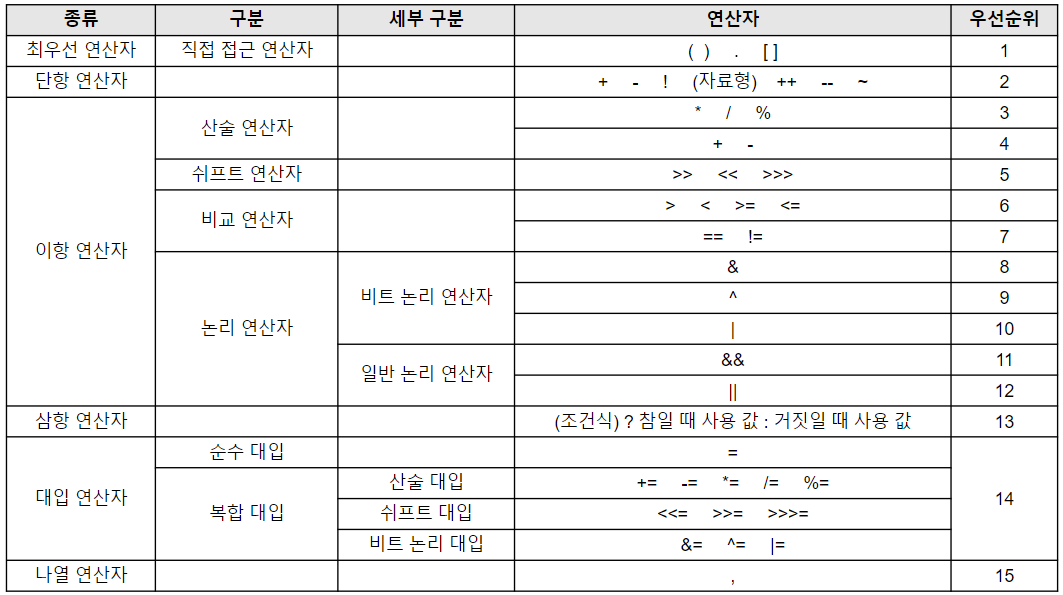
산술 연산자
일반 수학과 동일한 연산 방법, 우선순위. 단, %는 나누기의 나머지 값을 구하는 연산
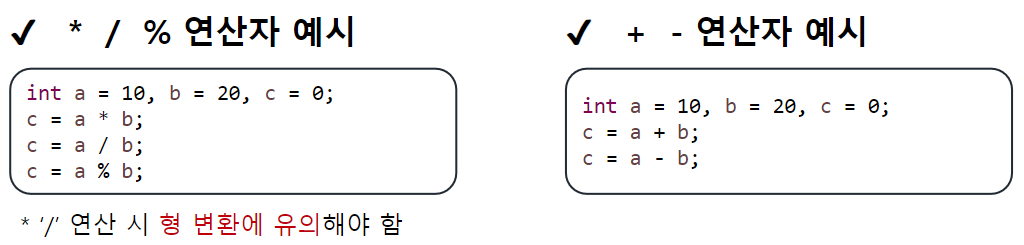
증감 연산자
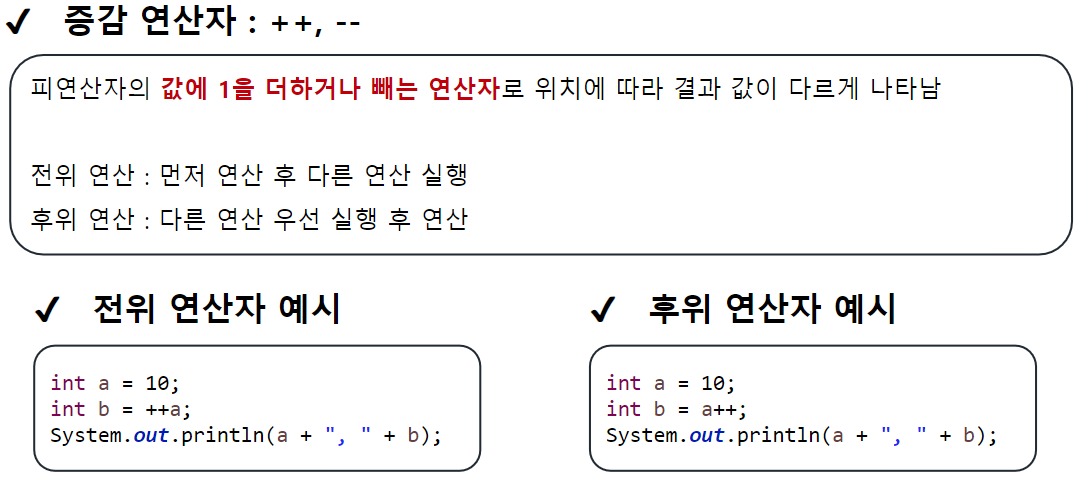
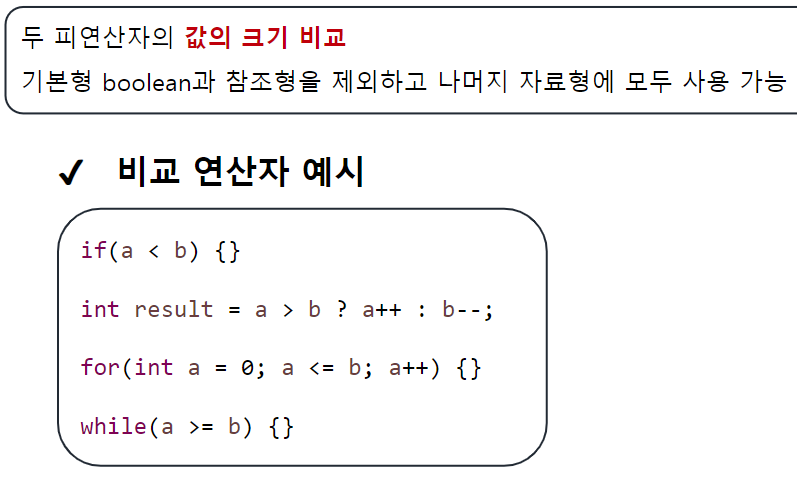
비교 연산자
논리 연산자
논리 부정 연산자
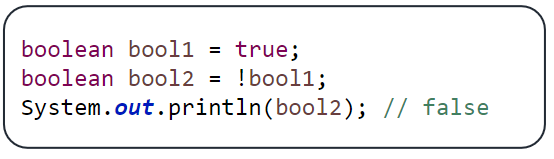
논리 값을 부정하여 반대 값으로 변경
제어문을 활용할 때 많이 쓰임
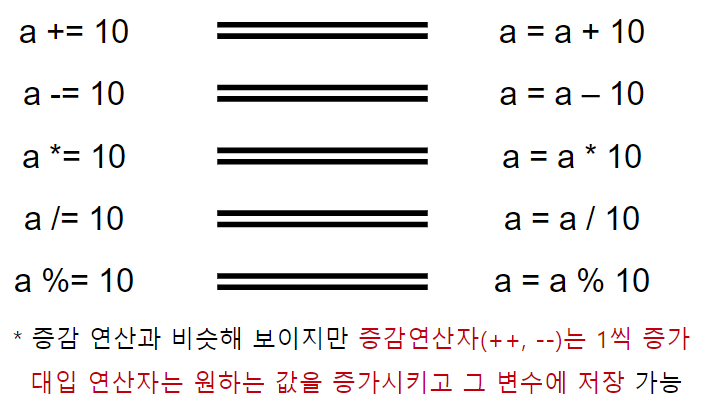
복합 대입 연산자
다른 연산자와 대입 연산자가 결합한 것으로
자기 자신과 연산 후 연산 결과를 자기 자신에게 누적 대입
삼항 연산자
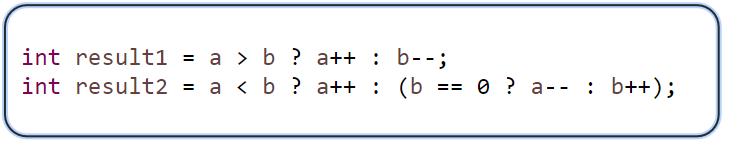
조건식 ? 식1 : 식2;
조건식의 결과 값에 따라 연산을 처리하는 방식으로 결과 값이 참일 경우 식1, 거짓일 경우 식2 수행
삼항 연산자 안에 삼항 연산자를 중첩하여 쓰는 것도 가능
package edu.kh.op.ex;

import java.util.Scanner;

public class OpExample { // 예제 코드 작성용 클래스

	// ex1() method : 객체 지향 프로그래밍에서 객체와 관련된 함수
	// -> OpExample이 가지고있는 기능 중 ex1()이라는 기능

	public void ex1()  {
		// syso + ctrl + space 자동완성
		System.out.println("OpExample 클래스에 ex1() 기능 수행");
		System.out.println("클래스 분리 테스트");
		System.out.println("println 자동완성도 배웠어요~");


	}

	public void ex2() {

		Scanner sc = new Scanner(System.in);
		// 실행될 때 ExampleRun -> OpExample -> Scanner 순으로 만들어냄
		// Scanner는 같은 패키지내에 있지 않기 때문에 import(수입) 해와야한다.

		System.out.print("정수 입력 1 : ");
		int input1 = sc.nextInt(); // 다음 입력되는 정수를 읽어옴.

		System.out.print("정수 입력 2 : ");
		int input2 = sc.nextInt();

		System.out.printf("%d / %d = %d\n", input1, input2, input1 / input2);
		System.out.printf("%d %% %d = %d\n", input1, input2, input1 % input2);
		// %% : printf 에서 '%' 문자 출력하는 방법


	}

	public void ex3() {
		// 증감(증가, 감소) 연산자 : ++, --
		// -> 피연산자(값)를 1 증가 또는 감소 시키는 연산자

		int iNum1 = 10;
		int iNum2 = 10;


		iNum1++; // iNum1 1증가
		iNum2--; // iNum2 1감소

		System.out.println("iNum1 : " + iNum1);
		System.out.println("iNum2 : " + iNum2);


		// 전위 연산 : ++3, --2  연산자가 앞쪽에 배치
		// -> 다른 연산자보다 먼저 증가/감소

		int temp1 = 5;

		System.out.println( ++temp1  +  5);
		               	// ++5   +    5
						// 6     +    5     == 11

		System.out.println("temp1 : " + temp1); // 6


		// 후위 연산 : 10++, 6--  연산자가 뒤쪽에 배치
		// -> 다른 연산자보다 나중에 증가/감소

		int temp2 = 3;
		System.out.println( temp2-- + 2 ); // 5
						// 3-- + 2	// 5
						// temp2 = 2; (1감소)
						// temp2 는 2

		System.out.println("temp2 : " + temp2); // 2


		int a = 3;
		int b = 5;
		int c = a++  +  --b;

		//      3++   +   --5
		// c =  3++   +    4
		// c =  7

		// 미뤄놨던 a 후위연산 a++ ==> 3+1 ==> 4

		//최종적으로 a,b,c 는 각각 얼마인가?
		System.out.printf("%d / %d / %d\n", a, b, c);
		// 4 / 4 / 7


	}

	public void ex4() {

		// 비교 연산자 : >, <, >=, <=, ==, !=
		// - 비교 연산자의 결과는 항상 논리값(true/false)
		// - 등호(=)가 포함된 연산자에서 등호는 항상 오른쪽!!

		// 같다 기호는 = , == ?
		// --> ==
		// 등호 1개(=) 대입 연산자로 사용
		// 		--> 구분을 위해서 두개(==)를 "같다"라는 의미로 사용

		int a = 10;
		int b = 20;

		System.out.println( a > b ); // false
		System.out.println( b > a ); // true
		System.out.println( a != b ); // true
		System.out.println( (a == b) == false ); // true
						// () 괄호 안에 있는 것 먼저 연산
						// false == false -> true

		System.out.println("----------------------------------");


		int c = 4;
		int d = 5;

		System.out.println( c < d ); // true
		System.out.println( c + 1 <= d); // true
						// 4 + 1 <= 5
						// 산술 연산이 비교 연산보다 우선순위가 높기 때문에
						// 더하기 먼저 해야한다!

		System.out.println( c >= d - 1 ); // true

		System.out.println( (++c != d) == (--c != d) );
							// ++4 != 5 -> 5 != 5 -> false
							// --4 != 5 -> 3 != 5 -> true
							// false == true -> false

		System.out.println( (c++ != d) == (c-- != d) );
							// 4++ != 5 -> true -> c = 5
							// 5-- != 5 -> false -> c = 4
							// true == false -> false

		System.out.println("----------------------------------");

		int temp = 723;

		System.out.println("temp는 짝수인가?"  +  (temp % 2 == 0) ); // false
		System.out.println("temp는 짝수인가?"  +  (temp % 2 != 1) ); // false

		System.out.println("temp는 홀수인가?"  +  (temp % 2 == 1) ); // true
		System.out.println("temp는 홀수인가?"  +  (temp % 2 != 0) ); // true

		System.out.println("temp는 3의 배수인가?"  +  (temp % 3 == 0) ); // true
		System.out.println("temp는 4의 배수인가?"  +  (temp % 4 == 0) ); // false
		System.out.println("temp는 5의 배수인가?"  +  (temp % 5 == 0) ); // false


	}

	public void ex5() {

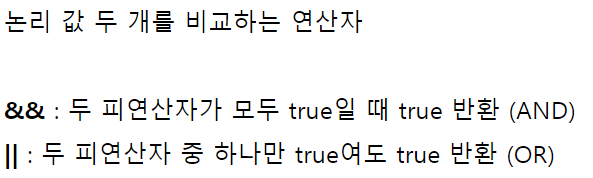
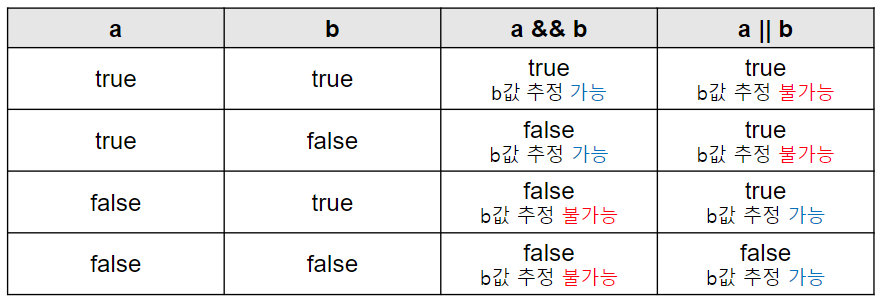
		// 논리 연산자 : &&(AND), ||(OR)


		// &&(AND) 연산자 : 둘 다 true면 true, 나머지는 false
		// 와, 그리고, ~면서, ~이면서, ~부터 ~까지, ~사이

		// ex) 사과와 바나나, 사과 그리고 바나나, 사과이면서 바나나

		int a = 101;

		// a는 100이상 이면서 짝수인가?
		System.out.println( a >= 100 ); // a는 100 이상? true

		System.out.println( a % 2 == 0 ); // a는 짝수? false

		System.out.println( (a >= 100) && (a % 2 == 0) ); // false


		int b = 5;


		// b는 1부터 10까지 숫자 범위에 포함되어 있는가?
		// b는 1부터 10 사이의 숫자인가?
		// b는 1보다 크거나 같으면서, 10보다 작거나 같은가?

		System.out.println( b >= 1 ); // b는 1 이상인가? true

		System.out.println( b <= 10 ); // b는 10 이하인가? true

		System.out.println( (b >= 1) && (b <= 10) ); // b는 1 이상 10 이하인가? true


		System.out.println("----------------------------------");


		// ||(OR) 연산자 : 둘 다 false면 false, 나머지는 true (AND의 반대)
		// 또는, ~거나, ~이거나


		int c = 10;


		// c는 10을 초과 했거나 짝수인가?

		System.out.println( c > 10 ); // false

		System.out.println( c % 2 == 0 ); // true

		System.out.println( (c > 10) || (c % 2 == 0) ); // true


	}

	public void ex6() {

		// 논리 부정 연산자 : !
		// -> 논리값을 반대로 바꾸는 연산자

		boolean bool1 = true;
		boolean bool2 = !bool1;


		System.out.println("bool1 : " + bool1);
		System.out.println("bool2 : " + bool2);

		System.out.println("----------------------------------");

		Scanner sc = new Scanner(System.in);

		// 정수를 하나 입력 받았을 때
		// 1) 해당 정수가 1부터 100사이 값이 맞는지 확인 (1이상 100이하)
		// 2) (반대) 1부터 100사이 값이 아닌지 확인(1미만 or 100초과)

		System.out.print("정수 입력 : ");
		int input = sc.nextInt();

		// 1 <= input <= 100

		boolean result1 = 1 <= input && input <= 100;
		// 				( input >= 1 ) && (input <= 100)


		System.out.printf("%d은/는 1 이상, 100 이하의 정수인가? : %b\n", input, result1);

		// 1 이상 이면서 100 이하 <-> 1 미만 또는 100 초과
		boolean result2 = (input < 1) || (input > 100);

		boolean result3 = !( (input >= 1) && (input <= 100) );

		System.out.printf("%d은/는 1 미만, 100 초과 정수인가? : %b / %b\n", input, result2, result3);


	}

	public void ex7() {

		// 복합 대입 연산자 : +=, -=, *=, /=, %=
		// -> 피연산자가 자신과 연산 후 결과를 다시 자신에게 대입

		int a = 10;

		// a를 1증가
		a++; // a += 1   a = a + 1
		System.out.println("a를 1 증가 : " + a); // 11

		// a를 4증가
		a += 4; // a = a + 4
		System.out.println("a를 4 증가 : " + a ); // 15

		// a를 10감소
		a -= 10; // a = a - 10
		System.out.println("a를 10 감소 : " + a); // 5

		// a를 3배 증가
		a *= 3;
		System.out.println("a를 3배 증가 : " + a); // 15
		// a를 6으로 나눴을때 몫
		a /= 6;
		System.out.println("a를 6으로 나눴을때 몫 : " + a); // 2

		// a를 2로 나눴을때 나머지
		a %= 2;
		System.out.println("a를 2로 나눴을때 나머지 : " + a); // 0


	}

	public void ex8() {

		// 삼항연산자 : 조건식 ? 식1 : 식2

		// - 조건식의 결과가 true면 식1,
		// 	 false면 식2를 수행하는 연산자

		// * 조건식 : 연산 결과가 true/false인 식
		// 			(비교, 논리, 논리부정 연산이 포함)

		int num = 30;

		// num이 30보다 크면(초과) "num은 30보다 큰 수 이다."
		// 아니면 "num은 30 이하의 수이다" 출력

		String result = num > 30 ? "num은 30보다 큰 수 이다." : "num은 30 이하의 수이다";
						// 조건식 ? 		식1 (true)		  :		 식2(false)

		System.out.println(result);

		System.out.println("----------------------------------");

		// 입력 받은 정수가 음수인지 양수인지 구분
		// 단, 0은 양수로 처리

		// ex)
		// 정수 입력 : 4
		// 양수 입니다.

		// 정수 입력 : -5
		// 음수 입니다.
		Scanner sc = new Scanner(System.in);

		System.out.print("정수 입력 : ");
		int input = sc.nextInt();

		String result1 = input >= 0 ? "양수 입니다." : "음수 입니다.";

		System.out.println(result1);


		// 다른 방법
		System.out.print("정수 입력 : ");
		int input1 = sc.nextInt();

		String str1 = "양수 입니다.";
		String str2 = "음수 입니다.";

		String result2 = input1 >= 0 ? str1 : str2;

		System.out.println(result2);


	}

}
실행문
package edu.kh.op.ex;

import java.util.Scanner;

public class ExampleRun { // 코드 실행용 클래스

	// 메인메서드 필수 작성
	public static void main(String[] args) {

		// OpExample 생성
		Scanner sc = new Scanner(System.in);

		OpExample ex = new OpExample();
		// 같은 패키지 ( edu.kh.op.ex) 안에 있는 클래스는
		// import를 하지 않아도 불러다 쓸 수 있다 (에러 X)


		//ex.ex1(); // ex가 가지고 있는 ex1() 메서드 실행
		//ex.ex2();
		//ex.ex3();
		//ex.ex4();
		//ex.ex5();
		//ex.ex6();
		//ex.ex7();
		ex.ex8();
연습문제
package edu.kh.op.practice;

import java.util.Scanner;

public class OperatorPractice {

	public void practice1() {

		Scanner sc = new Scanner(System.in);

		System.out.print("인원 수 : ");
		int input1 = sc.nextInt();

		System.out.print("사탕 개수 : ");
		int input2 = sc.nextInt();

		System.out.printf("1인당 사탕 개수 : %d\n", input2 / input1);

		System.out.printf("남는 사탕 개수 : %d", input2 % input1);


	}

	public void practice2() {

		Scanner sc = new Scanner(System.in);

		System.out.print("이름 : ");
		String str1 = sc.next();

		System.out.print("학년(정수만) : ");
		int int1 = sc.nextInt();

		System.out.print("반(정수만) : ");
		int int2 = sc.nextInt();

		System.out.print("번호(정수만) : ");
		int int3 = sc.nextInt();

		System.out.print("성별(남학생/여학생) : ");
		String str2 = sc.next();

		System.out.print("성적(소수점 아래 둘째 자리까지) : ");
		float ft1 = sc.nextFloat();

		System.out.print("\n");

		System.out.printf("%d학년 %d반 %d번 %s %s의 성적은 %.2f이다.", int1, int2, int3, str1, str2, ft1);


	}

	public void practice3() {

		Scanner sc = new Scanner(System.in);

		System.out.print("국어 : ");
		int kor = sc.nextInt();

		System.out.print("영어 : ");
		int eng = sc.nextInt();

		System.out.print("수학 : ");
		int math = sc.nextInt();

		int sum = kor + eng + math; // 합계
		double avg = sum / 3.0; //평균
		System.out.print("\n");

		System.out.printf("합계 : %d\n", sum);
		System.out.printf("평균 : %.1f\n", avg);

		boolean result = (kor >= 40) && (eng >= 40) && (math >= 40) && (avg >= 60);

		System.out.println(result ? "합격" : "불합격");


	}

}
실행문
package edu.kh.op.practice;

import java.util.Scanner;

public class PracticeRun {

	public static void main(String[] args) {

		Scanner sc = new Scanner(System.in);

		OperatorPractice practice = new OperatorPractice();

		practice.practice1();

		System.out.println("\n");

		practice.practice2();

		System.out.println("\n");

		practice.practice3();


	}

}

초보자