Latest Innovations in Modern Sewer Suction Technology
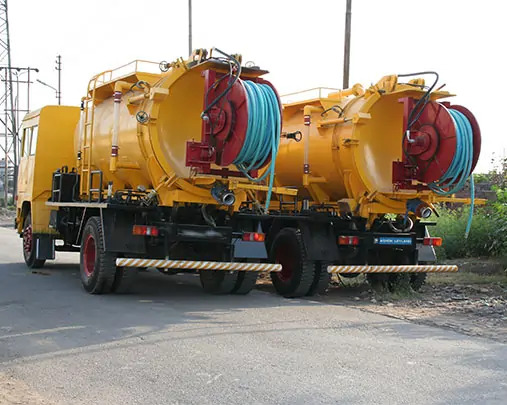
Modern sewer suction technology has undergone a remarkable transformation over the past decade, evolving from basic vacuum-based systems into highly advanced, intelligent, and eco-friendly solutions. With rapid urbanization, increasing waste generation, and stricter environmental regulations, municipalities and industries are adopting cutting-edge sewer suction technologies to ensure efficient, safe, and sustainable sanitation management.
This article explores the latest innovations shaping modern sewer suction technology and how these advancements are revolutionizing wastewater management systems worldwide.
1. Evolution from Conventional to Smart Sewer Suction Systems
Traditionally, sewer cleaning relied heavily on manual labor and basic suction equipment, which posed significant health risks and inefficiencies. Over time, vacuum-based trucks emerged as a breakthrough, enabling faster and safer removal of sludge and waste.
Today, modern sewer suction machines integrate multiple technologies such as high-powered vacuum pumps, automated controls, and real-time monitoring systems. These innovations have significantly improved operational efficiency, reduced human intervention, and enhanced safety standards.
2. High-Power Vacuum Systems and Advanced Pumping Technology
At the core of modern sewer suction machines lies advanced vacuum technology. Innovations in this area include:
- Positive displacement vacuum pumps for higher suction efficiency
- Centrifugal vacuum systems for faster waste extraction
- Increased tank capacity for handling large volumes of sludge
These systems generate strong negative pressure, allowing machines to remove liquids, solids, and semi-solid waste effectively from sewer lines and septic tanks.
Enhanced suction power reduces cleaning time and ensures thorough removal of debris, making operations more productive and cost-efficient.
3. Integration of High-Pressure Water Jetting
One of the most significant innovations is the integration of high-pressure water jetting systems with suction technology.
- Water jets (up to 4000 PSI) break down stubborn blockages
- Grease, silt, and hardened waste are easily dislodged
- Combined suction removes loosened debris instantly
This combination—often referred to as suction-cum-jetting technology—has become the industry standard for modern sewer cleaning equipment. It enhances cleaning precision while reducing dependency on chemicals, making it environmentally friendly.
4. Hydro-Excavation Technology
Hydro-excavation is another groundbreaking innovation transforming sewer maintenance. It uses a combination of pressurized water and vacuum suction to excavate soil safely.
Key benefits include:
- Precise excavation without damaging underground utilities
- Reduced risk of accidents
- Faster and cleaner digging process
This technology is especially useful in urban areas where sewer lines are located near sensitive infrastructure.
5. Robotics and Automation in Sewer Cleaning
The introduction of robotics has significantly changed how sewer systems are inspected and cleaned.
Modern systems now include:
- Robotic crawlers equipped with cameras and sensors
- Automated cleaning robots capable of navigating pipelines
- Remote-controlled machines for hazardous environments
These robots reduce the need for human entry into confined sewer spaces, improving worker safety and operational efficiency.
6. CCTV Inspection and Smart Monitoring Systems
Advanced CCTV camera systems are now standard in modern sewer suction machines. These systems provide:
- Real-time video inspection of pipelines
- Detection of cracks, leaks, and blockages
- Accurate diagnosis without excavation
Additionally, smart monitoring systems allow operators to track machine performance, sewer conditions, and maintenance schedules in real time. This data-driven approach enables proactive maintenance, reducing the risk of system failures.
7. IoT and Smart City Integration
The integration of the Internet of Things (IoT) is one of the most exciting developments in sewer suction technology.
Key features include:
- Sensors that monitor sewer flow and blockage levels
- GPS-enabled vacuum trucks for optimized routing
- Real-time communication with central control systems
In smart cities, sewer suction machines are connected to centralized platforms, enabling better coordination, predictive maintenance, and efficient resource allocation.
8. Artificial Intelligence and Predictive Maintenance
Artificial Intelligence (AI) is playing a growing role in sewer management systems.
AI-powered solutions can:
- Analyze inspection data to predict blockages
- Recommend optimal cleaning schedules
- Improve decision-making through data analytics
By shifting from reactive to predictive maintenance, municipalities can prevent costly sewer failures and improve overall system reliability.
9. Advanced Filtration and Environmental Sustainability
Modern sewer suction machines are increasingly designed with environmental considerations in mind.
Key advancements include:
- Multi-stage filtration systems that separate solids and liquids
- Recycling of water for reuse in jetting operations
- Reduced chemical usage
These features minimize environmental impact while ensuring compliance with stringent waste management regulations.
10. Automated Controls and User-Friendly Interfaces
Automation has significantly improved the usability of sewer suction equipment.
Modern machines now feature:
- Touchscreen control panels
- Automated pressure and suction adjustments
- Remote operation capabilities
These advancements reduce operator fatigue, improve accuracy, and ensure consistent performance across different working conditions.
11. Enhanced Safety Features
Safety is a critical focus in modern sewer suction technology. Innovations include:
- Gas detection sensors for hazardous environments
- Enclosed suction systems to prevent exposure
- Remote operation to avoid direct contact with waste
These improvements protect workers from harmful gases, pathogens, and physical hazards, making sewer cleaning significantly safer than traditional methods.
12. Customization and Multi-Functional Machines
Today’s sewer suction machines are highly customizable and multifunctional.
They can be used for:
- Sewer and drain cleaning
- Septic tank maintenance
- Industrial waste removal
- Stormwater management
Manufacturers now offer tailored solutions based on specific municipal or industrial requirements, enhancing versatility and operational efficiency.
13. Future Trends in Sewer Suction Technology
Looking ahead, the future of sewer suction technology is driven by innovation and sustainability.
Emerging trends include:
- Fully autonomous sewer cleaning systems
- Integration with augmented reality (AR) for maintenance
- Electrification of sewer suction vehicles
- Advanced data analytics for infrastructure planning
These advancements will further reduce human intervention, improve efficiency, and support sustainable urban development.
Conclusion
Modern sewer suction technology has evolved into a sophisticated blend of mechanical power, digital intelligence, and environmental responsibility. Innovations such as high-powered vacuum systems, hydro-excavation, robotics, IoT integration, and AI-driven analytics are transforming how sewer systems are maintained.
These advancements not only improve efficiency and reduce operational costs but also enhance safety and environmental sustainability. As cities continue to grow and infrastructure demands increase, modern sewer suction technology will play a crucial role in building cleaner, smarter, and more resilient urban environments.
