Vacuum Technology in Sewer Suction Machines: How It Improves Cleaning
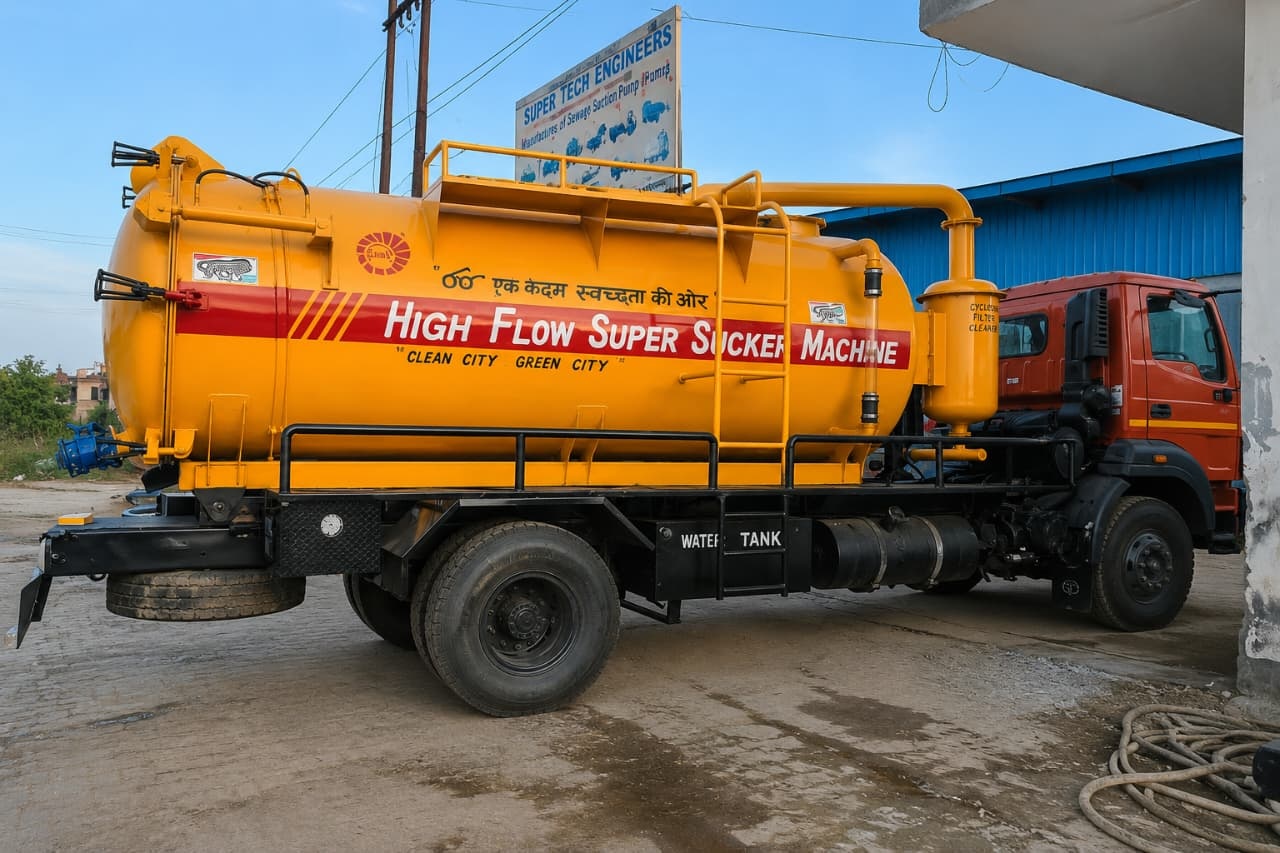
Sewer cleaning is an essential part of maintaining modern urban infrastructure. Over time, sewer lines, drains, and underground pipelines accumulate sludge, sand, grease, debris, wastewater, and other materials that can restrict flow and cause blockages. Traditional cleaning methods can be slow, labor-intensive, and difficult to perform safely. Vacuum technology has transformed this process by making sewer suction machines more powerful, efficient, and versatile.
Vacuum technology is the core operating principle behind modern sewer suction machines. By creating negative pressure inside a specially designed collection tank, these machines can draw liquid, sludge, and loose debris from sewer systems and transport the material into the tank for safe disposal. The result is faster cleaning, reduced manual effort, improved working conditions, and better overall sewer maintenance.
Understanding Vacuum Technology
A vacuum is created when air or gas is removed from an enclosed space, producing pressure lower than the surrounding atmospheric pressure. In a sewer suction machine, a vacuum pump or blower removes air from the collection tank. This pressure difference creates suction at the end of the connected hose.
When the suction hose is positioned over sludge, wastewater, or debris, atmospheric pressure pushes the material toward the lower-pressure area inside the hose. The material is then transported through the suction system and deposited into the machine's collection tank.
The strength and efficiency of the vacuum depend on several factors, including pump capacity, air-flow rate, hose diameter, hose length, tank design, and the type of material being removed. Modern machines are engineered to balance these factors so that they can deliver strong and consistent suction during demanding cleaning operations.
Faster Removal of Sludge and Waste
One of the biggest advantages of vacuum technology is speed. Sewer systems can contain large quantities of accumulated sludge and wastewater, and removing these materials manually would require significant time and labor.
A sewer suction machine can continuously remove material through its suction hose. Instead of workers physically scooping or pumping waste from difficult locations, the vacuum system performs the heavy lifting. This significantly reduces cleaning time, particularly when dealing with deep manholes, large drainage channels, septic systems, and heavily contaminated areas.
Faster cleaning also means that roads, industrial facilities, and other locations can return to normal operation sooner. For municipal authorities and private contractors, this can improve productivity and allow more maintenance jobs to be completed within a given period.
Effective Cleaning of Difficult Areas
Sewer networks are often complex, with narrow pipes, deep chambers, bends, and difficult-to-reach sections. Conventional cleaning equipment may struggle to access these areas.
Vacuum-powered suction hoses provide greater flexibility. Operators can position the hose in or near a manhole, drain, or collection point and remove accumulated material without requiring direct physical access to the waste. This makes vacuum technology particularly useful for cleaning confined or inaccessible areas.
The technology is also effective for removing different types of waste. Depending on the machine's design and specifications, suction systems can handle liquid wastewater, wet sludge, mud, sand, grease, and other loose materials. This versatility makes sewer suction machines valuable for a wide range of cleaning applications.
Improved Worker Safety
Sewer cleaning can expose workers to several hazards, including contaminated wastewater, toxic gases, biological waste, unstable ground conditions, and confined spaces. Reducing direct contact with sewer contents is therefore an important benefit of mechanized cleaning.
Vacuum technology allows operators to remove waste from a safer position rather than entering contaminated or hazardous areas unnecessarily. The suction hose performs the primary material-removal function while the collected waste remains contained within the machine's tank.
By reducing manual handling, vacuum systems can also lower the risk of physical injuries associated with lifting heavy sludge, handling equipment, and working in awkward positions. Although proper protective equipment and safety procedures remain essential, mechanized suction can substantially improve the overall working environment.
Better Waste Containment
Another important benefit is controlled waste collection. Once sludge and wastewater are sucked into the machine, they are stored inside a sealed collection tank. This reduces the likelihood of spills and uncontrolled exposure during transportation.
Effective containment is particularly important when the collected material contains harmful contaminants or unpleasant odors. A properly designed tank and suction system help operators transport waste to an approved treatment or disposal facility with less risk of leakage.
This contributes not only to worker safety but also to environmental protection. Preventing sewer waste from being accidentally released into surrounding areas helps reduce soil and water contamination.
Improved Cleaning Efficiency
Vacuum technology does more than simply provide suction; it improves the overall efficiency of sewer maintenance operations. Modern sewer suction machines may combine vacuum systems with high-pressure water jetting.
In such systems, high-pressure water breaks up hardened deposits, grease, and compacted sludge inside the sewer. The vacuum system then removes the loosened material and transports it into the collection tank. This combination creates a highly effective cleaning cycle.
The process is especially useful when deposits are too compact or sticky to be removed through suction alone. Water jetting loosens the material, while vacuum suction provides rapid removal. This reduces the chance of displacing debris farther down the sewer line, helping achieve a more thorough cleaning result.
Reduced Dependence on Manual Labor
Sewer cleaning has traditionally required considerable physical labor. Workers may need to remove waste using buckets, pumps, shovels, or other manual equipment. Besides being slow, these methods can be physically demanding.
Vacuum sewer machines automate much of the material-removal process. A smaller team can often accomplish work that would previously have required significantly more manual effort. This can reduce labor costs and improve operational efficiency.
Automation does not eliminate the need for skilled operators. In fact, trained operators are essential for selecting appropriate suction levels, positioning hoses, monitoring tank capacity, and ensuring safe operation. However, vacuum technology allows those workers to focus more on equipment control and inspection rather than direct waste handling.
Applications Beyond Sewer Cleaning
The advantages of vacuum technology extend beyond conventional sewer maintenance. Vacuum suction machines can be used for industrial waste removal, septic tank cleaning, stormwater drain maintenance, grease removal, excavation support, and the collection of liquid or semi-solid materials.
In some specialized applications, vacuum excavation equipment can safely remove soil around underground utilities without using conventional mechanical digging methods. This demonstrates how adaptable vacuum technology can be when designed for specific operating conditions.
Conclusion
Vacuum technology has become a fundamental part of modern sewer suction machines because it combines powerful material removal with greater speed, safety, and efficiency. By creating controlled negative pressure, these machines can extract sludge, wastewater, sand, grease, and other debris from difficult-to-access sewer systems and store the material securely for disposal.
The technology reduces manual labor, minimizes direct worker exposure to hazardous waste, improves cleaning productivity, and can work effectively alongside high-pressure water jetting systems. As cities expand and sewer infrastructure becomes increasingly complex, efficient maintenance methods will become even more important.
For municipalities, contractors, and industrial operators, investing in reliable vacuum-based sewer cleaning equipment can therefore provide significant operational benefits. With continued improvements in pump efficiency, tank design, automation, and monitoring systems, vacuum technology is likely to remain a key component of safer, faster, and more effective sewer maintenance.
Also Read - Sewer Suction Machine: Complete Guide to Features, Uses and Benefits
