Wall-Mounted vs Floor-Standing Vanity Units: Which One Works Best?
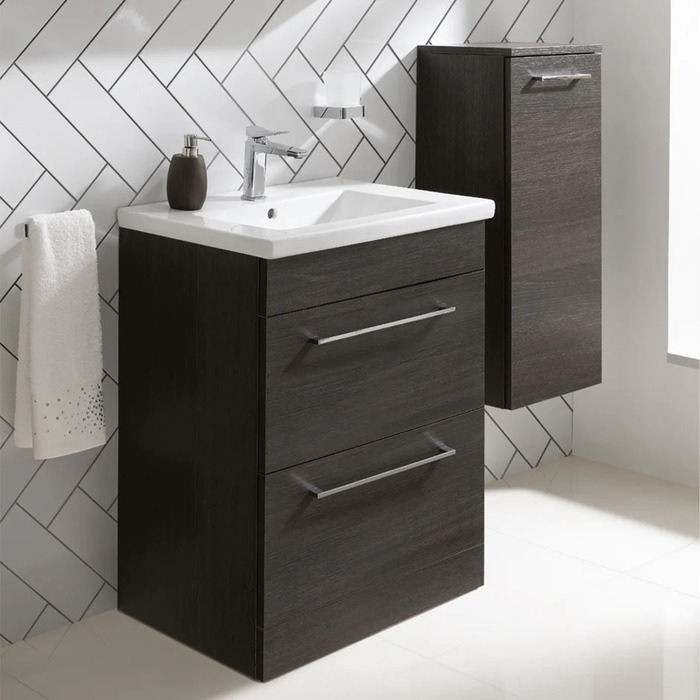
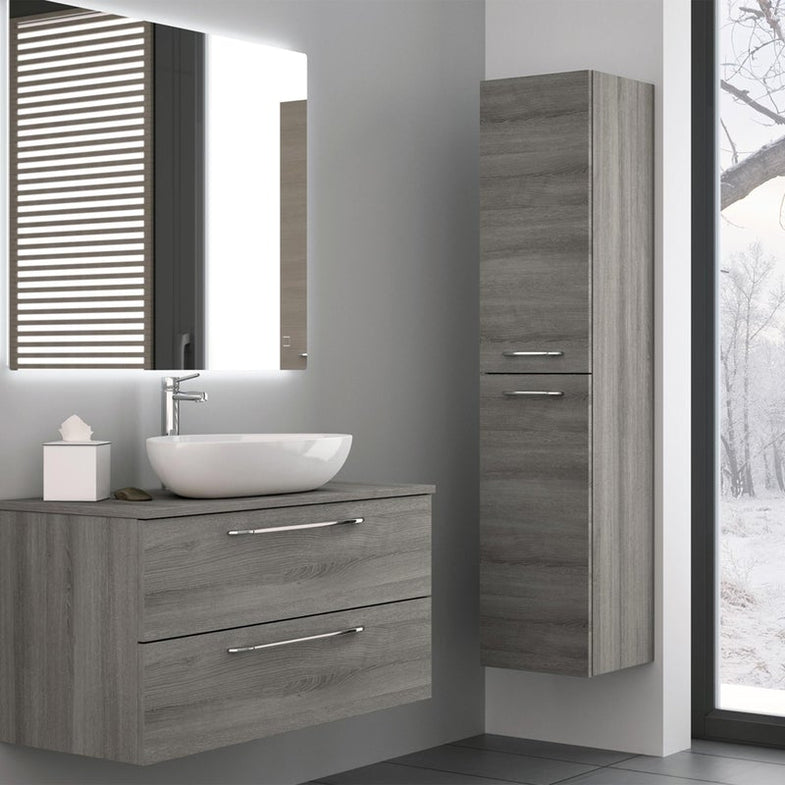
When renovating or upgrading a bathroom, one of the most important decisions you’ll make is choosing between wall-mounted and floor-standing vanity units. Both types play a major role in defining the style, storage capacity, and functionality of your bathroom.
But which one is right for your home — the sleek, modern wall-mounted vanity or the timeless, traditional floor-standing version?
In this detailed guide, we’ll explore the pros, cons, and key differences between these two styles to help you decide which option works best for your bathroom space, lifestyle, and design preferences.
1. Understanding Vanity Units and Their Role in Bathroom Design
A vanity unit is more than just a storage cabinet with a basin on top — it’s the focal point of your bathroom. It sets the tone for the entire design and directly impacts how functional your space feels.
Modern vanity units combine aesthetic appeal with practical storage, concealing plumbing while offering a convenient place to store toiletries, cleaning supplies, and towels.
When selecting a vanity, homeowners often face the choice between:
Wall-mounted (floating) units, which are attached to the wall and hover above the floor.
Floor-standing units, which rest directly on the floor and usually have a more substantial, furniture-like presence.
Each design has unique advantages depending on your space size, plumbing setup, and style preferences.
2. Wall-Mounted Vanity Units: Sleek, Modern, and Space-Saving
Wall-mounted vanity units, often called floating vanities, have become increasingly popular in UK homes, especially in contemporary and minimalist bathrooms. Their elevated design adds an airy, modern feel and creates the illusion of extra space.
Advantages of Wall-Mounted Vanity Units
1. Maximises Floor Space
By being suspended above the floor, wall-mounted vanities expose more of the floor area, making small or narrow bathrooms feel larger. This design trick helps open up the room visually — ideal for urban flats or compact ensuites.
2. Easy Cleaning
The open space underneath makes it easier to clean floors, wipe away dust, and prevent water damage near the base. This is especially useful in family bathrooms or wet rooms.
3. Modern, Minimalist Aesthetic
Floating vanities create a sleek, modern look. They work beautifully with contemporary tiles, wall-hung toilets, and frameless mirrors. The clean lines and streamlined silhouette suit Scandinavian and minimalist interiors perfectly.
4. Customisable Height
Since they’re wall-mounted, you can install them at any height that suits your household — whether you prefer a slightly higher unit for tall users or a lower one for accessibility.
Disadvantages of Wall-Mounted Vanity Units
1. Professional Installation Required
Installing a wall-mounted vanity typically requires reinforced walls and secure mounting. If your bathroom walls are plasterboard or lightweight, they might need extra support to bear the weight.
2. Limited Storage
Because they tend to have slimmer profiles and no floor contact, wall-mounted vanities often provide less internal storage than floor-standing options.
3. Visible Plumbing Challenges
You may need to reroute plumbing into the wall to maintain the clean, floating look, which can increase installation costs if your bathroom isn’t already set up for it.
4. Higher Initial Cost
While long-term benefits are significant, wall-mounted vanities can be pricier to install due to labour and structural requirements.
3. Floor-Standing Vanity Units: Classic, Practical, and Spacious
Floor-standing vanity units remain a timeless choice in UK bathrooms, loved for their stability, generous storage, and variety of design styles. From traditional shaker cabinets to sleek modern units, they fit almost any interior.
Advantages of Floor-Standing Vanity Units
1. Ample Storage Space
Because they extend to the floor, these units maximise every inch of available storage. Many designs come with large drawers or cabinet doors that can hide bulky bathroom essentials.
2. Easy to Install
Unlike wall-mounted options, floor-standing vanities are easier and cheaper to install. They typically require minimal wall reinforcement and can connect directly to existing floor plumbing.
3. Wide Range of Styles
From classic oak finishes to glossy modern designs, floor-standing vanities offer a huge variety. They blend easily into both traditional and modern settings.
4. Ideal for Larger Bathrooms
If you have a spacious bathroom, a solid floor-standing vanity adds substance and balance. It becomes an anchor piece, grounding the room design and complementing other fixtures like freestanding baths.
Disadvantages of Floor-Standing Vanity Units
1. Takes Up More Visual Space
Because they sit directly on the floor, these vanities can make smaller bathrooms look crowded or heavy. They also hide less flooring, reducing the illusion of space.
2. Harder to Clean Around
Cleaning around and under a floor-standing vanity can be tricky, especially if the design sits flush with the floor. Water spills or dampness may collect at the base over time.
3. Less Flexibility in Height
The height is fixed by the manufacturer, which can be less ergonomic for users who prefer custom heights or accessibility adjustments.
4. Can Trap Moisture
In bathrooms with poor ventilation, trapped moisture near the floor can affect wood-based vanities, causing swelling or discolouration over time if not sealed properly.
4. Choosing the Right Vanity for Your Bathroom: Expert Tips
1. Consider Your Bathroom Size
If your bathroom is small or lacks natural light, a wall-mounted vanity will make the space feel more open and airy. For larger bathrooms, a floor-standing unit adds balance and luxury.
2. Match Your Plumbing Setup
Check whether your plumbing exits from the wall or floor. Wall-mounted vanities work best with wall plumbing; floor-standing units are easier with floor pipes.
3. Think About Your Style
Prefer a sleek, hotel-like bathroom? Go for a wall-mounted vanity in gloss white or matte black.
Love classic design or want a furniture-style piece? Choose a floor-standing vanity in wood or painted finish.
4. Evaluate Storage Needs
Families and shared bathrooms benefit from the extra storage of a floor-standing unit. For single users or guest bathrooms, wall-mounted units are usually sufficient.
5. Plan for Cleaning and Maintenance
If you want easy cleaning access under the vanity, wall-mounted is ideal. If you’d rather avoid exposed plumbing and prefer solid grounding, a floor-standing vanity will work better.
6. Balance Cost and Longevity
While wall-mounted vanities may require higher upfront investment, they can add modern value to your property. Floor-standing ones, on the other hand, offer long-term practicality with lower installation costs.
Final Thoughts: Which One Works Best?
So, which vanity unit should you choose — wall-mounted or floor-standing?
Ultimately, it depends on your space, style, and storage needs.
Choose Wall-Mounted if you want a modern, minimalist look, easy cleaning, and an airy feel — perfect for smaller UK bathrooms or contemporary homes.
Choose Floor-Standing if you need more storage, prefer traditional style, or want a simpler installation for larger bathrooms.
Both styles have evolved with modern materials and designs, so the choice no longer comes down purely to aesthetics — it’s about how the vanity complements your lifestyle and enhances your bathroom’s functionality.
Whether you’re redesigning a family bathroom, compact ensuite, or luxury master suite, the right vanity unit is the centrepiece that ties everything together — blending storage, style, and practicality into one essential fixture.
Sourse - https://tapron.co.uk/collections/bathroom-vanity-units
https://tapron.co.uk/collections/bathroom-furniture
