Getting a Hair Transplant: What You Need to Know Before Taking the Step
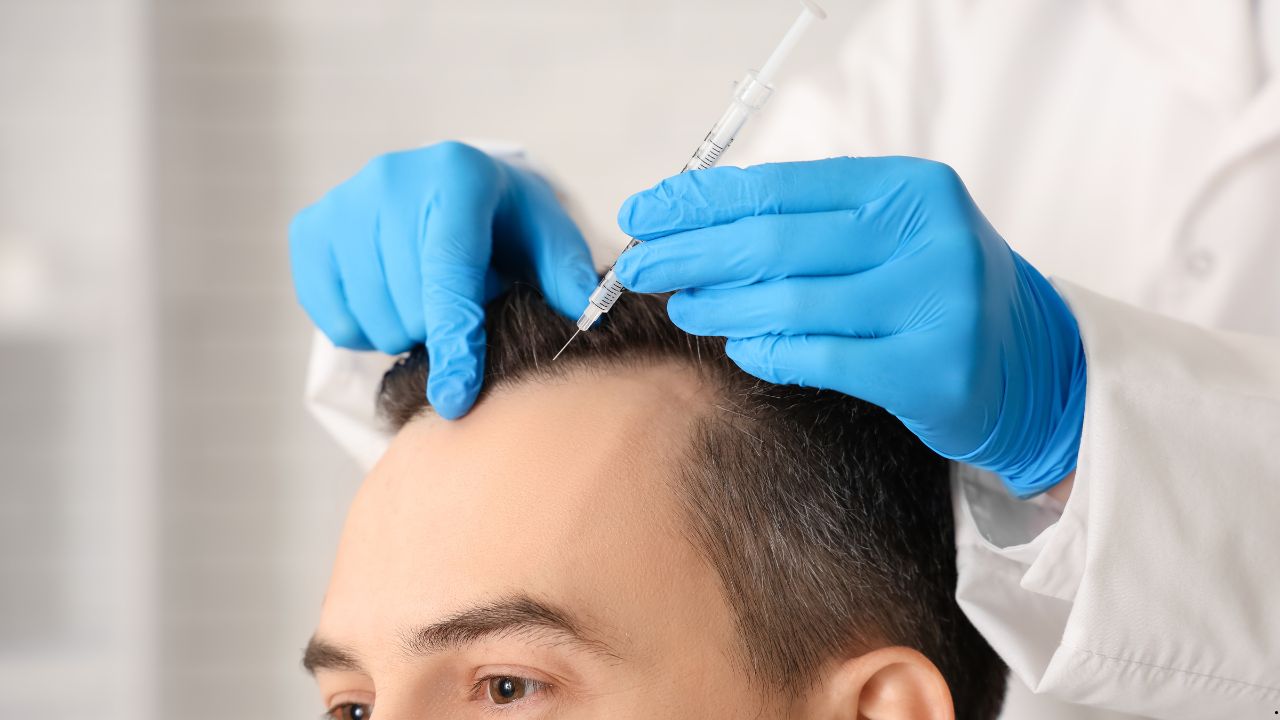
Hair loss can feel like losing a part of yourself. Many people look in the mirror and barely recognize the person staring back. Fortunately, modern medicine offers real solutions. Hair transplantation has become one of the most popular cosmetic procedures worldwide. This guide will walk you through everything you need to know about this life-changing treatment.
What Exactly Is a Hair Transplant?
A hair transplant is a surgical procedure that moves hair from one part of your body to another. Typically, doctors take hair from the back or sides of your head and transplant it to thinning or balding areas. The process sounds simple, but it requires skill and precision.
The procedure has evolved significantly over the years. Early methods often left patients with unnatural-looking results. However, modern techniques produce incredibly natural outcomes. Today's procedures look so authentic that nobody can tell you've had work done.
Key benefits include:
Permanent results that last a lifetime
Natural-looking hairline restoration
No ongoing maintenance required
Boosts confidence and self-esteem
Why Do People Choose Hair Transplantation?
Hair loss affects millions of people worldwide. Moreover, it doesn't discriminate based on age or gender. While genetics play a major role, other factors contribute too. Stress, hormonal changes, and certain medical conditions can all trigger hair loss.
Many people try temporary solutions first. Wigs, hairpieces, and topical treatments might work initially. Nevertheless, these options require constant upkeep. Additionally, they can feel uncomfortable or look artificial. That's why hair transplantation offers a more permanent solution.
The psychological impact of hair loss runs deep. Studies show that losing hair can affect self-confidence and social interactions. Furthermore, it can impact professional opportunities. People often report feeling older or less attractive. Therefore, restoring hair can dramatically improve quality of life.
Different Types of Hair Transplant Methods
Two main techniques dominate the field today. Each method has unique advantages depending on individual needs.
FUT (Follicular Unit Transplantation) involves removing a strip of scalp from the donor area. Surgeons then divide this strip into individual follicular units. Next, they implant these units into the recipient area. This method can transplant many grafts in one session. However, it does leave a linear scar.
FUE (Follicular Unit Extraction) takes a different approach. Instead of removing a strip, doctors extract individual follicles directly. This method leaves tiny, barely visible scars. Consequently, it appeals to people who want to wear their hair very short. The recovery time is typically faster too.
Both methods work well when performed correctly. The choice depends on several factors. These include the extent of hair loss, hair type, and personal preferences. A qualified surgeon can recommend the best option for your situation.
The Actual Procedure: What Happens Step by Step
Understanding the process helps reduce anxiety. Most procedures follow a similar pattern, though details vary.
First, the surgeon marks the areas for extraction and transplantation. Then, they administer local anesthesia to numb the scalp. You'll remain awake throughout the procedure, but you won't feel pain. Some people even watch movies or listen to music during the process.
Next comes the extraction phase. Depending on the method chosen, the surgeon either removes a strip or extracts individual follicles. This part takes the most time. Meanwhile, technicians prepare the extracted follicles under microscopes.
After extraction, the surgeon creates tiny incisions in the recipient area. They carefully angle each incision to match your natural hair growth pattern. Finally, they implant each follicle individually. This meticulous work determines the final appearance.
The entire procedure can take anywhere from four to eight hours. Consequently, patience is essential. However, the time investment pays off with lasting results.
Recovery and What to Expect Afterward
Recovery varies from person to person. Nonetheless, most people return to work within a few days. The initial healing phase requires some care and attention.
Immediately after the procedure, your scalp will feel tender. Small scabs form around each transplanted follicle. These scabs typically fall off within two weeks. During this time, following your doctor's instructions is crucial.
Important recovery tips:
Avoid touching or scratching the transplanted area
Sleep with your head elevated for the first few nights
Skip strenuous exercise for at least two weeks
Protect your scalp from direct sunlight
Around two to three weeks post-surgery, something unexpected happens. The transplanted hair falls out. This phenomenon, called "shock loss," is completely normal. Don't panic when it occurs. The follicles remain healthy beneath the surface.
New growth typically begins around three to four months later. Initially, the hair grows thin and fine. Over time, it becomes thicker and stronger. Full results usually appear between 12 and 18 months. Therefore, patience becomes your greatest ally during recovery.
Choosing the Right Clinic and Surgeon
Selecting the right provider makes all the difference. Not all clinics offer the same quality of care. Research is absolutely essential before making your decision.
Look for clinics with experienced surgeons and proven track records. Gold City has built a reputation for excellence in hair restoration. Their team combines medical expertise with artistic vision. This combination ensures both healthy growth and natural appearance.
Check before-and-after photos from previous patients. Read reviews and testimonials carefully. Additionally, verify the surgeon's credentials and certifications. A qualified professional should happily answer all your questions.
During consultations, pay attention to how staff treat you. They should listen to your concerns and explain options clearly. Furthermore, they should set realistic expectations. Be wary of anyone promising miraculous overnight results.
Cost Considerations and Investment Value
Hair transplant prices vary widely depending on several factors. The extent of hair loss affects the total cost. Moreover, the technique used and the clinic's location play roles too.
While cost matters, it shouldn't be the only deciding factor. Cheaper options might seem attractive initially. However, poor results can end up costing more to fix. Think of hair transplantation as a long-term investment in yourself.
Many clinics offer financing options to make procedures more accessible. Ask about payment plans during your consultation. Some providers also offer package deals that include follow-up care.
Final Thoughts on Hair Restoration
Hair loss doesn't have to be permanent. Modern hair transplant techniques offer genuine solutions that last. The procedure has helped countless people regain not just their hair, but their confidence too.
If you're considering Hair transplantation, take time to research thoroughly. Consult with qualified professionals who understand your goals. Visit reputable centers like Gold City to explore your options. Ask questions, examine results, and make an informed decision.
Remember that everyone's hair loss journey is unique. What works for one person might not suit another. Therefore, personalized consultation is key. With the right approach and skilled professionals, you can achieve the natural-looking results you desire.
Taking that first step might feel overwhelming. However, thousands of people have walked this path before you. Their transformed lives stand as testimony to the power of modern hair restoration. Your journey to renewed confidence could begin today.
