Why Testing Your Home's Air Quality Matters More Than You Think
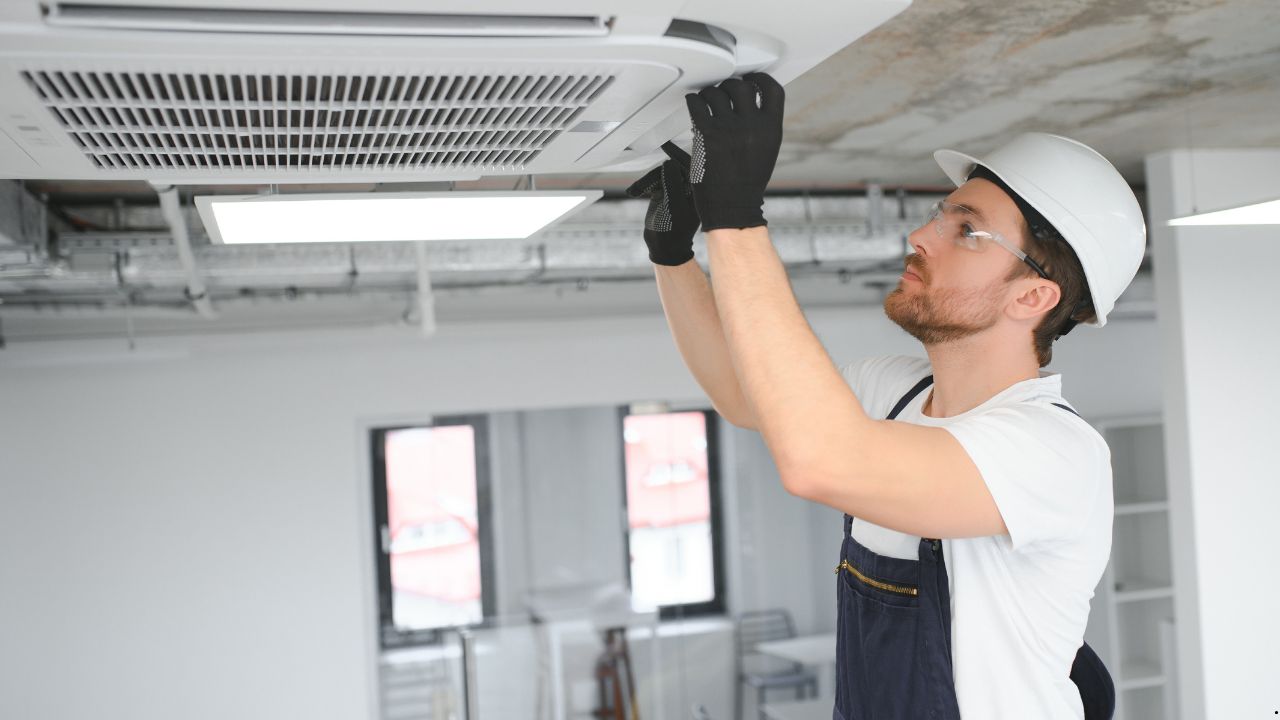
Most of us spend about 90% of our time indoors. That's a lot of hours breathing the same air in our homes and workplaces. But here's something that might surprise you: the air inside your home can be two to five times more polluted than outdoor air. This is exactly why Indoor Air Quality Testing has become so important for families everywhere.
Many people assume that closing windows and doors keeps pollution out. However, the truth is quite different. Your home can trap all sorts of invisible pollutants that build up over time. These hidden dangers can affect your health without you even realizing it.
What Makes Indoor Air Unhealthy?
The air inside your home contains more than just oxygen. In fact, there are several common pollutants that most homeowners don't know about:
Dust mites and pet dander that trigger allergies
Mold spores growing in damp areas
Chemical fumes from cleaning products
Carbon monoxide from gas appliances
Radon gas seeping through foundations
Additionally, newer homes are built to be more airtight for energy efficiency. While this saves money on heating and cooling, it also means less fresh air circulation. Consequently, pollutants get trapped inside with nowhere to go.
Think about all the activities that happen in your home each day. Cooking releases particles into the air. Cleaning products leave chemical residues. Even new furniture and carpets can release gases called VOCs (volatile organic compounds). All of these add up over time.
Signs Your Home Might Have Air Quality Problems
Your body often tells you when something's wrong with your indoor air. Therefore, it's important to pay attention to certain symptoms that keep coming back.
Do you notice that your allergies seem worse at home than outside? Maybe you wake up with a stuffy nose or scratchy throat. Perhaps you feel tired and get headaches for no clear reason. These could all be signs that your air quality needs attention.
Furthermore, some visible clues can point to air problems. Water stains on ceilings or walls often mean moisture issues. Condensation on windows suggests poor ventilation. A musty smell in certain rooms typically indicates mold growth. Black spots in bathroom corners or around windows are another red flag.
If anyone in your family has asthma, you might notice their symptoms getting worse indoors. Kids and elderly family members are especially sensitive to poor air quality. In other words, they often show symptoms first.
How Indoor Air Quality Testing Actually Works
Professional Indoor Air Quality Testing isn't complicated, but it does require proper equipment and expertise. First, a trained technician visits your home with specialized tools. They check different areas because air quality can vary from room to room.
The testing process usually includes several steps. Initially, technicians measure humidity levels since too much moisture encourages mold growth. They also test for carbon monoxide, which is an odorless gas that can be deadly. Moreover, they check for radon, another invisible threat that comes from the ground beneath your home.
For mold testing, professionals collect air samples and surface samples. These go to a lab for analysis. The results show exactly what types of mold are present and in what amounts. Similarly, VOC testing identifies chemical pollutants from household products, furniture, or building materials.
Most tests take between two to four hours, depending on your home's size. Then, within a few days, you get a detailed report. This report explains what was found and how serious any problems might be.
The Real Benefits of Getting Your Air Tested
Once you complete Indoor Air Quality Testing, you gain valuable information about your living environment. Most importantly, you'll know exactly what you're dealing with instead of just guessing.
The results help you make smart decisions about improvements. For instance, if mold spores are high, you know you need better ventilation or dehumidifiers. If VOCs are elevated, you might switch to natural cleaning products. When carbon monoxide shows up, you'll fix or replace faulty appliances right away.
Beyond health benefits, good air quality actually protects your home too. Excess moisture that leads to mold can damage walls, floors, and furniture. Preventing these problems saves money on repairs down the road.
Many people also notice they sleep better after improving their air quality. Kids concentrate better on homework. Adults have more energy throughout the day. These improvements in daily life are worth the investment in testing.
When Should You Test Your Home's Air?
Certain situations make testing especially important. For example, if you're buying a new home, testing should happen before you move in. This way, you know what you're getting into and can negotiate repairs if needed.
After water damage from leaks or flooding, testing becomes critical. Even if you cleaned up quickly, mold can still develop in hidden spaces. Therefore, testing confirms whether remediation worked properly.
Similarly, before and after major renovations, testing makes sense. Construction stirs up dust and releases chemicals from new materials. Knowing the air quality helps protect your family during this process.
If someone in your household develops unexplained health issues, testing can provide answers. Sometimes, the cause of persistent symptoms is literally in the air around you.
Taking Action After Your Test Results
Getting your test results is just the beginning. The next step involves making improvements based on what was found through Indoor Air Quality Testing.
Simple fixes often make a big difference. Opening windows regularly brings in fresh air. Using exhaust fans while cooking removes pollutants. Changing HVAC filters monthly keeps systems running clean.
For bigger problems, you might need professional help. Mold remediation specialists can remove dangerous growth safely. HVAC technicians can improve ventilation systems. Radon mitigation experts can install systems to reduce radon levels.
Remember, improving air quality is an ongoing process, not a one-time fix. Regular maintenance and periodic retesting ensure your home stays healthy.
Your Family Deserves Clean Air
At the end of the day, your home should be your safest place. Clean air isn't a luxury – it's a necessity for good health and wellbeing.
Indoor Air Quality Testing gives you the knowledge you need to protect your loved ones. It takes the guesswork out of indoor air concerns and provides a clear path forward. Whether you're dealing with allergies, worried about invisible threats, or just want peace of mind, testing is a smart investment in your family's future.
Don't wait until health problems develop. Be proactive about the air you breathe every single day. After all, you wouldn't drink water without knowing it's safe. The same logic applies to the air filling your home.
