Power over Ethernet in RK3566 Android SBC Designs: Practical Engineering Notes
Introduction
In many current embedded deployments, Android-based single board computers are no longer development platforms sitting on a workbench. They are installed inside factory control panels, smart building terminals, access control systems, and distributed monitoring nodes. Once deployed, these systems are expected to run continuously with minimal maintenance.
When moving from prototype to production, power delivery quickly becomes a core architectural decision. In wall-mounted HMIs or ceiling-installed terminals, adding an AC outlet can complicate installation and increase cost. In these scenarios, Power over Ethernet (PoE) becomes more than a convenience feature—it becomes part of the system strategy.
This article looks at PoE integration on an RK3566-based Android SBC from a practical engineering perspective. Rather than focusing on generic benefits, we will examine real power consumption, hardware topology, thermal constraints, and field deployment considerations.
Why PoE Is Attractive for RK3566 Android Platforms
One Cable Instead of Two
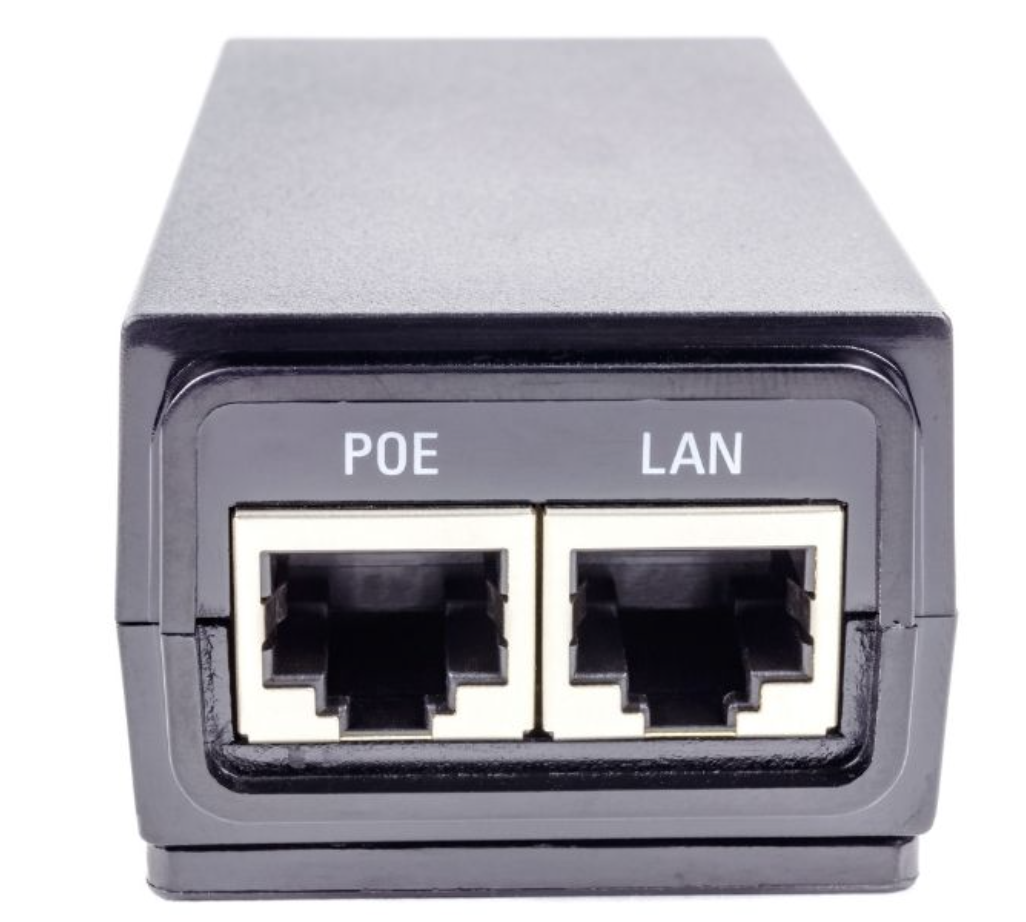
PoE allows both data and power to be delivered through a single Ethernet cable. In real-world installations, this simplifies wiring significantly. If Ethernet is already present in the infrastructure, no additional power routing is required.
For integrators working on large building automation or industrial projects, reducing even one cable per device can save substantial installation time.
Centralized Power Control
Using a PoE switch or injector (PSE) provides centralized power management. This enables:
- Backup power through a UPS connected to the switch
- Remote rebooting of individual devices
- Monitoring of power consumption per port
In practice, remote PoE port reset often resolves issues that initially appear to be software faults.
Electrical Efficiency Over Distance
PoE operates around 48V DC. Compared to distributing 5V or 12V over long cable runs, 48V reduces current and associated losses. This is especially beneficial in distributed industrial systems where cable lengths approach Ethernet limits.
Selecting the Right PoE Standard
PoE implementations must follow IEEE standards:
- IEEE 802.3af: up to 15.4W at the PSE
- IEEE 802.3at (PoE+): up to 30W at the PSE
- IEEE 802.3bt: up to 60W or 90W depending on type
For most RK3566 Android panels equipped with a 7–10 inch display, PoE+ is the realistic baseline. Standard 802.3af often lacks sufficient margin once display backlight and peak CPU load are considered.
Estimating Real Power Consumption
Power calculations should be based on measured data, not nominal SoC specifications.
A typical RK3566 Android HMI configuration might include:
- RK3566 system idle: 3–4W
- CPU-intensive load: 6–8W
- LCD panel and backlight: 5–8W
- Touch controller and minor peripherals: ~1W
- USB device (optional): 2–3W
Under full load, total consumption can reach 15–20W. Considering DC/DC conversion efficiency (typically 85–92%), the PoE input may need to supply 22–24W.
Designing without headroom often results in instability during peak demand or high ambient temperature conditions.
Hardware Architecture for PoE-Enabled RK3566 Boards
A PoE-capable Android SBC typically consists of:
- Ethernet PHY
- Magnetics (isolation transformer)
- PoE PD controller
- Isolation stage
- 48V to intermediate rail converter
- Secondary regulators for 12V, 5V, 3.3V, and core rails
- RK3566 subsystem
PoE PD Controller
The PD controller manages detection, classification, and power negotiation with the PSE. Proper compliance ensures safe startup and prevents port shutdown.
Isolation and Safety
Ethernet inherently requires galvanic isolation. The PoE path must maintain isolation between cable-side circuitry and system ground. This affects PCB layout, creepage distances, and transformer design.
Power Conversion Strategy
The 48V input must be stepped down efficiently. Common implementations use:
- Isolated flyback topology
- Followed by synchronous buck converters
Efficiency directly impacts thermal performance. Even small losses become noticeable inside sealed enclosures.
Thermal Implications
Additional Heat from PoE Conversion
Besides heat from the RK3566 and display backlight, the PoE conversion stage adds its own thermal load. In compact panel designs, the power section often becomes the hottest zone.
Fanless Constraints
Most industrial Android panels are fanless. In wall-mounted enclosures, airflow is limited. Effective strategies include:
- High-efficiency regulators
- Adequate copper area for heat spreading
- Thermal coupling to the metal chassis
Designing with Margin
Operating close to maximum PoE class limits increases risk during high ambient temperature conditions. Conservative design margins improve long-term reliability.
Software-Level Considerations
Startup Current Profile
Android systems do not ramp up gradually. Backlight drivers, DRAM initialization, and CPU frequency scaling create short transient peaks. Poor soft-start design can cause PoE ports to shut down during boot.
Remote Recovery
One operational advantage of PoE is remote power cycling. Combined with software watchdog mechanisms, this provides a practical recovery path for unattended installations.
Power Monitoring
Some PD controllers offer telemetry functions. Monitoring power usage can help identify abnormal conditions such as unexpected load increases.
EMC and Protection
Surge and ESD Protection
Industrial Ethernet environments can be electrically noisy. Proper TVS diodes, common-mode chokes, and filtering components are required to maintain stability.
Grounding Strategy
Improper grounding may introduce noise into sensitive subsystems such as touch controllers or display interfaces. Careful separation of system ground and chassis ground is necessary.
Cable Quality
Standard Ethernet length limits (100 meters) still apply. Low-quality cabling increases voltage drop and may lead to intermittent operation under high load.
When PoE Is the Right Choice
PoE is well suited for:
- 7–10 inch Android HMI panels
- Access control terminals
- Smart building interfaces
- Industrial monitoring systems
It may not be optimal for:
- Large high-brightness displays
- GPU-heavy multimedia systems
- High-power edge AI platforms
In such cases, IEEE 802.3bt or traditional power solutions should be evaluated.
Conclusion
Integrating PoE into an RK3566 Android SBC affects more than just the power input stage. It influences power budgeting, thermal behavior, PCB layout, and deployment strategy.
When carefully designed, PoE simplifies installation and enables centralized power management. For network-connected Android panels in industrial environments, it often represents a clean and scalable power architecture.
As Ethernet remains central to industrial communication, PoE-enabled Android SBC platforms will continue to play an important role in distributed control and human-machine interface systems.