Revolutionize Your Posts with AI Image Generator
Social media success hinges on visual appeal, yet creating compelling images consistently drains time and resources from content creators. AI image generators have emerged as powerful allies in this challenge, offering the ability to produce professional-quality visuals in seconds rather than hours. These intelligent tools harness machine learning algorithms to transform simple text descriptions into stunning graphics that capture attention and drive engagement.
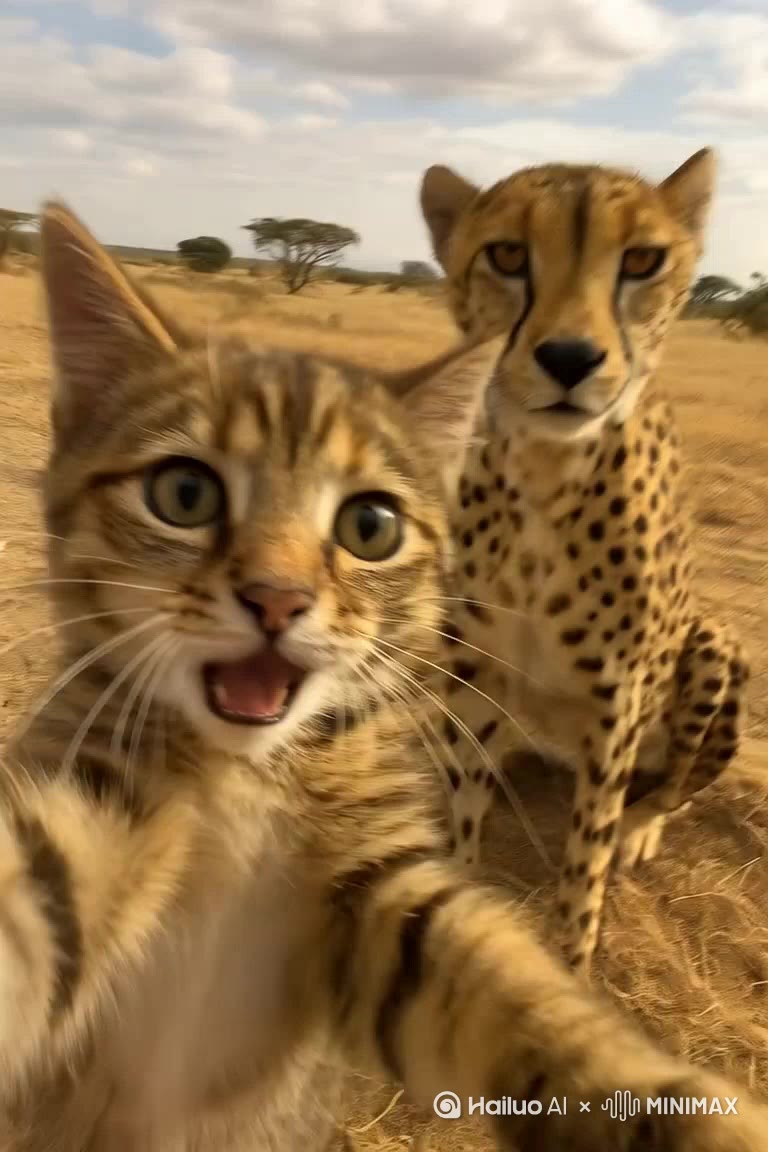
The demand for fresh, eye-catching content never stops, but traditional design methods struggle to keep pace with the relentless posting schedules modern platforms require. AI image generators bridge this gap by providing instant access to creative possibilities that would otherwise require extensive design skills or expensive software. Whether you're managing multiple social accounts, running marketing campaigns, or building your personal brand, these tools democratize visual content creation.
This article explores how AI image generators can revolutionize your social media strategy, examining their capabilities, benefits, and practical applications that will elevate your content above the noise.
Understanding AI Image Generators
AI image generators are sophisticated software tools that use artificial intelligence and machine learning models to create original images from text descriptions. These systems have been trained on millions of images, learning patterns, styles, and visual relationships that enable them to interpret your words and translate them into corresponding visuals. When you type a prompt like "sunset over mountains with vibrant purple sky," the AI processes this request through neural networks that understand both language and visual concepts, generating a unique image that matches your description.
The technology behind these generators relies on deep learning architectures that can produce everything from photorealistic images to abstract art, illustrations, and stylized graphics. Modern AI image generators offer remarkable versatility, allowing you to specify artistic styles, color palettes, composition elements, and mood within your text prompts. The generation process typically takes anywhere from a few seconds to under a minute, delivering high-resolution images suitable for social media platforms without requiring any design experience or technical knowledge.
What makes these tools particularly powerful is their ability to iterate rapidly. If the first result doesn't perfectly match your vision, you can refine your prompt or generate multiple variations until you find the ideal image. This iterative capability transforms content creation from a linear, time-consuming process into an exploratory journey where creativity flows freely and visual ideas materialize instantly at your command.
Benefits of Using AI Image Generators
AI image generators unlock creative possibilities that traditional methods struggle to match, allowing you to experiment with diverse visual styles, concepts, and compositions without technical barriers. You can explore surreal landscapes, abstract designs, character illustrations, or photorealistic scenes simply by adjusting your text prompts. This freedom removes the constraints of stock photo libraries and template-based designs, enabling you to craft truly original visuals that align perfectly with your brand voice and messaging. The ability to generate multiple variations instantly means you can test different visual approaches and select the most compelling option for your audience.
Engagement rates consistently improve when posts feature unique, attention-grabbing visuals that stand out in crowded social feeds. AI-generated images offer this distinctiveness by creating content that doesn't look like recycled stock photography or generic templates. Your audience encounters fresh, customized visuals that feel specifically crafted for your message rather than borrowed from overused image banks. This originality captures scrolling attention and encourages likes, shares, and comments that amplify your reach organically.
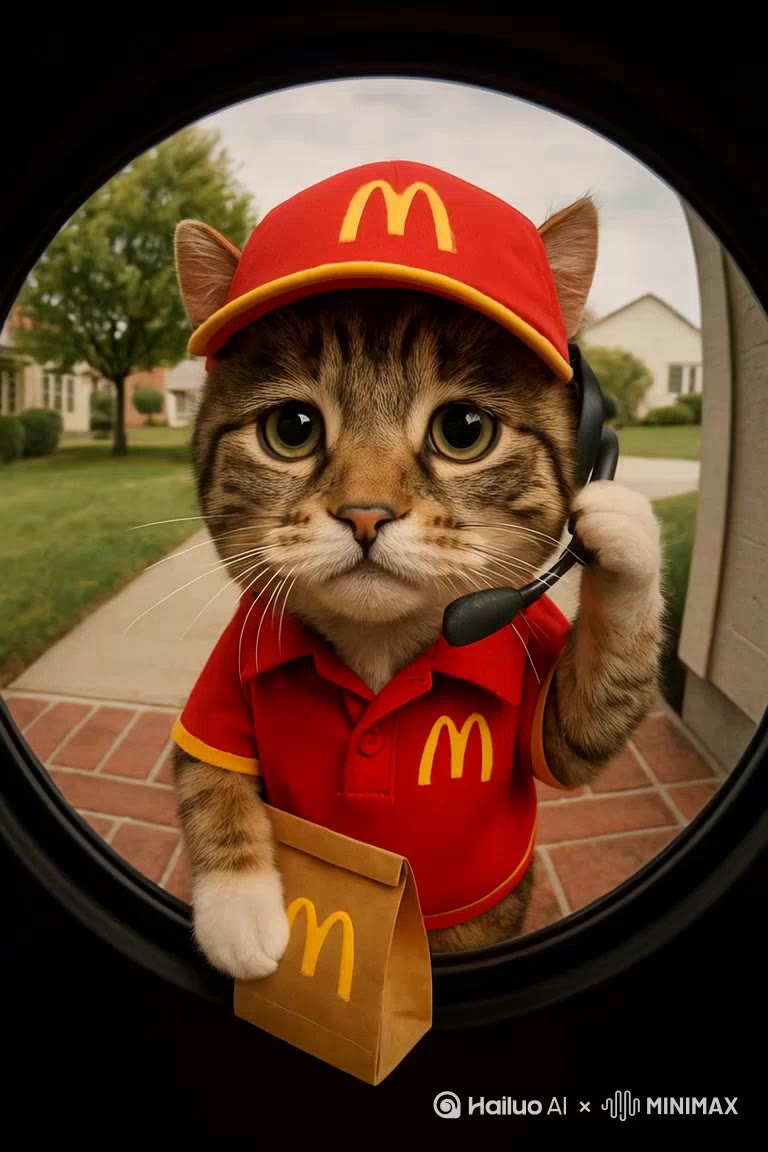
Time efficiency represents perhaps the most transformative benefit for busy content creators and marketers juggling multiple responsibilities. What once required hours of design work, software mastery, or waiting for freelancer deliveries now happens in under a minute. You can generate complete visual assets during the same session you're writing captions, maintaining creative momentum and meeting tight posting schedules without compromise. This acceleration doesn't sacrifice quality but rather redirects your valuable time toward strategy, community engagement, and content refinement.
Comparing AI Image Generators with Traditional Methods
Traditional content creation methods present significant obstacles that slow down your social media workflow and limit creative output. Hiring professional designers requires budget allocation, project briefings, revision cycles, and waiting periods that can stretch from days to weeks for a single image. Stock photography subscriptions provide faster access but trap you in a cycle of generic visuals that thousands of other accounts use simultaneously, diluting your brand's uniqueness. DIY design through software like Photoshop demands substantial learning investment, ongoing practice, and hours of work per image, creating bottlenecks that prevent consistent posting schedules.
AI image generators eliminate these friction points by delivering custom visuals instantly without requiring design expertise, financial investment in freelancers, or reliance on overused stock libraries. Where traditional methods force you to choose between speed, quality, and originality, AI tools provide all three simultaneously. The cost structure shifts dramatically as well—instead of paying per project or maintaining expensive software subscriptions, many AI generators offer affordable plans that provide unlimited generation capabilities. This economic advantage becomes particularly pronounced for small businesses and independent creators operating on tight budgets.
The creative control you maintain with AI generators surpasses traditional limitations by allowing real-time experimentation and immediate results. Rather than explaining your vision to a designer and hoping the interpretation matches your expectations, you directly shape the output through iterative prompt refinement. This hands-on approach preserves your creative intent while accelerating execution, giving you both autonomy and efficiency that traditional workflows cannot replicate at comparable speeds or costs.
Choosing the Right AI Image Generator
Selecting an AI image generator that aligns with your specific needs requires evaluating several key features that directly impact your content creation workflow. Look for platforms that offer intuitive prompt interfaces where you can easily describe your vision without learning complex syntax or technical commands. Image resolution capabilities matter significantly—ensure the tool generates high-quality outputs suitable for various social media platforms, from Instagram's square formats to Twitter's landscape dimensions. Style versatility is equally important; the best generators provide options ranging from photorealistic renders to artistic illustrations, giving you flexibility to match different campaign aesthetics and brand requirements.
Your decision should factor in generation speed, especially if you're managing time-sensitive campaigns or maintaining daily posting schedules across multiple accounts. Test how quickly different platforms produce results and whether they allow batch generation for creating multiple variations simultaneously. Consider the licensing terms carefully—some tools grant full commercial usage rights while others impose restrictions that could limit how you deploy your generated images. Integration capabilities with your existing workflow tools, such as social media schedulers or content management systems, can streamline your process further.
Budget considerations extend beyond monthly subscription costs to include generation limits, image ownership, and scalability as your needs grow. Free tiers often provide excellent starting points for experimentation, allowing you to assess output quality and interface usability before committing financially. Platforms like HailuoAI and others in the space offer varying approaches to AI-powered content creation, so exploring multiple options helps identify which tool best matches your workflow. Read user reviews focusing on customer support responsiveness and platform stability, as technical issues during critical posting windows can derail your content calendar. Match the generator's strengths to your primary use cases—whether you need character consistency for brand mascots, landscape generation for travel content, or abstract designs for creative campaigns—ensuring the tool excels in your specific application area.
Step-by-Step Guide to Using an AI Image Generator
Begin by crafting a clear, descriptive prompt that captures your visual concept with specific details about subject matter, style, colors, and mood. Instead of vague requests like "create a business image," write "professional office workspace with natural lighting, minimalist design, laptop on wooden desk, plants in background, warm afternoon ambiance." The more precise your description, the closer the output matches your vision. Include stylistic references such as "photorealistic," "watercolor illustration," or "vintage poster style" to guide the aesthetic direction.
Once you've entered your prompt, generate multiple variations to explore different interpretations of your concept. Most AI generators allow you to create several versions simultaneously, giving you options to compare and select the strongest visual. Review each output critically, assessing composition, color balance, and alignment with your brand identity. If results fall short of expectations, refine your prompt by adding descriptive details, adjusting style keywords, or specifying elements to emphasize or exclude.
After selecting your ideal image, optimize it for your target social media platform by adjusting dimensions, file size, and format. Instagram posts perform best at 1080x1080 pixels for square posts or 1080x1350 for vertical formats, while Twitter favors 1200x675 landscape images. Compress files to balance quality with fast loading times, keeping images under 1MB when possible. Add text overlays, logos, or branding elements using simple editing tools to maintain consistency across your content library. Test your finalized image across different devices to ensure visual impact translates effectively on both mobile and desktop screens before scheduling your post.
Real-World Examples of AI Image Generators in Action
A boutique fashion brand struggling with limited marketing budgets transformed their Instagram presence by using AI image generators to create seasonal campaign visuals. Instead of expensive photoshoots, they generated lifestyle images featuring their clothing concepts in various settings—urban streetscapes, cozy cafés, and scenic outdoor locations. This approach reduced their content production costs by seventy percent while increasing engagement rates by forty-five percent, as followers responded enthusiastically to the fresh, consistent aesthetic that aligned perfectly with their brand identity.
An independent travel blogger leveraged AI generators to maintain posting momentum during off-season periods when travel wasn't feasible. By creating imaginative destination visuals and atmospheric scenes that complemented her written content, she kept her audience engaged between actual trips. Her follower growth accelerated as the unique, dreamlike quality of AI-generated landscapes differentiated her feed from standard travel photography, attracting partnerships with tourism boards seeking innovative promotional approaches.
A digital marketing agency serving multiple clients simultaneously adopted AI image generators to meet demanding content calendars across diverse industries. They generated customized visuals for real estate listings, restaurant promotions, fitness campaigns, and tech product launches—all within the same day. This operational efficiency allowed them to expand their client roster without hiring additional designers, while maintaining quality standards that satisfied varied brand requirements. Their clients reported improved social media performance metrics and appreciated the rapid turnaround times that kept campaigns agile and responsive to market trends.
Addressing Common Concerns
Many creators worry that AI-generated images lack authenticity or appear obviously artificial, potentially damaging their brand credibility. Modern AI generators have evolved significantly beyond early iterations, now producing visuals that seamlessly blend with traditional content when used thoughtfully. The key lies in strategic application—using AI for conceptual illustrations, stylized graphics, and creative compositions rather than attempting to replace genuine photography where human connection matters most. Your audience values creativity and consistency more than they scrutinize production methods, and when AI-generated visuals enhance your message effectively, they serve your brand authentically.
Copyright and ownership questions frequently arise, causing hesitation about commercial usage rights for generated images. Reputable AI image generators typically grant full commercial licenses for content you create, meaning you own the outputs and can use them freely across your social media channels without legal complications. Always review the specific terms of service for your chosen platform, as policies vary between providers. Most established tools explicitly address these concerns in their licensing agreements, providing clear guidelines that protect your usage rights and eliminate ambiguity about content ownership.
Some creators fear that relying on AI will diminish their creative skills or make their content indistinguishable from competitors using similar tools. This misconception overlooks how AI generators function as creative amplifiers rather than replacements for human creativity. Your unique prompts, brand vision, aesthetic choices, and strategic implementation determine the final results—the AI simply executes your creative direction faster. Two creators using identical tools will produce vastly different content based on their individual perspectives and approaches. Think of AI generators as advanced brushes that expand your creative toolkit rather than automated systems that homogenize output, and you'll discover they actually enhance rather than limit your distinctive creative voice.
Future of AI Image Generators
The trajectory of AI image generation points toward increasingly sophisticated capabilities that will further streamline content creation workflows. Emerging developments focus on contextual understanding, where AI systems will analyze your existing brand assets, color schemes, and visual history to automatically generate images that maintain perfect consistency across your content library. Future generators will likely offer real-time editing capabilities, allowing you to adjust specific elements within generated images through conversational commands rather than starting from scratch with new prompts. Enhanced resolution outputs will support larger format requirements beyond social media, expanding into print materials, billboards, and video content creation.
Integration with complementary technologies will transform AI image generators from standalone tools into comprehensive content ecosystems. Expect seamless connections with movie maker platforms that turn static AI images into animated sequences, social media schedulers that automatically generate and post visuals based on your content calendar, and analytics systems that learn which visual styles drive the highest engagement for your specific audience. Voice-activated generation will enable hands-free content creation, while augmented reality features may allow you to preview how generated images appear in physical spaces before finalizing designs.
Personalization algorithms will evolve to understand individual audience preferences, generating variations optimized for different demographic segments within your follower base. As these tools become more accessible and powerful, they'll democratize professional-quality visual content creation even further, empowering creators at every level to compete visually with established brands. The competitive advantage will shift from access to design resources toward creative vision and strategic implementation, rewarding those who master prompt crafting and understand how to leverage AI capabilities most effectively for their unique brand narratives.
Transform Your Social Media with AI-Generated Visuals
AI image generators represent a transformative shift in how social media content gets created, offering unprecedented speed, creativity, and accessibility that traditional methods cannot match. These intelligent tools eliminate the barriers of expensive design software, lengthy production timelines, and limited creative resources that once restricted content creators from maintaining consistent, high-quality visual presence across their platforms. By transforming simple text descriptions into professional-grade images within seconds, AI generators empower you to focus on strategy, messaging, and audience connection rather than technical execution.
The benefits extend beyond mere convenience—AI-generated visuals drive measurable improvements in engagement rates, brand differentiation, and content output capacity that directly impact your social media success. Whether you're an independent creator building your personal brand, a small business competing for attention, or a marketing professional managing multiple campaigns, these tools level the playing field and unlock creative possibilities previously reserved for those with substantial budgets and design teams.
Now is the ideal time to explore AI image generators and discover how they can revolutionize your content creation workflow. Start with free trials, experiment with different prompts, and witness firsthand how quickly you can produce distinctive visuals that capture attention and resonate with your audience. The future of social media content creation has arrived, and it's more accessible, efficient, and creatively empowering than ever before.
