조란 맘다니(Zohran Mamdani)의 뉴욕시 시장 당선: 의미와 과제
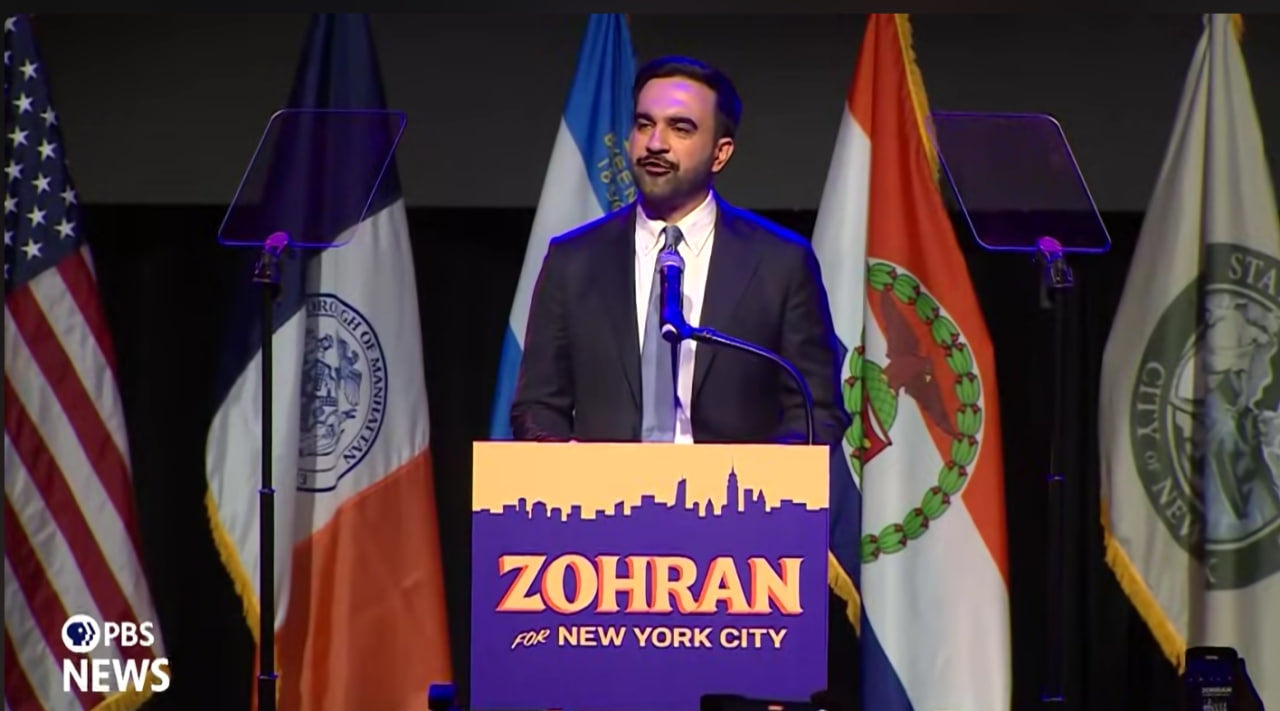
2025년 11월 4일, 조란 맘다니(Zohran Mamdani)는 뉴욕시 시장 선거에서 민주당 후보로서 압도적인 승리를 거두며, 전 뉴욕주 지사 앤드루 쿠오모(Andrew Cuomo)를 꺾고 당선되었습니다. 33세의 젊은 민주 사회주의자(DSA 소속)인 그는 퀸스(Queens) 주의원 출신으로, 불과 1년 전 1% 지지율에 불과했던 '항의 후보'에서 뉴욕시의 새로운 지도자로 부상했습니다. 이 승리는 미국 정치 지형에 새로운 물결을 일으키며, 특히 경제 불평등과 세대 교체의 상징으로 평가받고 있습니다. 아래에서 그의 당선 의미와 직면한 과제를 살펴보겠습니다.
당선의 의미
맘다니의 승리는 단순한 개인적 성공을 넘어, 미국 진보 정치의 가능성을 보여주는 이정표입니다. 주요 의미는 다음과 같습니다:
-
민주 사회주의의 대승과 조직력 증명: 맘다니는 DSA의 강력한 풀뿌리 조직(약 8,000명 회원)을 바탕으로 30,000명 이상의 자원봉사자를 동원해 문 두드리기 캠페인을 펼쳤습니다. 소셜 미디어(특히 TikTok과 Instagram의 짧은 비디오)를 활용한 '네이티브' 콘텐츠 전략으로 젊은 층(35세 미만)을 대거 끌어들였으며, 신규 유권자 37,000명을 등록시켰습니다. 이는 2024년 대선 패배 후 민주당의 '중도 피벗' 논리에 대한 반박으로, 억만장자들의 무제한 자금과 공격 광고, 심지어 트럼프 대통령의 개입에도 불구하고 승리한 사례로 기록됩니다. 이로 인해 DSA는 전국적으로 영감을 주며, 노동자 중심의 경제 포퓰리즘(부자 vs. 노동자)이 트럼프주의를 이길 수 있음을 입증했습니다.
-
다양성과 포용의 상징: 뉴욕시 역사상 첫 무슬림 및 남아시아계(우간다 태생 이민자 가정) 시장으로 당선된 맘다니는, 이민자와 소수민족 커뮤니티의 목소리를 대변합니다. 그의 승리는 세대·이념 변화의 물결을 타고 일어났으며, 비용 상승(주택, 교통, 보육)에 초점을 맞춘 구체적 공약(임대료 동결, 무료 버스, 보육 지원)이 폭넓은 지지를 얻었습니다. 이는 2024년 대선에서 민주당이 놓친 '주방 테이블 경제(kitchen-table economics)' 이슈를 강조하며, 전국 민주당에 교훈을 줍니다.
-
트럼프 시대 저항의 신호탄: 맘다니는 당선 연설에서 '올리가키(寡頭政治)와 권위주의'를 비판하며 트럼프를 직접 겨냥했습니다. 그의 승리는 민주당 내 주류(중도파)와의 긴장 속에서도 좌파가 '행복한 포퓰리즘(happy populist)'으로 대중을 결집할 수 있음을 보여주며, 2026년 중간선거에서 진보 세력의 부상을 예고합니다. 또한, 팔레스타인 권리 지지와 BDS 운동 지지 등으로 국제 이슈에서도 목소리를 냈습니다.
이러한 의미는 뉴욕을 넘어 전국적 파급력을 가지며, 사회주의 아이디어가 '극단적'이 아닌 실용적 대안으로 자리 잡을 수 있음을 시사합니다.
직면한 과제
맘다니의 이상적인 '시장 사회주의(market socialism)' 비전—노동자 협동조합, 공공 은행, 부유세 강화—은 매력적이지만, 실행 과정에서 치열한 도전을 맞을 전망입니다. 주요 과제는 다음과 같습니다:
| 과제 영역 | 구체적 내용 | 잠재적 장애물 |
|---|---|---|
| 경제·정책 실행 | 임대료 동결, 무료 버스·보육, 시립 식료품점 운영, 기업세 11.5% 인상 및 100만 달러 이상 소득 2% 추가세 도입으로 affordability 정책 추진. | 비용 부담(예: 보육·버스 무료화로 수백억 달러 필요)과 실현성 문제. 주지사 캐시 호줄(Kathy Hochul)과 주 의회 승인 필요하나, 이들은 세금 인상을 반대하며 기업 유출 우려. 시립 식료품점은 기존 상점 생존을 위협해 반발 초래. |
| 엘리트·비즈니스 반발 | 월스트리트와 억만장자(빌 애크먼, 댄 로브 등)의 '자본 파업(capital strike)' 위협. | 뉴욕의 비즈니스 매력 저하로 기업 이전 가능성. 시장 사회주의 모델에서 노동자 민주주의가 효율성을 떨어뜨릴 수 있다는 비판(예: 해고·혁신 저항). 공공 은행이 정치적 압력으로 '부드러운 예산 제약(soft budget constraints)'에 빠질 위험. |
| 정치적·사회적 공격 | 반유대주의·지하디스트 프레임(공화당 의원들 비난), 이슬람포비아(트럼프 '체포' 위협). | 가자 지구 정책 비판('제노사이드' 표현)으로 유대 커뮤니티와 민주당 내 갈등. 반대파(에릭 아담스 3당 후보, 커티스 슬리와 공화당 후보) 결집 가능성. |
| 운동 기반 강화 | DSA 회원 확대(현재 11,300명)와 노동조합·이민자 보호 운동. | 선거 성공이 조직 기반을 초과해 지속성 위기. 트럼프 행정부의 ICE 단속 대응으로 비폭력 저항(학교 워크아웃 등) 필요하나, 대중 동원 유지 어려움. |
맘다니는 이러한 과제를 극복하기 위해 주류 민주당과의 협력과 풀뿌리 운동 확대를 강조하지만, 역사적 사례(밀워키 '하수 사회주의자'나 피오렐로 라과디아 시장)처럼 장기적 투쟁이 불가피합니다. 그의 리더십은 뉴욕을 '실험실'로 삼아 미국 좌파의 미래를 테스트할 기회가 될 것입니다. 이 승리가 지속 가능한 변화를 가져올지, 아니면 엘리트 반발에 좌초될지는 앞으로의 실행력에 달려 있습니다.
두 축(① 200,000호 공공·저렴주택 건설과 ② 무료 버스(무임승차) 예산/운영 구조)에 대해 원인·숫자·실행 메커니즘·리스크·대응을 실무적 관점에서 정리하고, 인터뷰·레토릭(특히 Z세대 설득 포인트)을 연결했습니다. 핵심 핵심—각 항목 뒤에 관련 근거 출처를 붙였습니다.
A. 200,000호: “무엇(규모·목표) → 어떻게(토지·재원·시공·거버넌스) → 언제(단계·속도)”
요약: Mamdani 캠프는 10년 내 200,000호(“영구적 저렴·노동조합 건설·임대규제 유지”)를 약속했고(공식 약속·비용 추정 약 $100B), 이를 실현하려면 다중 경로(공공토지·재정·법제·모듈러·P3)가 동시에 가동돼야 합니다. (Zohran for NYC)
-
목표의 수치적 의미와 비용 감안
- 캠프 추정: 200,000호·10년·$100B → 단위당 평균 건설·보존비 약 $500k/호(토지·건설·보조금·유지비 포함 가정). (이 숫자가 정책 설계의 출발점이 됩니다.) (TIME)
-
핵심 실행 수단(파이프라인)
(a) 공공토지·시 정부 토지 활성화- 시가 보유한 유휴·공공토지를 우선 배치(학교 인근·시 소유지 재활용). 기존 ‘Housing New York’ 사례처럼 공공토지 확보가 핵심. (New York City Government)
(b) 주/연방 레버리지 — Social Housing Development Authority(제안) - Mamdani 측은 주(Albany) 차원의 사회주택 전담기구(예: Social Housing Development Authority) 설립을 제안해 주(州)자본·채무보증 접근을 확대하려 함. 이는 대규모 자금조달·토지획득에 유리. (The Architect's Newspaper)
(c) 공공-민간 파트너십(P3) + RAD·PBV 등 연방 프로그램 활용 - NYCHA 같은 기존 공공주택을 RAD(Project-based Section 8 전환) 등으로 재자금화해 일부분을 리모델링·보존. 다만 ‘완전 민영화’ 우려 차단 필요. (New York City Government)
(d) 규모화 가능한 건설 방식 - 모듈러·프리패브 건설로 공기·비용 단축(단, 품질·노동조합 합의 필요). 또한 용적률·규제 완화(가급적 MIH·Zoning 변경)를 통해 공급 속도를 높여야 함. (New York City Council)
- 시가 보유한 유휴·공공토지를 우선 배치(학교 인근·시 소유지 재활용). 기존 ‘Housing New York’ 사례처럼 공공토지 확보가 핵심. (New York City Government)
-
재원(자금) 믹스 — 현실적 옵션
- 시 채권(무담보·사용처 지정 Municipal bonds): 시가 투자우선순위로 발행.
- 州·연방 보조금/세제(LIHTC 등): 저소득 주택세액공제·연방 보조의 레버리지.
- 기업·부유층 증세(캠프 제안): 최상위 소득·대기업 증세로 일부 재원 충당(정책·정치적 저항 예상). (TIME)
- 토지값 상승분 확보(TIF 유사), 개발수익 환수(예: MIH 확장): 재개발시 공공 몫 확보. (New York City Council)
-
운영·소유 모델(공영·협동·비영리 혼합)
- ‘영구적 저렴성’을 위해 공영·협동조합·비영리 관리 혼합(mixed tenure)을 설계. 토지임대부 방식(Land Trust)으로 토지 가격 상승을 공공이 장기적으로 통제하면 영구 저렴성 확보에 유리.
-
일정(예시: 10년 목표 모델)
- 0–2년: 토지·금융 프레임·법률(州법 개정 포함) 확정, 시범구역(10k–20k호) 착수
- 3–6년: 대규모 생산(매년 15k–25k호 수준) — 모듈러·P3 가속
- 7–10년: 보존·확장·영구운영체계 완성
- (리스크: 허가지연·건설인력 부족·공사비 인플레가 실적 저해)
-
리스크 및 완충(중요)
- 건설 역량·노동시장 병목: 대규모 건설은 노동·자재 병목 초래. 노동조합과의 조정(임금·현장조건) 필수.
- 정치적 반발(증세·용적 완화에 대한 지역 반대): 시의회·지역 커뮤니티 보드·개발업계와의 거래(cost-benefit) 설계 필요.
- 자금조달 실패(채권시장·주정부 협조): 주·연방 협력 확보가 전제조건.
- 대응: 소규모 파일럿으로 증명, 명확한 성과지표·투명 보고, 커뮤니티 이익보장(이주대책·우선배정) 마련.
B. 무료 버스: 비용 구조·운영·정책적 전제
요약: 무료 버스는 사회적 편익(접근성·불평등 완화·자동차 이용 억제)과 직접적 재정손실(운임수입 상실, 보조금 전환 필요)을 동시에 가져옵니다. NYC 맥락에서는 MTA(주 관할)와의 협력·재원확보가 관건입니다. (CBS News)
-
규모(예산 추정)
- 언론·정책 분석은 무료버스 프로그램의 연간 비용을 약 $500M ~ $800M 정도로 추정합니다(요금 수입 손실 + 추가 운영비·보안·관리비 포함). Mamdani 캠프는 <$800M 추정치가 보도에 등장합니다. (Business Insider)
-
핵심 제약 조건(실행 전제)
- MTA의 관할권: 지하철·버스는 MTA(주 기관)가 운영하므로 주정부 및 MTA 동의가 필요(시가 전액 부담해도 법·조직적 조율 필요). (MTA)
- 치안·운영문제: 무임에 따른 안전·질서 문제(타 도시 사례에서 보고됨). 이에 대한 보완(운영인력·안전대응·사회서비스 병행)이 필요. (New York Post)
-
가능한 재원·대체 메커니즘
- 시 재원 투입: 시 일반기금 또는 지정된 추가세(예: 고소득자 추가세)로 보전.
- 혼합재원: 혼합 — (a) 시 예산 일부, (b) 주 보조, (c) 연방 인프라 보조금, (d) 교통혼잡료·주차·도로 사용료에서 전용.
- 효율성으로 상쇄: 버스 전용차로·우선신호·운행개선으로 운행속도 개선 → 같은 대수로 더 많은 승객 소화 → 승객 혜택 확대(간접적 경제편익). (The Week)
-
운영 설계(권장 패키지)
-
리스크 및 대응
- 재정압박: 연간 수백M 규모가 반복 지출로 전환되므로 장기지속 가능성 문제. → 대체재원(혼합세원·혼합 자본) 마련 필요.
- 정치적 충돌(주정부·MTA의견 불일치): 주와의 협상·법적·제도적 틀 마련 필수.
- 운영문제 사례학습: KS시(예: Kansas City) 등 무임 사례에서의 부작용을 반면교사로 삼아 안전·서비스 동시 투자 필요. (New York Post)
C. 실무적 ‘로드맵’(우선순위·단계별 권장) — 통합안
-
0–6개월(정책정렬)
- 주정부(MTA 포함)·시 의회·노조·커뮤니티 대표와 ‘원탁협의체’ 구성.
- 토지·프로젝트 우선순위(파일럿 지역) 확정, 재원(주·연방·시) 확보 계획 수립.
-
6–24개월(파일럿·인프라 구성)
- 주택: 2–3개 대규모 파일럿(각 1–3천 호 규모) 착수, 모듈러 선도 사용.
- 버스: 기존 MTA 파일럿 확대(노선·기간) → 안전·승객 경험 데이터 수집. (MTA)
-
2–5년(확장)
- 재원 안정화(채권·증세·TIF 혼합), 대규모 생산 개시(연간 10k–20k호 수준 목표).
- 무임버스 단계적 확대 + 서비스 질(버스 우선차로·차량증강) 병행.
-
5–10년(완결·제도화)
- 영구저렴성 장치(토지신탁·협동조합 확산) 정착, 무료교통 운영 조건·성과지표 법제화.
D. 리스크 요약(우선순위)
- 정치적 합의 실패(주·시·의회) → 완충책: 보상·인센티브 패키지, 공개적 성과지표.
- 재원 조달 실패 → 완충책: 단계적 실행·민간 레버리지·연방보조 확보.
- 현장 안전·관리 실패(무임버스) → 완충책: 사회서비스 연계·운영요원+안전인프라 투자.
- 건설·공급 병목 → 완충책: 모듈러·노동조합 합의·공급망 확보.
E. 인터뷰·연설 키워드·레토릭 — “왜 Z세대에게 통했나” (분석 + 실전 문장 샘플)
요약: Z세대는 정책의 ‘실질성(즉시적 편익)’ + 가치(공정·기후·정의) + 소통 방식(짧은 형식·비주얼·진실성)에 민감합니다. Mamdani의 언어는 이 세 축을 충족시키면서 밤낮없이 온라인에서 움직이는 포맷(짧은 영상·밈·직설적 문장)을 잘 활용했습니다. (관련: Pew·학술연구가 Z세대의 소셜미디어 정치 참여 특성 보고). (Pew Research Center)
-
핵심 요소(왜 먹히는가)
- 문제 → 해결(직접적): “너의 월세·버스 요금 때문에 삶이 막막한 것을 정부가 바로잡겠다” 같은 즉효성 메시지. (실질 혜택 약속) (Zohran for NYC)
- 정의·공정성 프레임: 불평등·주거권·노동권을 결합한 내러티브는 Z세대의 가치와 일치. (The Annie E. Casey Foundation)
- 디지털 포맷 친화성: 짧은 클립·밈·해시태그·밈보이스를 통해 속도감 있게 이슈 전파. (TikTok·X 영향 연구 참조) (arXiv)
- 공감·정체성 호소: ‘나도 너처럼 살아본 사람’(젊음·다문화 배경 강조) — 진정성 기반의 스토리텔링.
-
실전 레토릭 키워드(권장)
- “당장” / “지금 당장” / “월급을 밀어넣어도 끝나지 않는 생활비” — 즉각성 강조
- “공정” / “우리 동네 우선 배정” / “영구적 저렴성” — 정의/장기성 강조
- “노동자(건설노동자·버스기사)와 함께” — 노동 연대 강조(조합과의 관계 신뢰 회복에 유리)
- “디지털·투명” / “매달 성과 공개” — 투명성·성과 약속
- “당신의 #버스는무료가 되어야 한다” 같은 행동호소(해시태그)
-
Z세대용 15–30초 인터뷰/릴(예시 문구)
- “월세 때문에 밤잠 못 이루는 사람들을 위해, 우리는 200,000개의 새 집을 지을 겁니다 — 영구히 저렴하게, 당신의 동네에.”
- “버스비가 사라지면 하루치 임금 한 끼가 살아납니다. 무료 버스는 단순한 복지 예산이 아니라, 삶의 문을 여는 투자입니다.”
- (감정+증거) “내가 직접 집주인들과 얘기했고, 이것이 답이라는 것을 알았습니다. 우리는 데이터로, 예산으로 증명하겠습니다.”
-
미디어·전략 팁
- 짧은 증거(숫자 1개) + 개인 사례(10–15초) + 행동호소(해시태그·가입) 포맷을 표준화.
- 투명성 채널: 매달 예산·진도 레포트(짧은 인포그래픽/스레드)로 신뢰 형성. (Z세대는 투명성·데이터를 좋아함) (Pew Research Center)
F. 결론(핵심 요약)
- 200,000호는 기술적으로 가능하나 $100B 수준의 재원·주·연방 협력·토지·건설 역량이 병행 확보돼야 실현 가능. (모듈러·P3·공공토지·세제동원으로 가능성 제고). (TIME)
- 무료 버스는 사회적 편익이 큰 정책이지만 연간 수백M 규모의 재원 보전·MTA(주) 협의·안전 대책이 없는 상태에서는 실행 리스크가 큼. 단계적 파일럿 + 서비스 개선 병행이 권장된다. (Business Insider)
- Z세대 호응 요인은 ‘실질적 이익 + 공정성 가치 + 디지털 네이티브 방식의 소통’의 결합이다. Mamdani가 이를 메시지·포맷으로 일관되게 밀어붙였기 때문에 젊은 층 공감이 컸다. (Pew Research Center)
Mamdani’s electoral success was effectively catalyzed by the Democratic Socialists of America (DSA)'s powerful grassroots organizing and a strategic digital messaging approach that utilized 'native' social media content to mobilize young voters.
The DSA demonstrated significant organizational power, relying on its strong grassroots structure (approximately 8,000 members) to mobilize over 30,000 volunteers for a robust door-knocking campaign. This organizational force showed that worker-centered economic populism could overcome opposition from billionaires' unlimited funds and political attack ads.
The digital strategy focused on utilizing social media platforms, specifically short videos on TikTok and Instagram. This 'native' content was highly effective in attracting the younger demographic (under 35) and resulted in the registration of 37,000 new voters. The messaging resonated with Generation Z by emphasizing immediate practical benefits (like fixing high rents and bus fares) combined with values of fairness and justice (e.g., addressing inequality, housing rights, and labor rights). The campaign utilized digital-native formats, including short clips, memes, and direct statements, often combining short evidence, a personal anecdote, and a clear call to action.
Mamdani's victory established that socialist ideas can serve as a practical alternative, but his proposed "market socialism" vision faces fierce challenges related to funding and political opposition. Would you like to explore the specifics of the major policy obstacles and funding risks for his flagship promises, such as constructing 200,000 affordable homes or implementing free bus services?
The primary political conflicts Zohran Mamdani faces stem from resistance to his market socialist vision and tension with established political powers, particularly those opposed to his fiscal policies.
From business elites (Wall Street and billionaires), Mamdani faces the threat of a 'capital strike'. Billionaires, including figures like Bill Ackman and Dan Loeb, may respond to his policies by threatening to reduce investment or prompt corporate relocation (기업 이전 가능성), fearing a deterioration of New York's business attractiveness. Business interests also raise criticisms that Mamdani's market socialism model, specifically its focus on worker democracy, could potentially reduce efficiency. His plans to fund affordability policies, such as rent freezes, free buses, and childcare, rely partly on implementing a corporate tax hike (11.5% increase) and an additional 2% tax on incomes over $1 million, proposals expected to face significant policy and political resistance from the wealthy.
Conflicts with mainstream Democratic forces primarily involve institutional hurdles and ideological tension:
- State-Level Obstruction and Fiscal Policy: Mamdani's policy execution, especially concerning major spending initiatives like free buses and universal childcare, requires approval from the state government, including Governor Kathy Hochul and the State Legislature. These mainstream Democratic authorities typically oppose tax increases and share the concern regarding corporate flight. Failure to achieve political consensus with the State/City Council is ranked as a top risk to his agenda.
- Ideological Tension: Mamdani's victory, secured as a Democratic Socialist (DSA), is seen as a rebuttal to the mainstream Democratic Party's 'centrist pivot' logic. His success occurred amidst tension with the mainstream (centrist) faction within the Democratic Party.
- Specific Policy Disputes: His strong support for Palestinian rights and the BDS movement, along with his criticism of Gaza policy (using the term 'genocide'), has caused conflict within the Democratic Party and with the Jewish community.
- Overturning the Establishment: Mamdani’s victory speech emphasized that he had toppled a political dynasty, referring to his defeat of former New York Governor Andrew Cuomo.
Mamdani’s ability to navigate these political and economic challenges depends heavily on securing state cooperation and sustaining grassroots support. Would you like to explore the specific measures his camp proposed to mitigate the risks of political failure or financing failure?
Zohran Mamdani's ambitious plans for social housing and free public transit face significant structural and financial impediments rooted in the massive scale of the projects, jurisdictional conflicts, and political opposition to necessary revenue generation.
Obstacles to Social Housing (200,000 Units)
Financial Obstacles:
The primary financial constraint is the sheer cost, with the Mamdani campaign estimating the construction and preservation of 200,000 homes over 10 years would cost approximately $100 billion. This requires securing a complex mix of financing, and failure to raise this capital is a top risk:
- Revenue Resistance: A significant portion of the proposed funding depends on corporate tax increases (11.5%) and an additional 2% tax on incomes exceeding $1 million. These proposed taxes are expected to meet policy and political resistance from business elites and the wealthy.
- Financing Reliance on State/Federal Cooperation: Full financing requires leveraging various external resources, including State and Federal subsidies/tax credits (like LIHTC) and access to state capital and debt guarantees, which require State/Federal cooperation as a prerequisite.
Structural and Execution Obstacles:
- Political/Jurisdictional Approval: The plan requires major legal and institutional changes, including amending State law. It also necessitates securing cooperation and approval from the State Legislature and Governor Kathy Hochul.
- Land Use and Local Opposition: Mamdani's goals rely on speeding up supply through measures like relaxing regulations (specifically 용적률, or floor area ratio) and changes to zoning (MIH expansion). These changes are expected to generate political backlash from local communities, city council, and community boards.
- Construction Bottlenecks: The goal of large-scale production (targeting 15k–25k units annually between years 3–6) carries the risk of permit delays (허가지연), shortages of construction workers, and construction cost inflation. Furthermore, achieving the scale and cost-efficiency needed (such as using modular/pre-fab construction) requires essential coordination and agreement with labor unions.
Obstacles to Free Transit (Free Buses)
Financial Obstacles:
- Annual Budgetary Pressure: The free bus program entails a direct fiscal loss of fare revenue and requires the City to substitute this income through subsidies. Policy analyses estimate the annual cost for the free bus program to be approximately $500 million to $800 million (including lost revenue and additional costs). This requires the City to secure this $500M to $800M amount annually, raising concerns about long-term financial sustainability.
Structural and Operational Obstacles:
- MTA Jurisdictional Control: The most crucial structural impediment is that New York City's subways and buses are operated by the MTA (Metropolitan Transportation Authority), a State agency. Therefore, implementing a free bus program requires the consent of the State Government and the MTA, even if the City offers to bear the entire cost. Failure to reach a legal and institutional framework with the State poses a major risk of political conflict.
- Operational and Safety Concerns: Implementation of free transit in other cities has sometimes led to safety and order issues. This requires the City to concurrently invest in robust safety measures, including expanded operating personnel, police presence, and the integration of social service teams (for mental health and homelessness intervention).
- Service Quality Deficiencies: Simply eliminating fares is deemed insufficient. The sources recommend accompanying service investment such as dedicated bus lanes, priority signaling, and vehicle expansion to resolve existing issues of speed and reliability.
These obstacles highlight that political alignment with state authorities and securing stable, long-term financing are paramount. Would you be interested in learning about the specific operational strategies Mamdani's camp proposed, such as establishing a Social Housing Development Authority or utilizing municipal bonds, to overcome these $100 billion and service delivery hurdles?
Mamdani’s plan to fund the construction of 200,000 public and affordable homes (estimated at $100 billion) relies on a combination of financing methods, particularly ambitious tax hikes and leveraging governmental debt.
Specific Financial Mix
The Mamdani campaign proposed a financial strategy that includes leveraging existing and new revenue streams:
- Corporate and Wealth Tax Increases (Campaign Proposal): The core revenue generation measure is the introduction of new taxes to fund affordability policies. This includes raising the corporate tax rate to 11.5% and implementing a 2% additional tax on incomes over $1 million. These increases are intended to serve as one source of funding for the $100 billion budget.
- Municipal Bonds: Issuing designated, unsecured city bonds based on the city’s investment priorities.
- State and Federal Leverage: Utilizing state and federal subsidies and tax incentives, such as the Low-Income Housing Tax Credit (LIHTC). Furthermore, the campaign proposed establishing a Social Housing Development Authority at the state level in Albany to expand access to state capital and debt guarantees.
- Development Revenue Recapture: Securing public shares from the proceeds of redevelopment, potentially similar to Tax Increment Financing (TIF), and expanding mechanisms like Mandatory Inclusionary Housing (MIH).
Potential Political Obstacles
The proposed tax increases face fierce resistance primarily from state government and the business elite:
- State Opposition and Legislative Gridlock: Policies involving significant tax increases, such as raising the corporate tax rate and adding the 2% tax on high incomes, require approval from Governor Kathy Hochul and the State Assembly. State leaders are expected to oppose these tax hikes due to concerns over potential corporate outflow.
- Business and Elite Retaliation: The proposal threatens to provoke a "capital strike" by Wall Street and billionaires (such as Bill Ackman and Dan Loeb). Critics warn that the tax policies could reduce New York's business attractiveness, potentially leading to corporate relocation. Political resistance to these corporate and wealthy tax increases is generally anticipated.
The success of the $100 billion plan ultimately hinges on overcoming the political risk of "Failure of Political Consensus" between the city, state, and key stakeholders. Would you be interested in learning about the specific countermeasures and strategies Mamdani proposed, such as using pilot programs and providing compensation packages, to build consensus and mitigate these political setbacks?
Mamdani proposed several practical strategies to mitigate political setbacks, focusing on building consensus among key stakeholders (city, state, and community) and proving the effectiveness of his ambitious policies through pilot programs.
Strategies for Mitigating Political Setbacks
To overcome the risk of "Failure of Political Consensus" among the state, city, and city council, Mamdani’s planned countermeasures include:
- Compensation and Incentive Packages: A key "buffer measure" (완충책) against political opposition is providing compensation and incentive packages. This strategy is designed to manage backlash, especially related to the political resistance against tax hikes and proposals like zoning relaxation.
- Community Guarantees: When dealing with political resistance and local opposition to projects like housing density relaxation, the plan calls for designing a transaction (cost-benefit) with the City Council, local community boards, and developers. Specifically for housing, this includes preparing community interest guarantees, such as relocation plans and priority allocation of new homes.
- Establishing a Roundtable Consultative Body: Within the first six months (0–6 months), the practical roadmap recommends forming a "Roundtable Consultative Body" comprising representatives from the State Government (including the MTA), the City Council, labor unions, and community leaders. This body is intended to achieve policy alignment early on.
- Transparent Reporting: To maintain trust and overcome political skepticism, the plan emphasizes the need for clear performance indicators and transparent reporting on the progress of initiatives. The campaign also recommended creating a transparency channel to release monthly budget and progress reports (often via short infographics or threads) to build credibility, as Generation Z voters often prefer transparency and data.
Utilizing Pilot Programs
The strategy relies heavily on using smaller-scale pilot programs to prove success and mitigate various risks, including financial and operational failures:
- Housing Policy (200,000 Homes): To prove feasibility and overcome political resistance, the plan suggests launching 2–3 large-scale pilots, each consisting of approximately 1,000 to 3,000 units, within the first 6–24 months. These pilots would utilize leading techniques like modular construction.
- Free Bus Policy: Because the Metropolitan Transportation Authority (MTA) is controlled by the state, political coordination is crucial. The recommended approach is a phased pilot before full implementation. This involves expanding existing MTA pilots (in terms of routes and duration) to gather data on safety and passenger experience. This gradual approach is intended to mitigate operational risks and safety issues often reported in other cities that have implemented free transit.
The success of these mitigation strategies depends on securing genuine cooperation from the state government, particularly Governor Hochul, who may oppose the necessary tax increases. Would you like to analyze the specific timeline proposed for law enactment and funding stabilization (2–5 years) to understand the pressure points for political negotiation?
The period of 2–5 years is categorized in Mamdani's practical roadmap as the Expansion Phase, during which the administration must achieve funding stabilization and launch large-scale production of its two flagship policies. This phase creates intense pressure points for political negotiation with the State government.
Timeline Goals (2–5 Years)
During this critical 2–5 year window, the roadmap calls for the following milestones:
- Housing Construction: The administration must transition from pilot projects to large-scale production, aiming for an output level of approximately 10,000 to 20,000 units annually.
- Funding Stabilization: The complex financial mix must be stabilized, combining municipal bonds, development revenue recapture (TIF/MIH), and the proposed corporate and wealth tax increases (증세).
- Free Bus Expansion: The free bus policy is intended for phased, gradual expansion during this period, alongside parallel investments in service quality (such as dedicated bus lanes and vehicle augmentation).
Political Negotiation Pressure Points (Law Enactment and Funding)
The stabilization of funding and the subsequent expansion of policies during the 2–5 year phase are highly dependent on cooperation from state authorities, making this the primary period for political negotiations:
- Enacting Tax Hikes for Revenue Stabilization: The most significant pressure point is the requirement for state law enactment to secure the necessary funding. The proposed tax increases (raising the corporate tax rate and adding a 2% tax on incomes over $1 million) must be approved by Governor Kathy Hochul and the State Assembly. Since state leaders currently oppose these tax hikes due to concerns over corporate outflow, securing their legislative approval is essential for funding stabilization.
- Securing MTA/State Consent for Free Transit: The successful expansion of the free bus program is conditional on securing the legal and institutional framework through negotiation with the State government and the MTA (which operates all buses and subways). Since the program requires compensating the MTA for the annual loss of hundreds of millions of dollars in fare revenue, the 2–5 year period requires mandatory negotiation and establishment of a legal and institutional framework with the State.
- Overcoming Political Gridlock on Production Scale: Launching production at the targeted scale (10k–20k units/year) requires overcoming political resistance to zoning deregulation and density relaxation. Furthermore, it necessitates the creation of mechanisms like the proposed Social Housing Development Authority at the state level (Albany) to expand access to state capital and debt guarantees, requiring state buy-in.
The administration must also complete critical preparatory work in the first 0–6 months, including establishing a "Roundtable Consultative Body" involving state and city leaders, which is crucial for initiating the cooperation needed for the expansion phase. Would you like to review the specific policy alignment and planning tasks mandated for that initial 0–6 month phase?