The Practical Role of TFT Displays in Industrial Equipment
In industrial environments, display technology is not chosen for visual appeal alone. Reliability, readability, and long-term stability are far more important than ultra-thin designs or extreme color saturation. This is where TFT (Thin-Film Transistor) displays continue to play a critical role. Across manufacturing floors, control rooms, transportation systems, and energy infrastructure, TFT panels remain one of the most trusted display solutions.
Unlike consumer-grade screens that are frequently refreshed with new models, industrial TFT displays are designed to remain in service for many years. Their predictable behavior, wide operating range, and mature supply chain make them well suited to industrial systems that must operate continuously with minimal downtime.
Designed for Harsh Operating Conditions
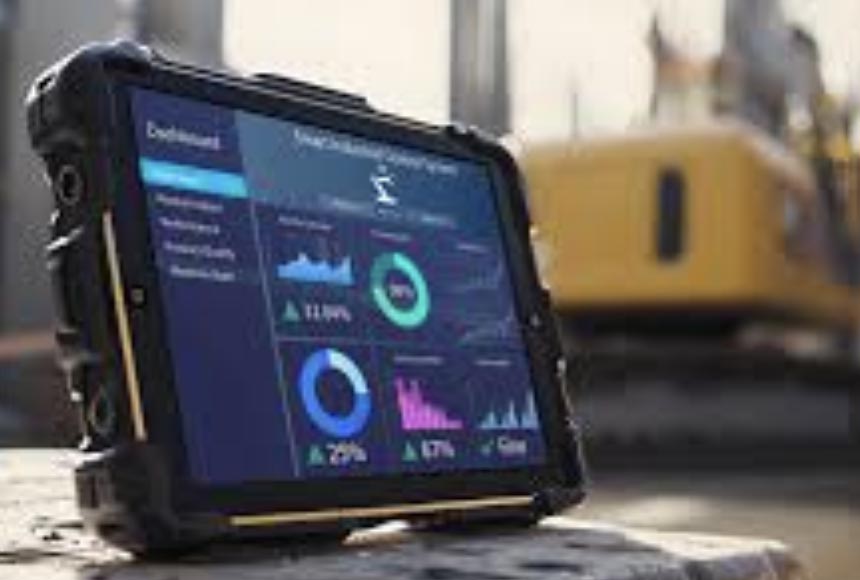
One of the defining advantages of TFT displays in industrial use is their ability to function reliably under challenging environmental conditions. Industrial systems often face temperature extremes, vibration, dust, and humidity that would quickly degrade consumer electronics.
Industrial TFT panels are typically specified to operate across wide temperature ranges, commonly from -20°C up to 70°C or higher. Protective enclosures, reinforced glass, and sealed designs further improve resistance to moisture and airborne contaminants. These characteristics make TFT displays suitable for use in factories, outdoor kiosks, vehicle-mounted terminals, and power substations.
Readability in Diverse Lighting Environments
Industrial displays must remain readable regardless of ambient lighting. Control panels may be installed in brightly lit production halls, near windows exposed to sunlight, or in outdoor locations. TFT displays address this requirement through high brightness backlighting and stable contrast performance.
Many industrial TFT panels offer brightness levels well above typical consumer displays, ensuring clear visibility even in direct or reflected sunlight. Combined with anti-glare coatings and optimized viewing angles, this allows operators to read information quickly and accurately, reducing the risk of operational errors.
Stable Image Quality for Long-Term Use
In industrial applications, the user interface often remains static for extended periods. Status indicators, control buttons, and monitoring dashboards may stay on screen for hours or days without change. TFT displays handle this usage pattern well, as they are far less susceptible to permanent image retention compared to self-emissive display technologies.
This stability is especially important in applications such as industrial HMIs, medical equipment, and transportation control systems, where consistent visual output over many years is expected. TFT technology provides predictable image behavior without the risk of degradation caused by static content.
Compatibility with Embedded Platforms
Another reason TFT displays remain dominant in industrial systems is their strong compatibility with embedded processors and single-board computers. TFT panels are available with a wide range of interface options, including RGB, LVDS, eDP, and MIPI-DSI, making them easy to integrate with common industrial SoCs.
This flexibility allows system designers to choose displays that match both performance requirements and hardware constraints. Whether the application requires a compact screen for a handheld controller or a larger panel for a wall-mounted interface, TFT displays offer scalable solutions without requiring complex custom electronics.
Predictable Power Consumption and Thermal Behavior
Power efficiency is an important consideration in industrial systems, particularly for fanless designs or equipment operating in sealed enclosures. TFT displays provide stable and predictable power consumption characteristics, which simplifies system-level thermal design.
Because TFT panels rely on controlled backlighting rather than per-pixel emission, their power usage remains consistent across different types of content. This predictability helps engineers design reliable power supplies and cooling solutions, especially in systems that must operate continuously or in remote locations.
Long-Term Availability and Lifecycle Support
Industrial projects often have product lifecycles measured in years rather than months. Once a system is deployed, replacing core components such as displays can be costly and disruptive. TFT displays benefit from mature manufacturing processes and long-term availability programs that align well with industrial requirements.
Many TFT panel suppliers offer extended production guarantees and stable specifications, allowing manufacturers to maintain compatibility across multiple product generations. This reduces redesign effort and ensures consistent performance throughout the lifecycle of the equipment.
Common Industrial Use Scenarios
TFT displays are widely used across a broad range of industrial applications. In manufacturing, they serve as operator interfaces for machinery, production lines, and inspection systems. In transportation, they appear in vehicle dashboards, signaling equipment, and passenger information systems. Energy and utility sectors rely on TFT panels for monitoring, diagnostics, and control interfaces in substations and control rooms.
Healthcare equipment, such as patient monitors and diagnostic devices, also benefits from TFT technology due to its stable image quality and resistance to burn-in. Across these varied use cases, the common requirement is reliability rather than visual novelty.
Why TFT Remains a Practical Choice
While newer display technologies continue to evolve, TFT displays maintain a strong position in industrial design because they solve real-world problems effectively. Their balance of durability, readability, integration flexibility, and lifecycle stability makes them a dependable choice for engineers designing systems that must perform consistently over time.
Rather than chasing the latest display trends, industrial designers often prioritize proven solutions. TFT display technology exemplifies this approach, offering dependable performance that aligns with the operational realities of industrial environments.